h_i.a_p.
h_i.a_p.
ee portal portfolio
love notes for Myths

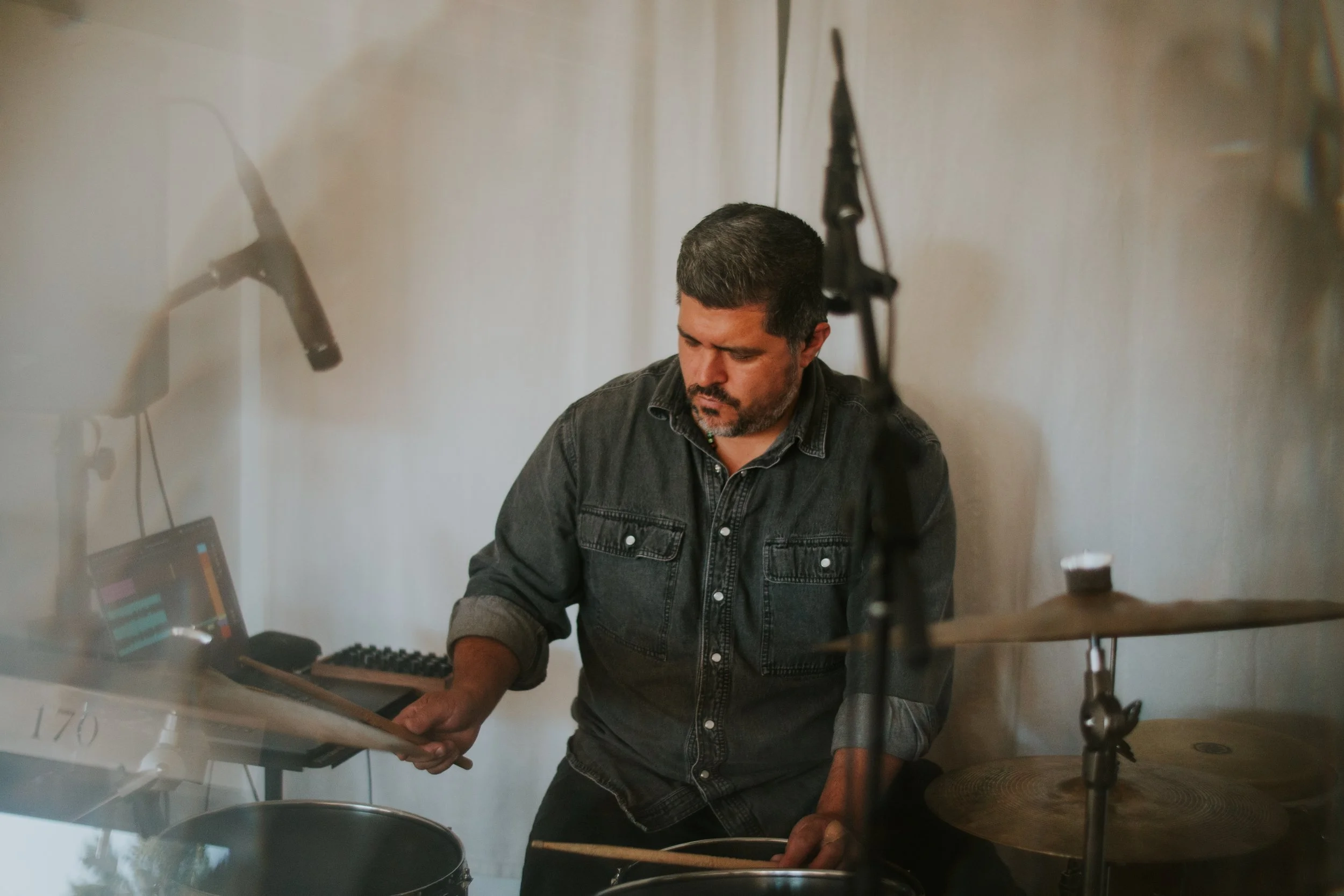
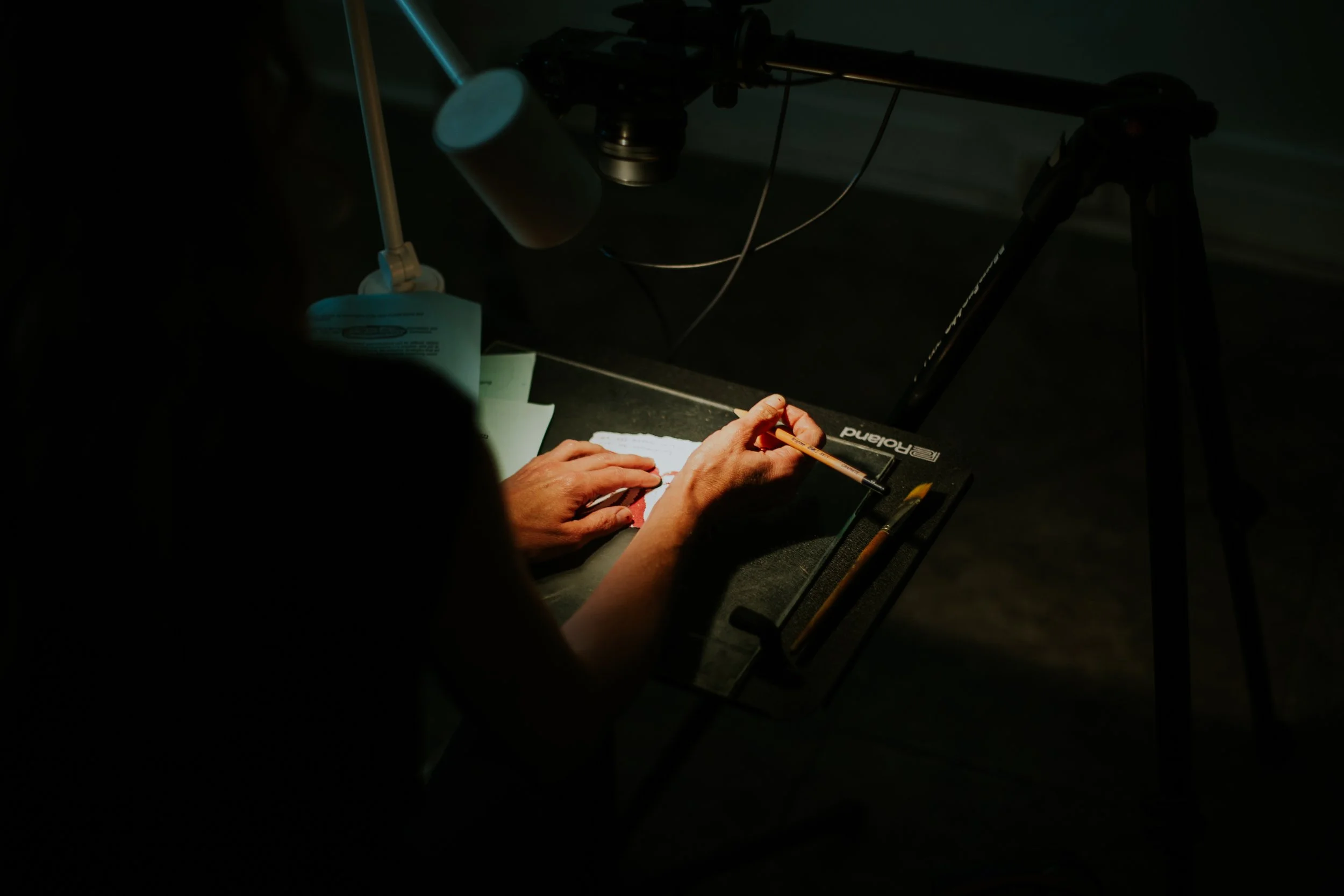
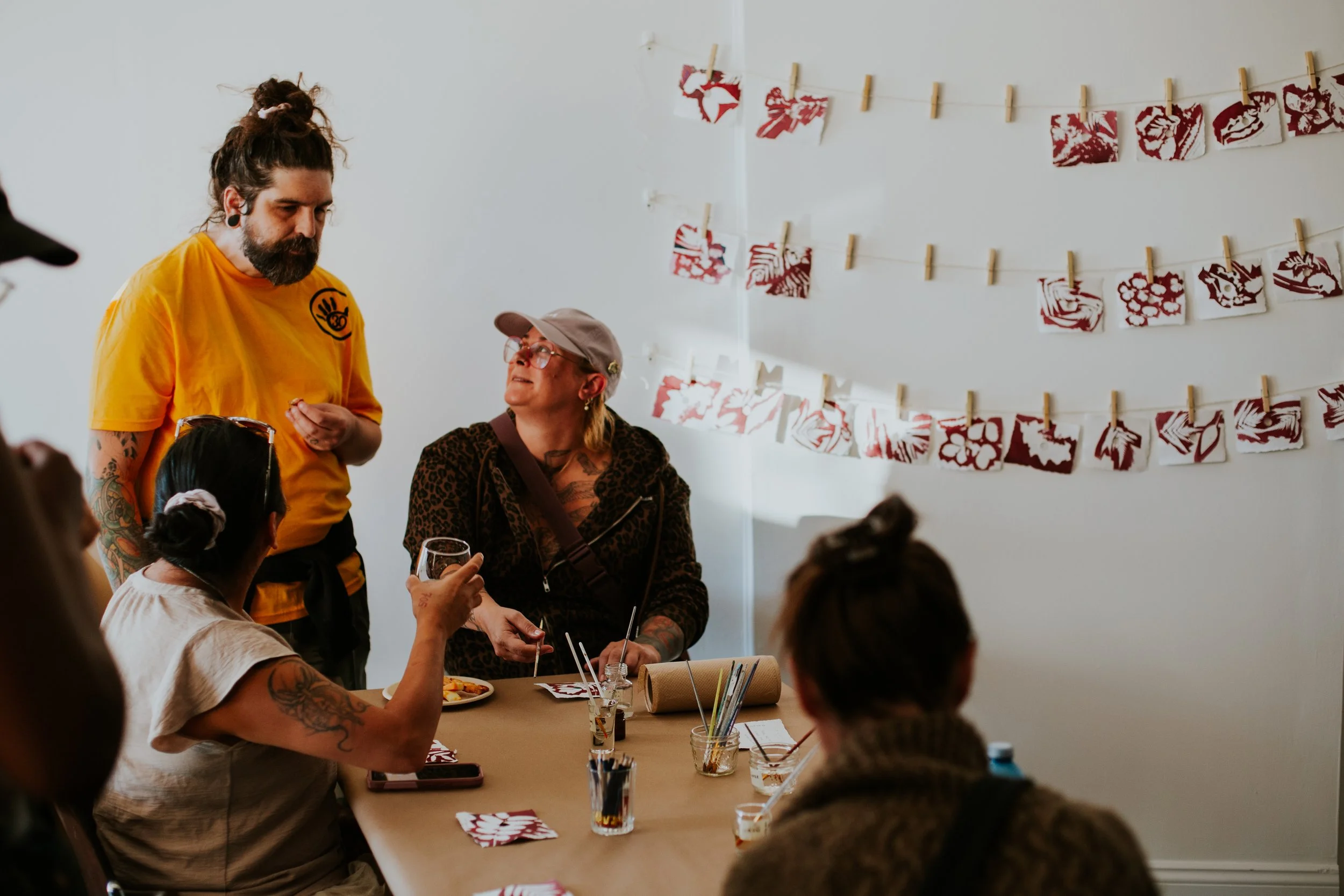
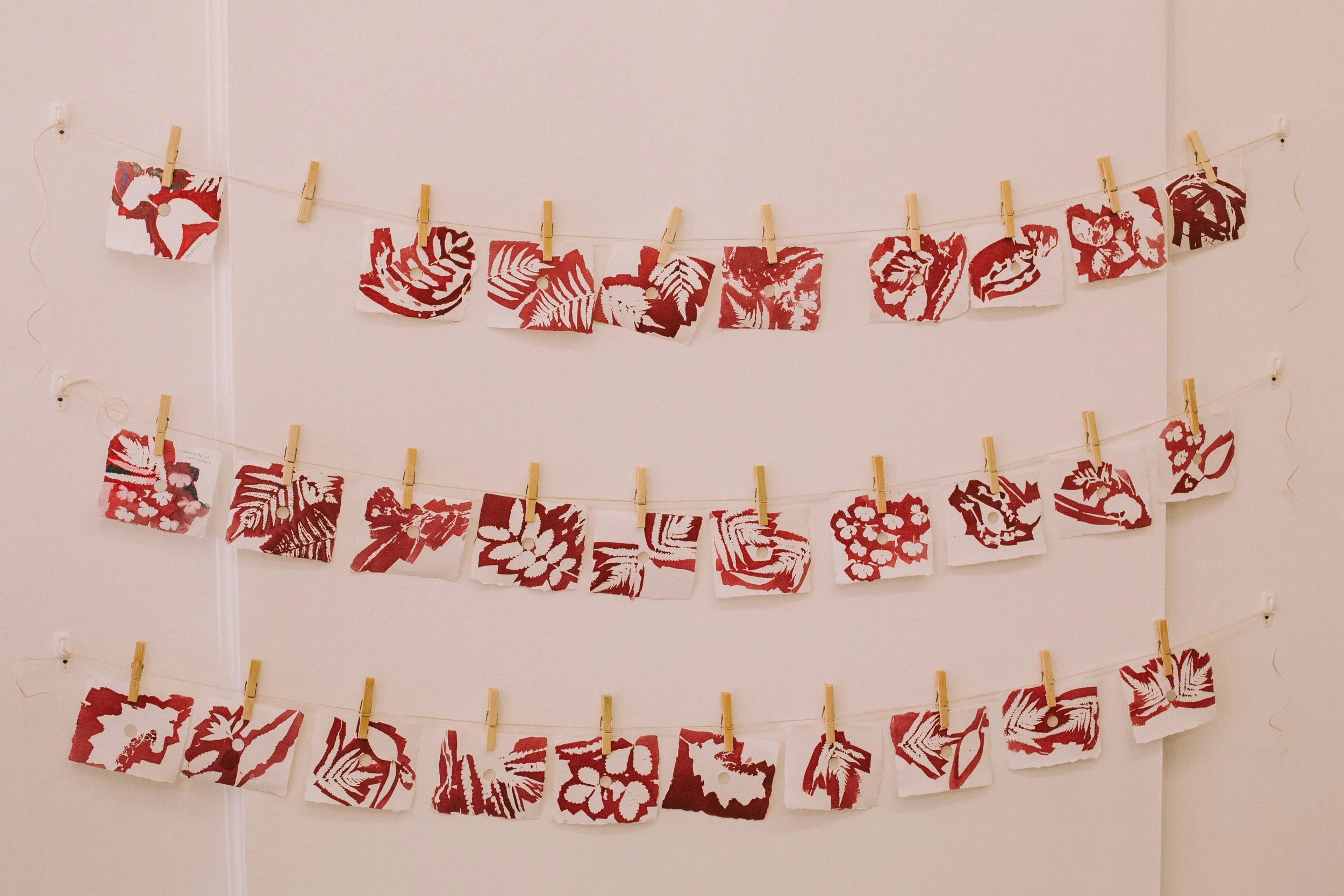
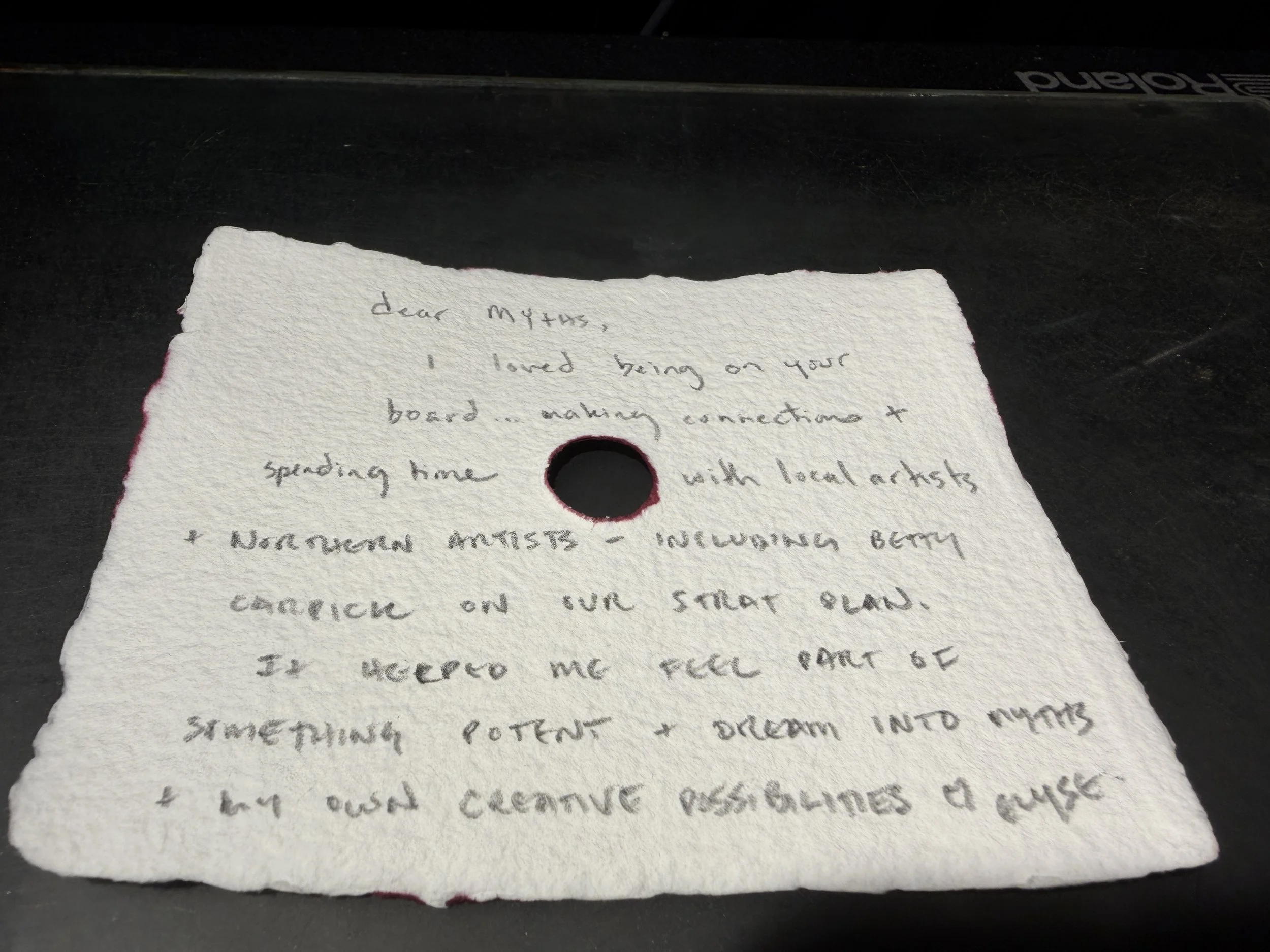
love notes for Myths.
performance. Art Gallery of Sudbury. Myths & Mirrors 30th Anniversary Celebration. 2026.
-
Celebrating Myths and Mirrors Community Arts - 30th - one of the oldest community engaged arts organizations in Canada
Here, we were drawing on words made in collaboration with Cree/Ukrainian artist, Betty Carpick, together with a letter of support by Elyse Portal to secure a 3 year Canada Council grant to expand socially engaged arts within vulnerable communities, and to research the arts impacts on personal and community resilience.
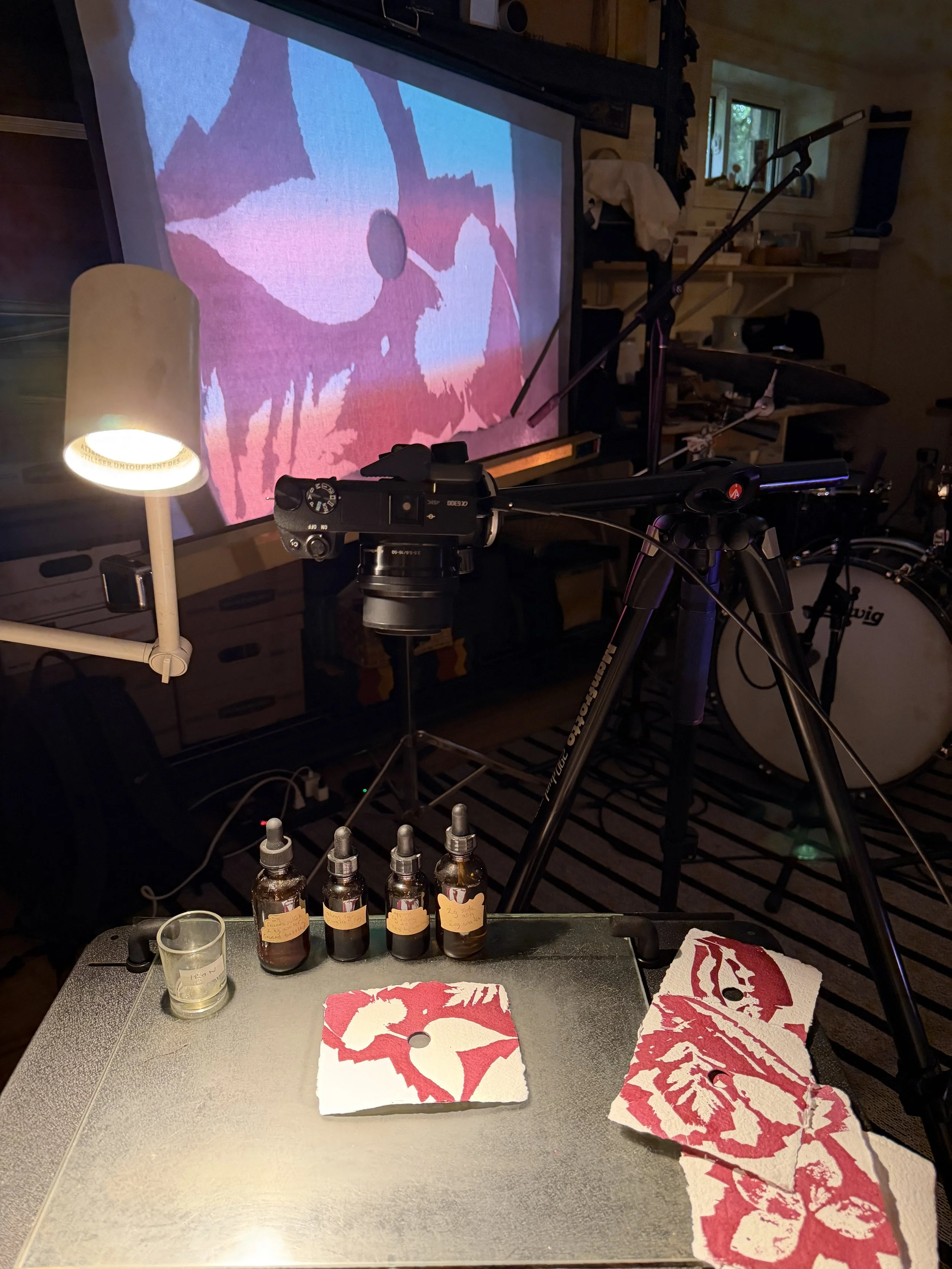
Sound art was remixed She is Awakening - a field recordings project from Sudbury and around the world - during the height of covid.
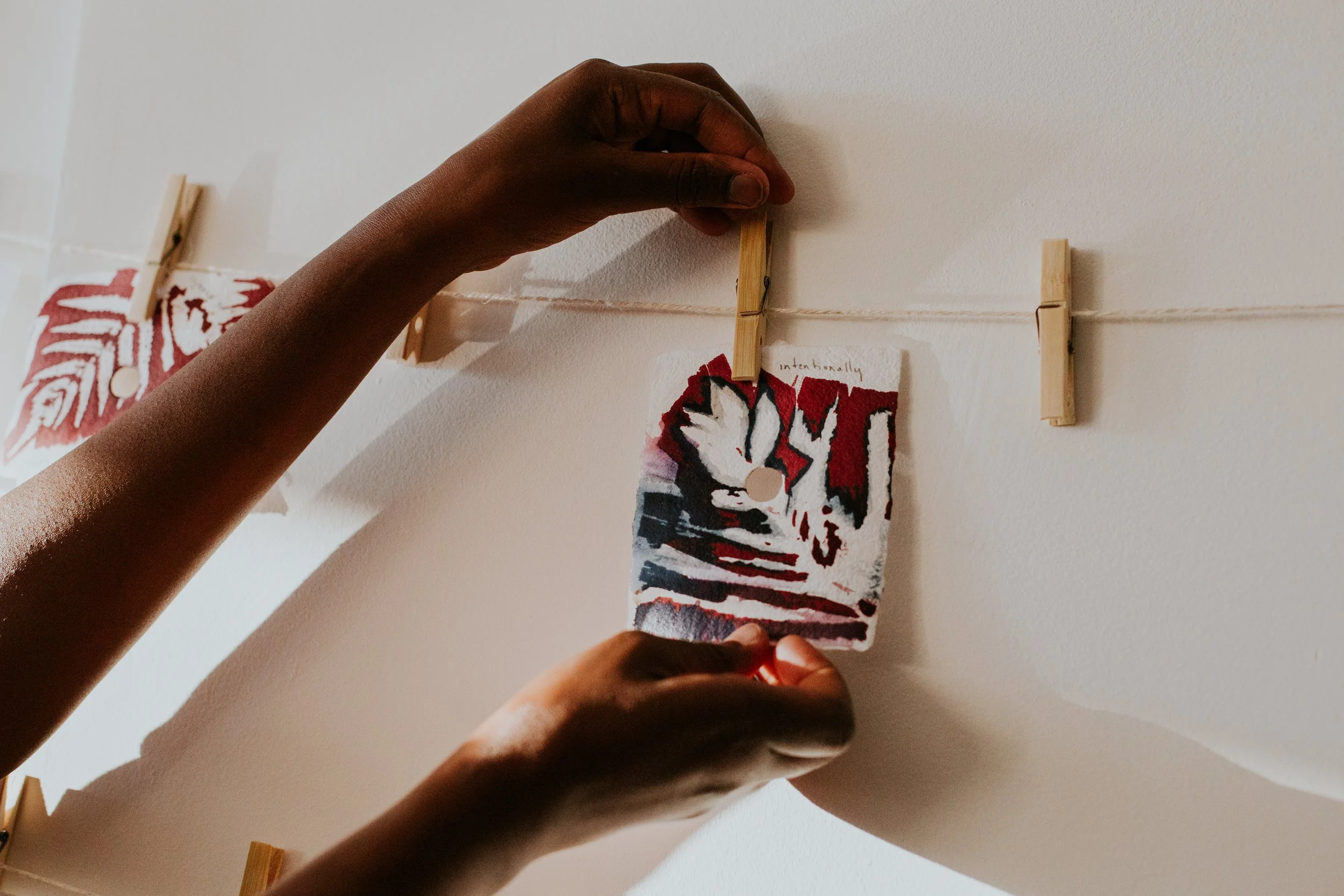
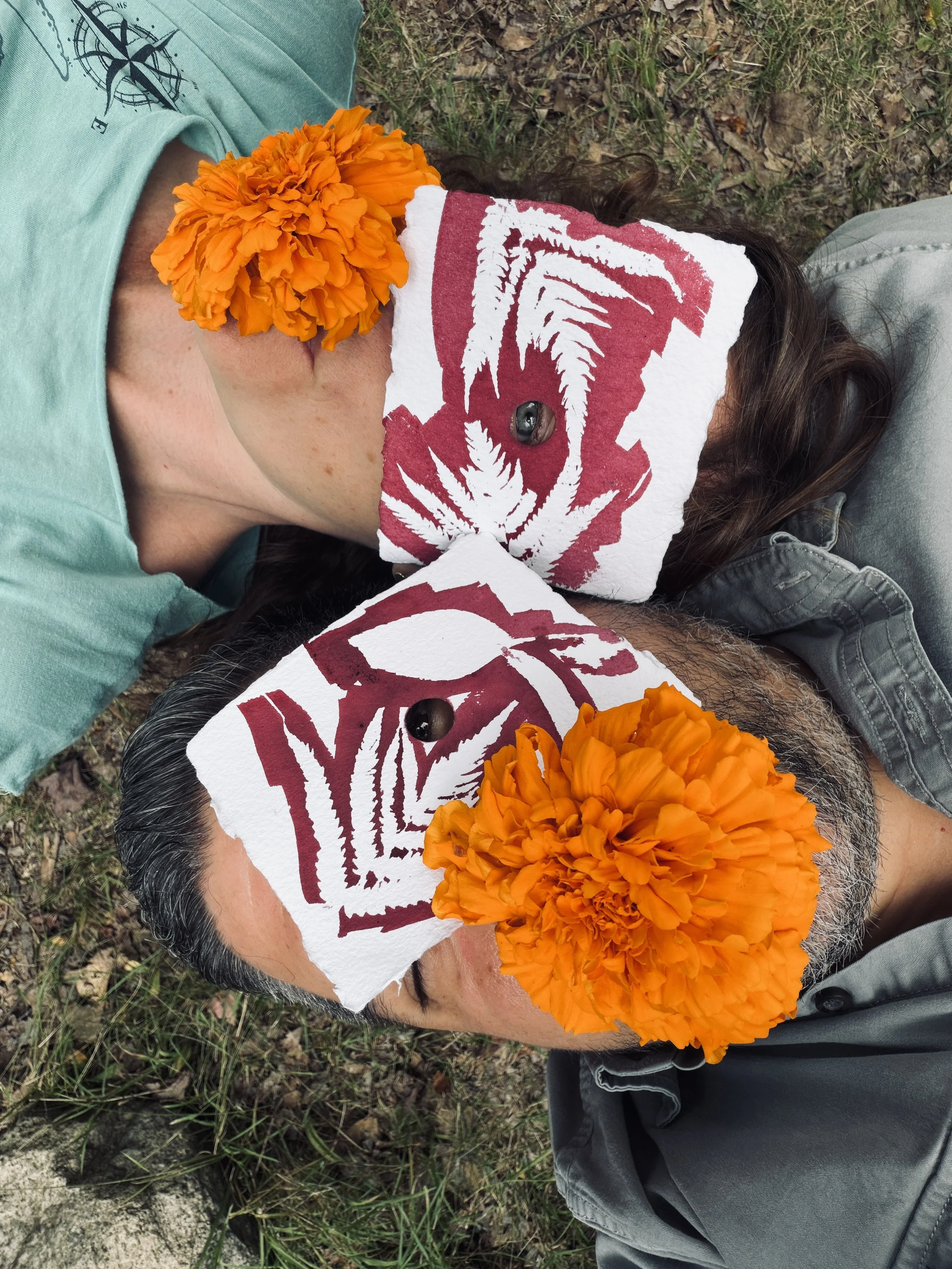
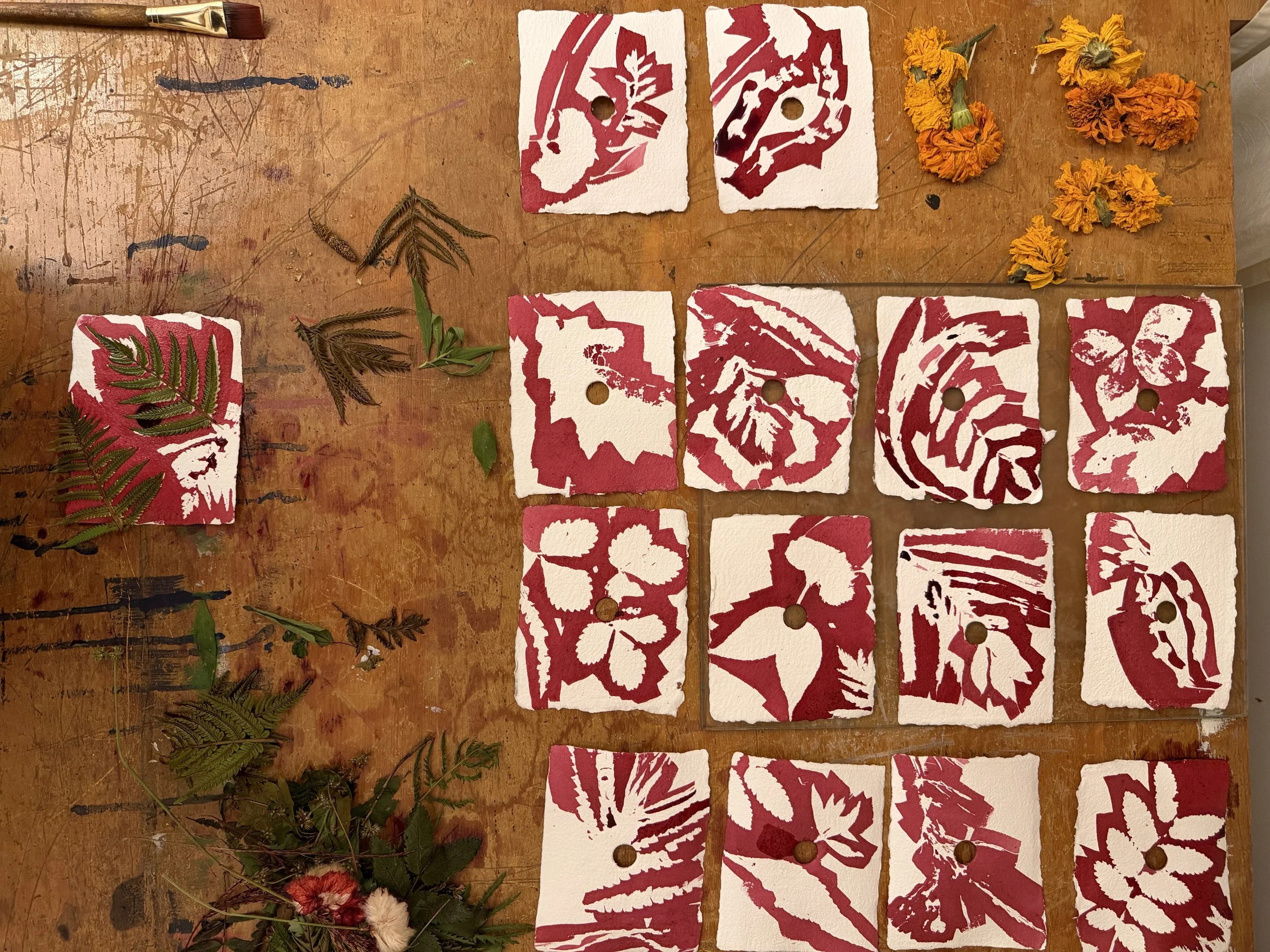
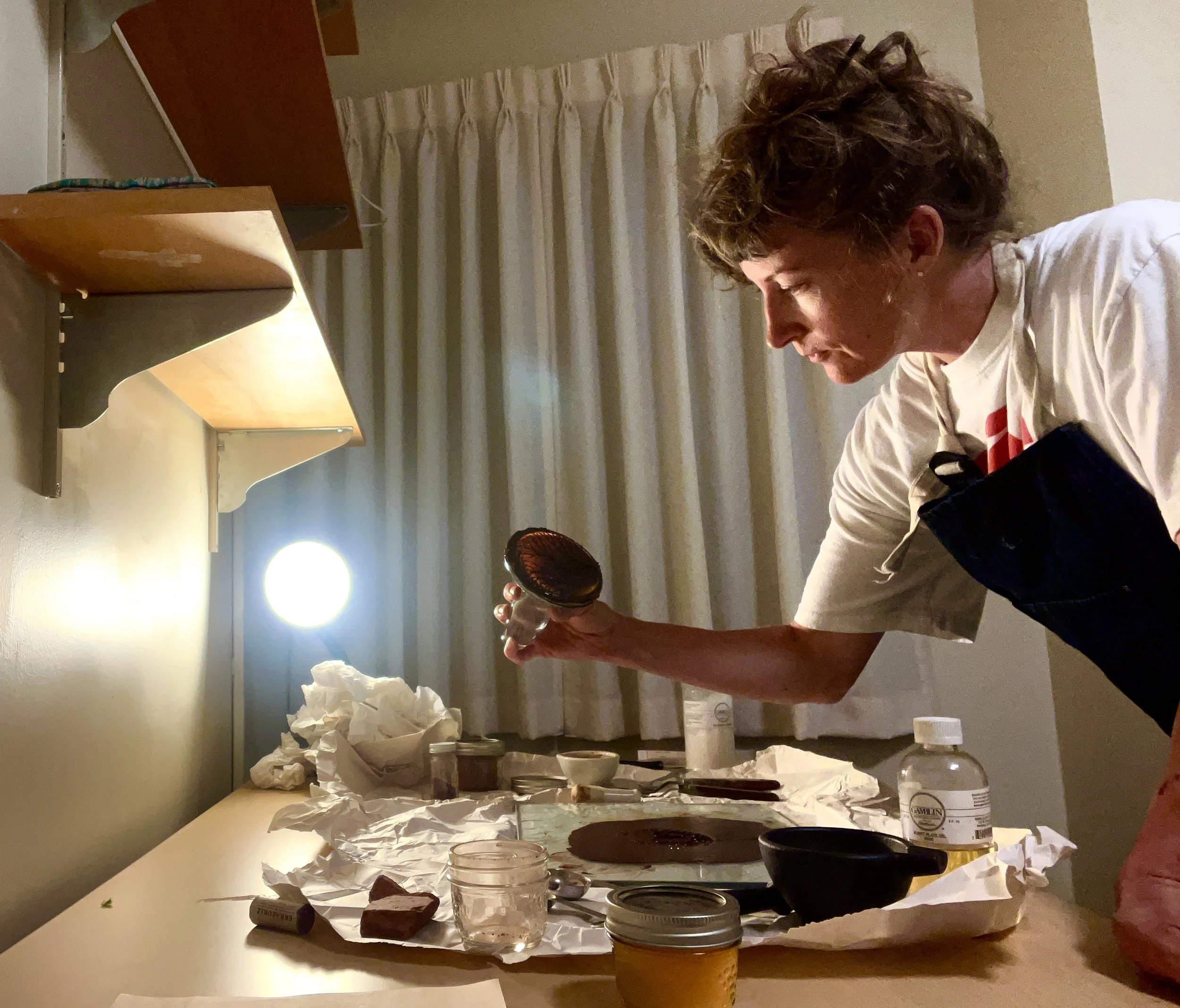
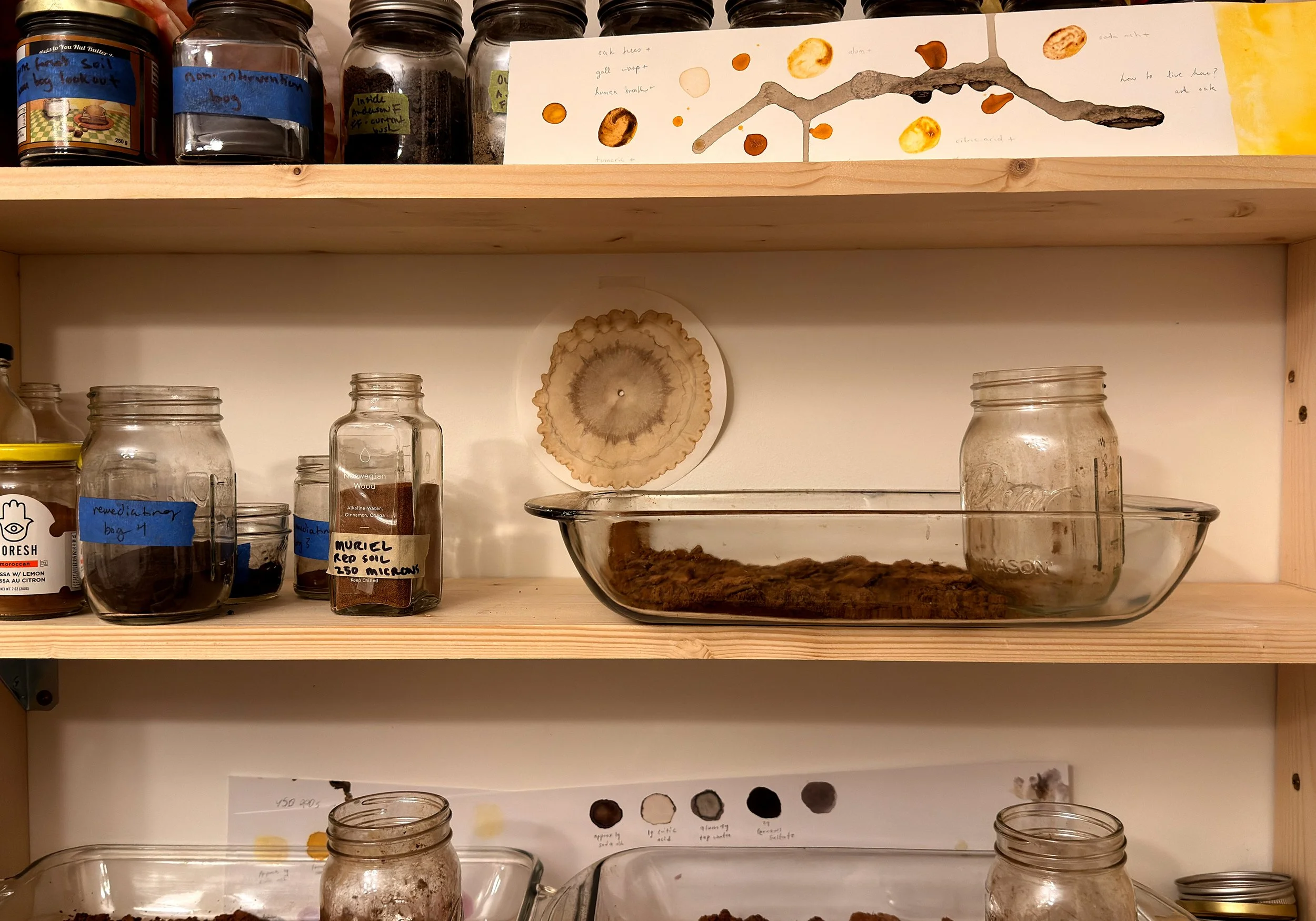
Ink made from aronia, which is both medicinal and sensitive to pH, was used to create prints of local plants, which participants could then modify with words and other alchemical modifiers.
sounds are pigments are places
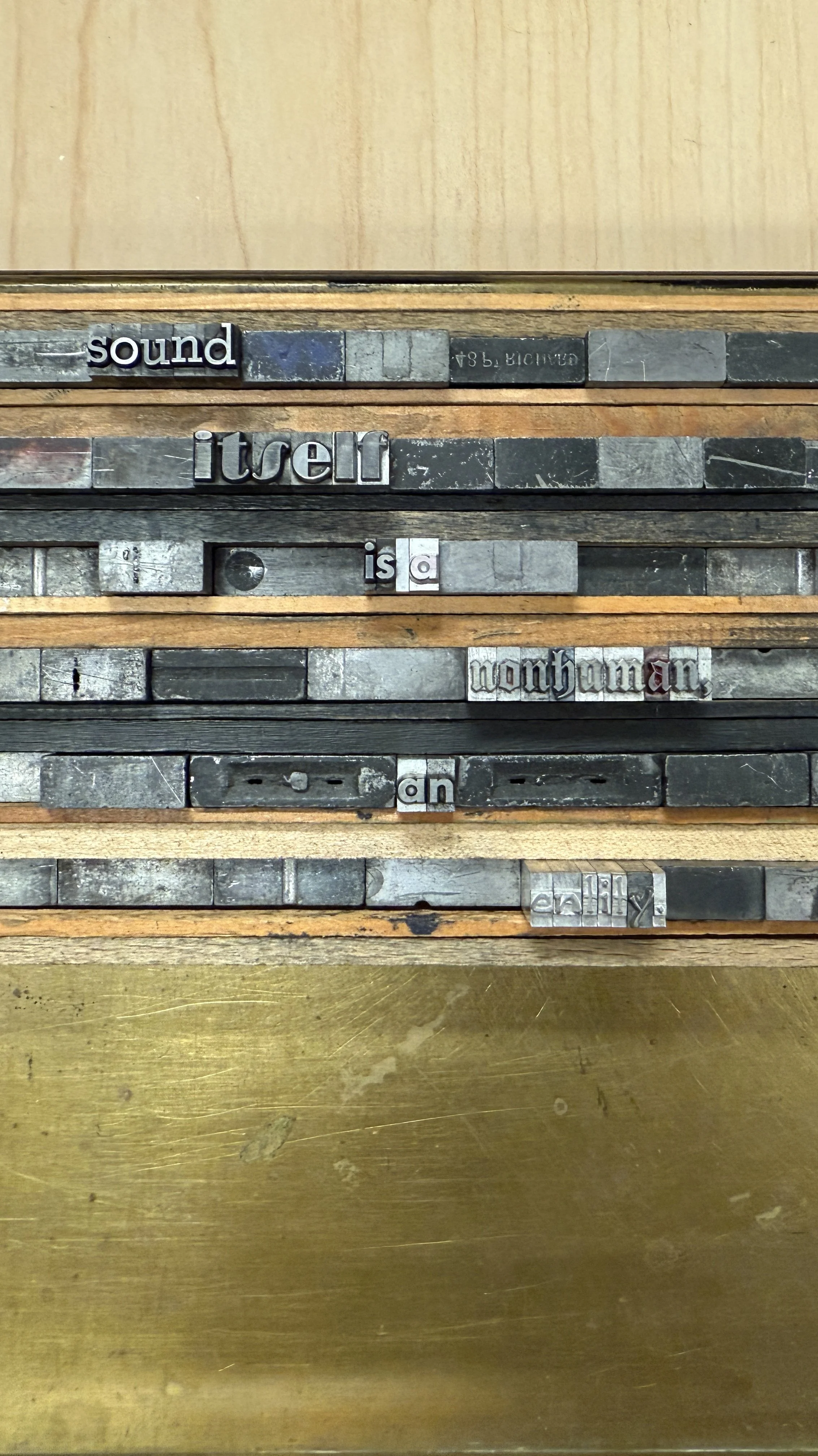
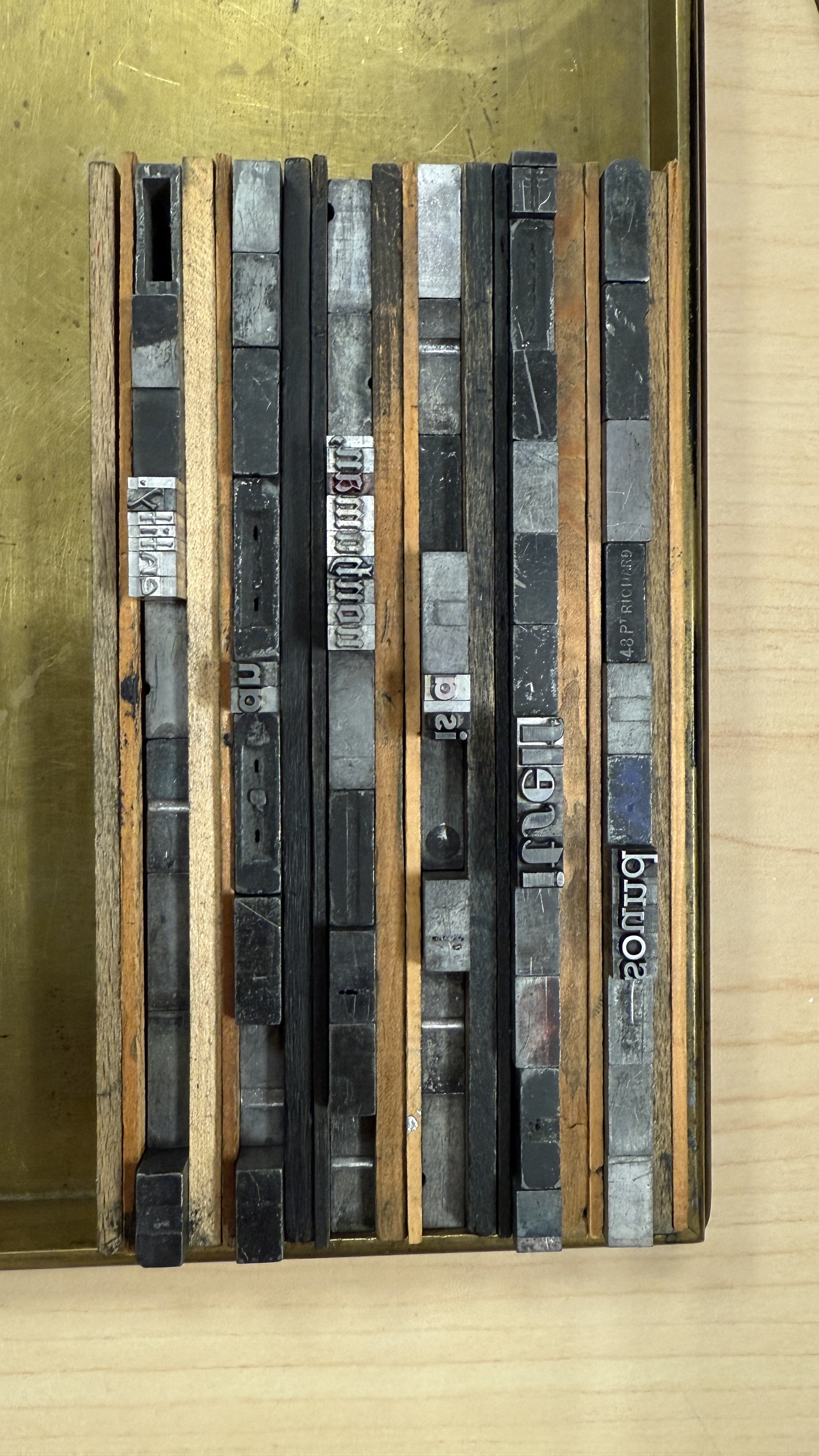
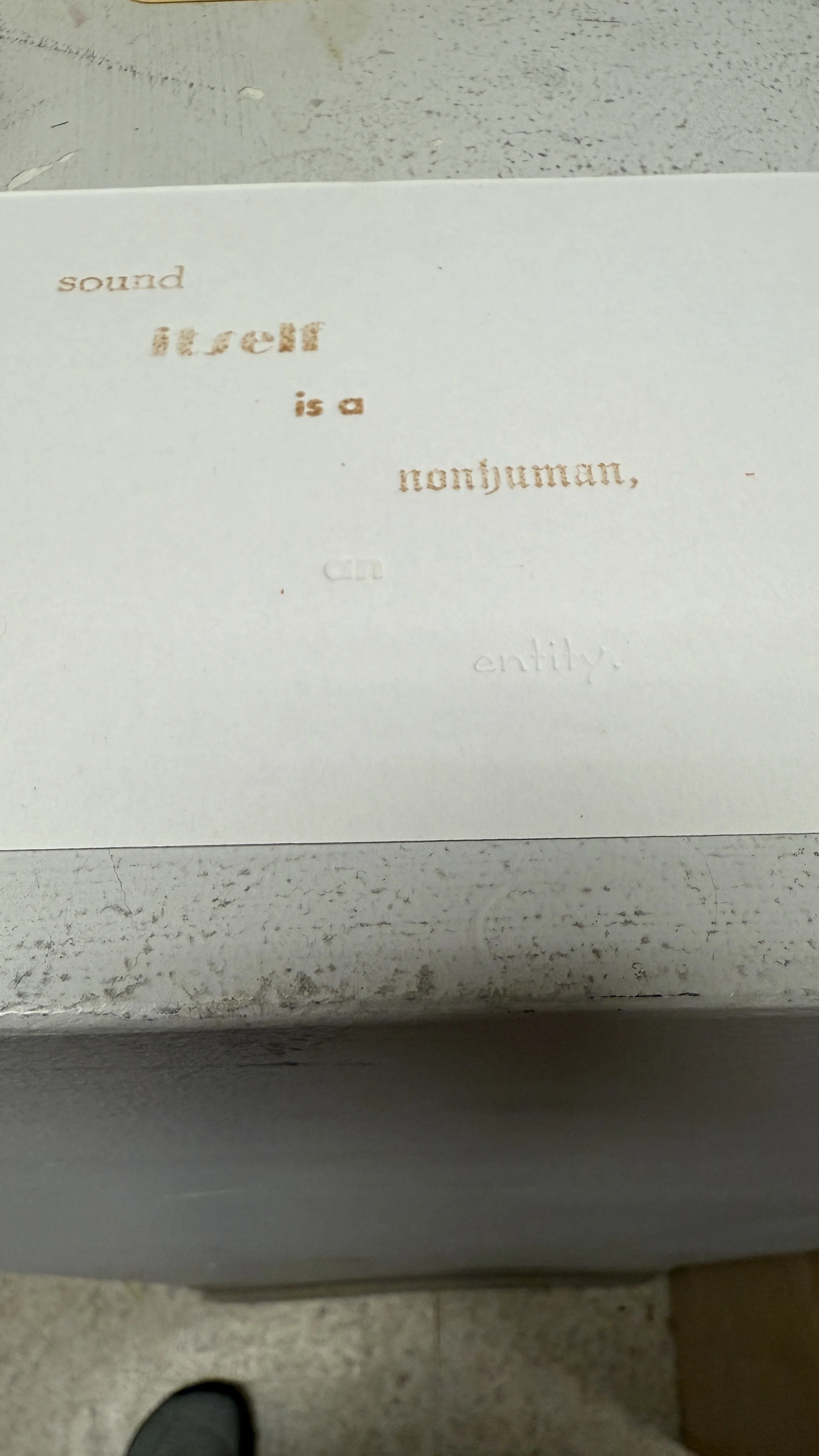
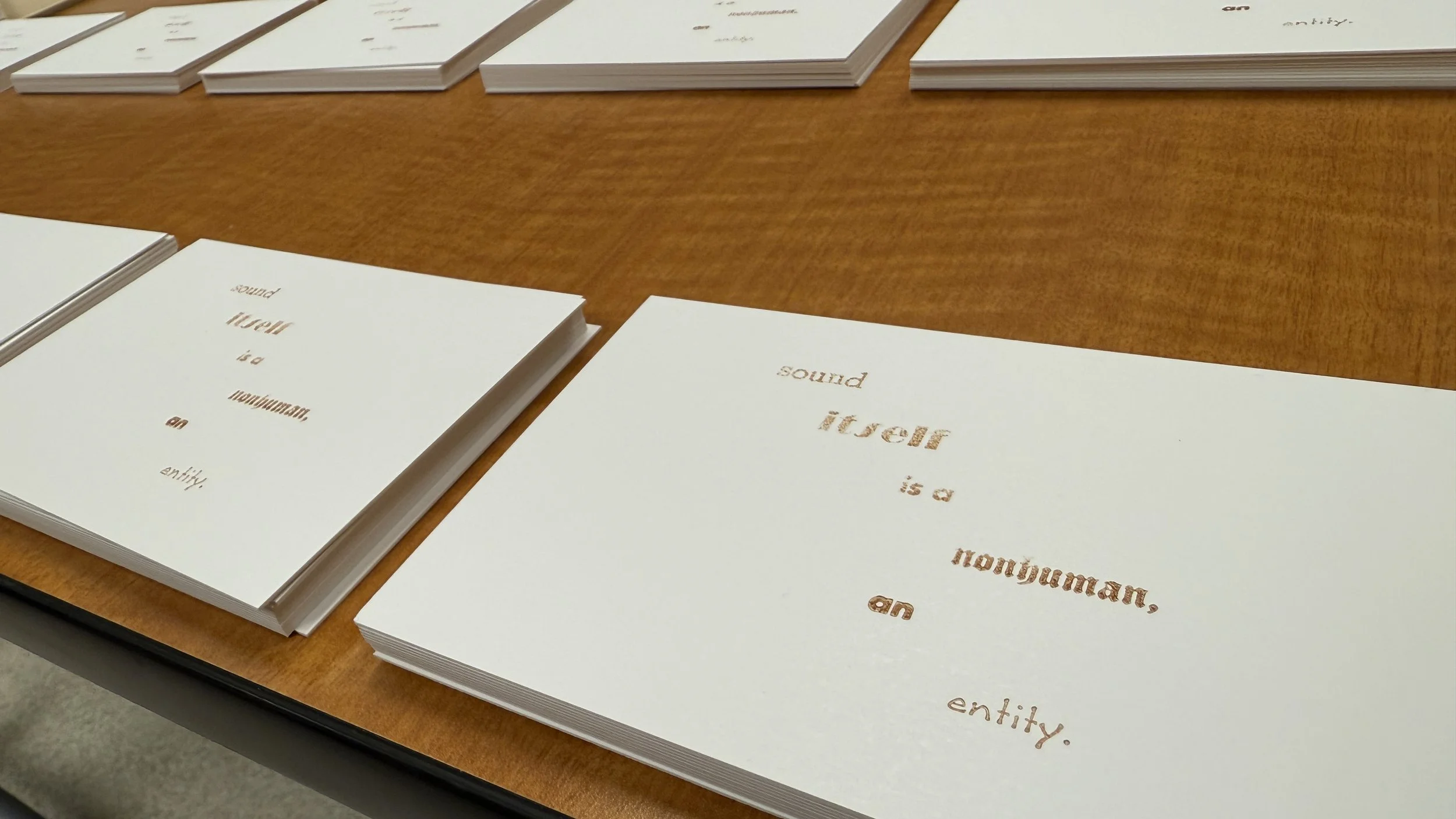
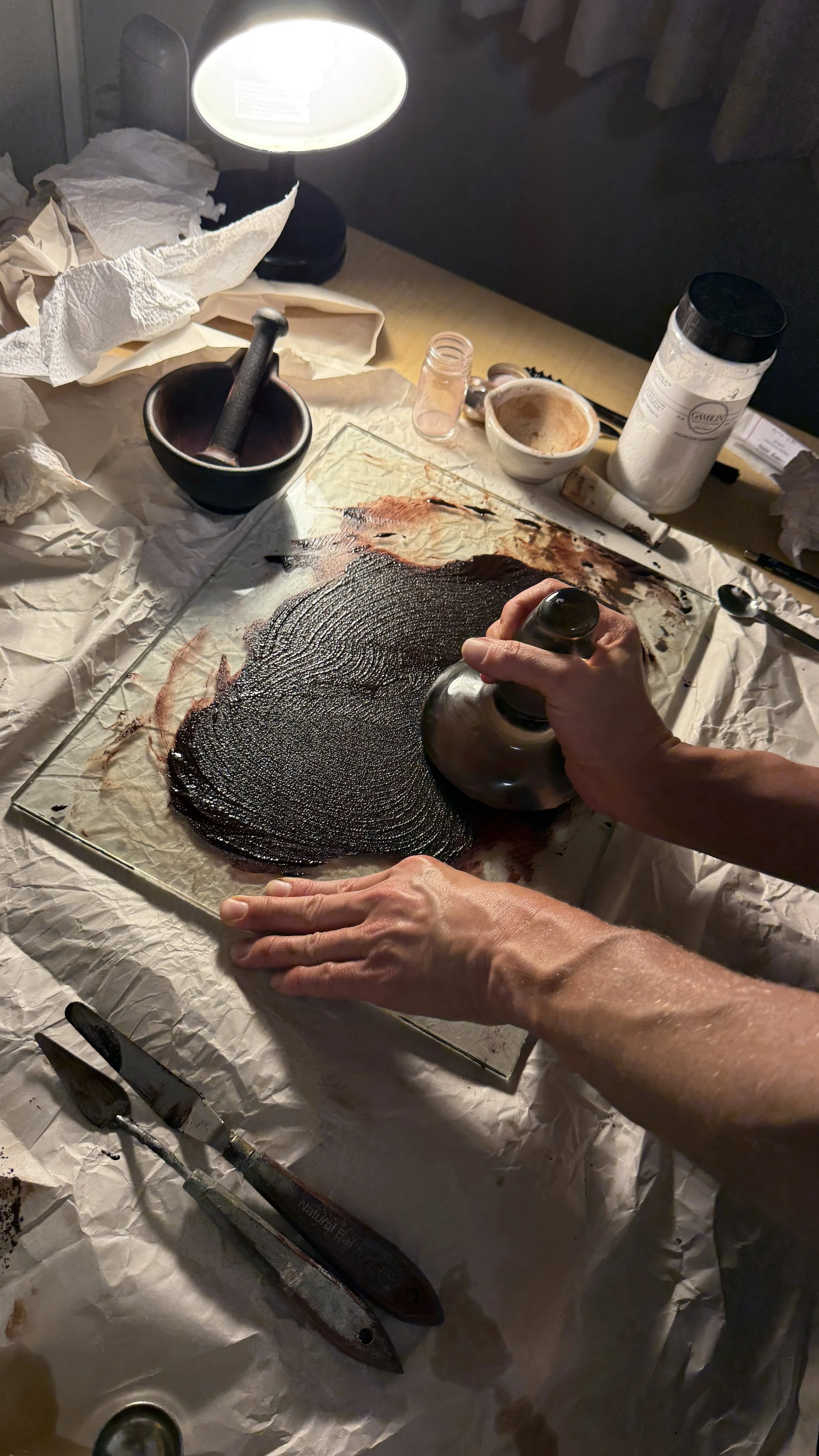
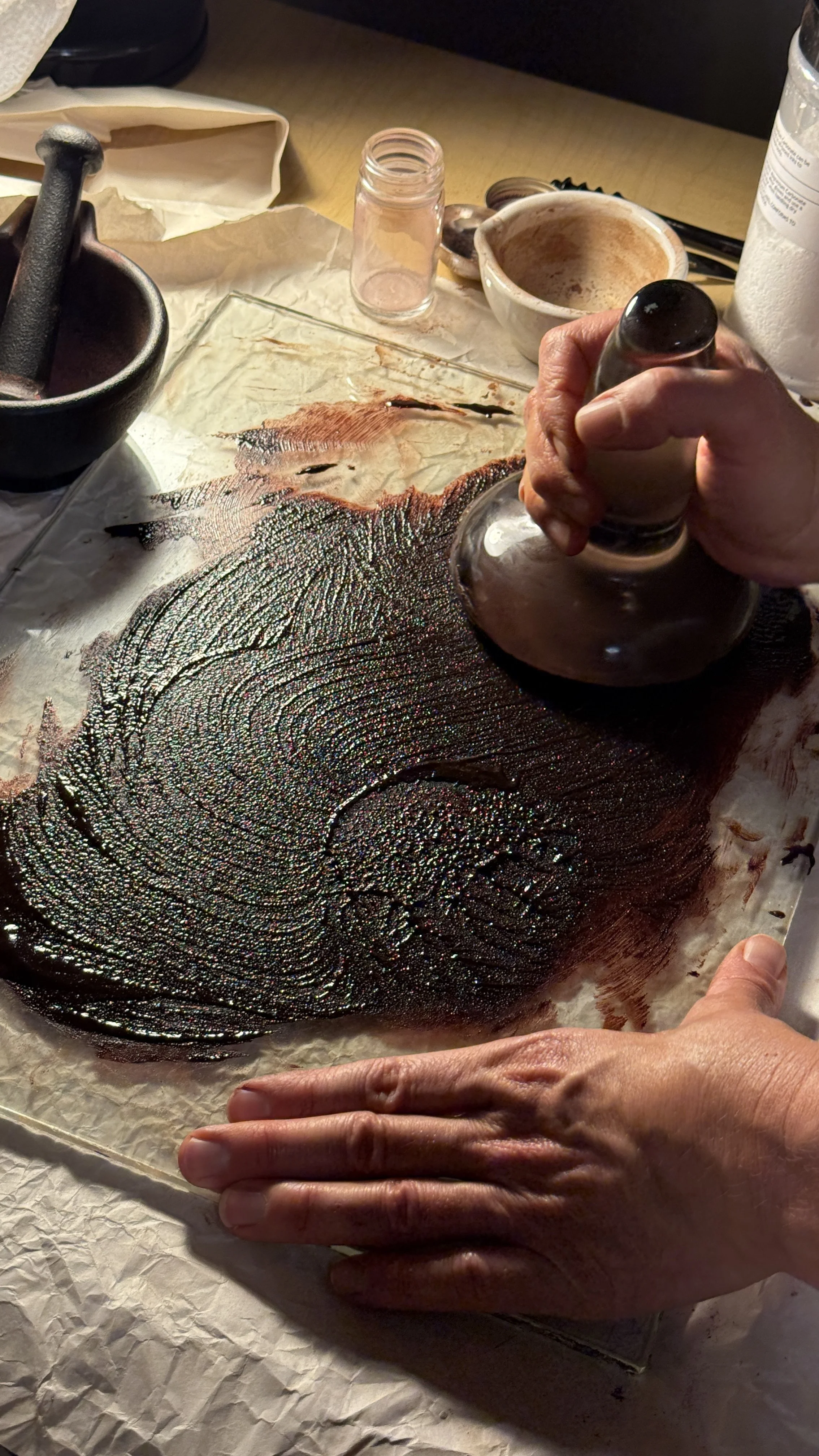
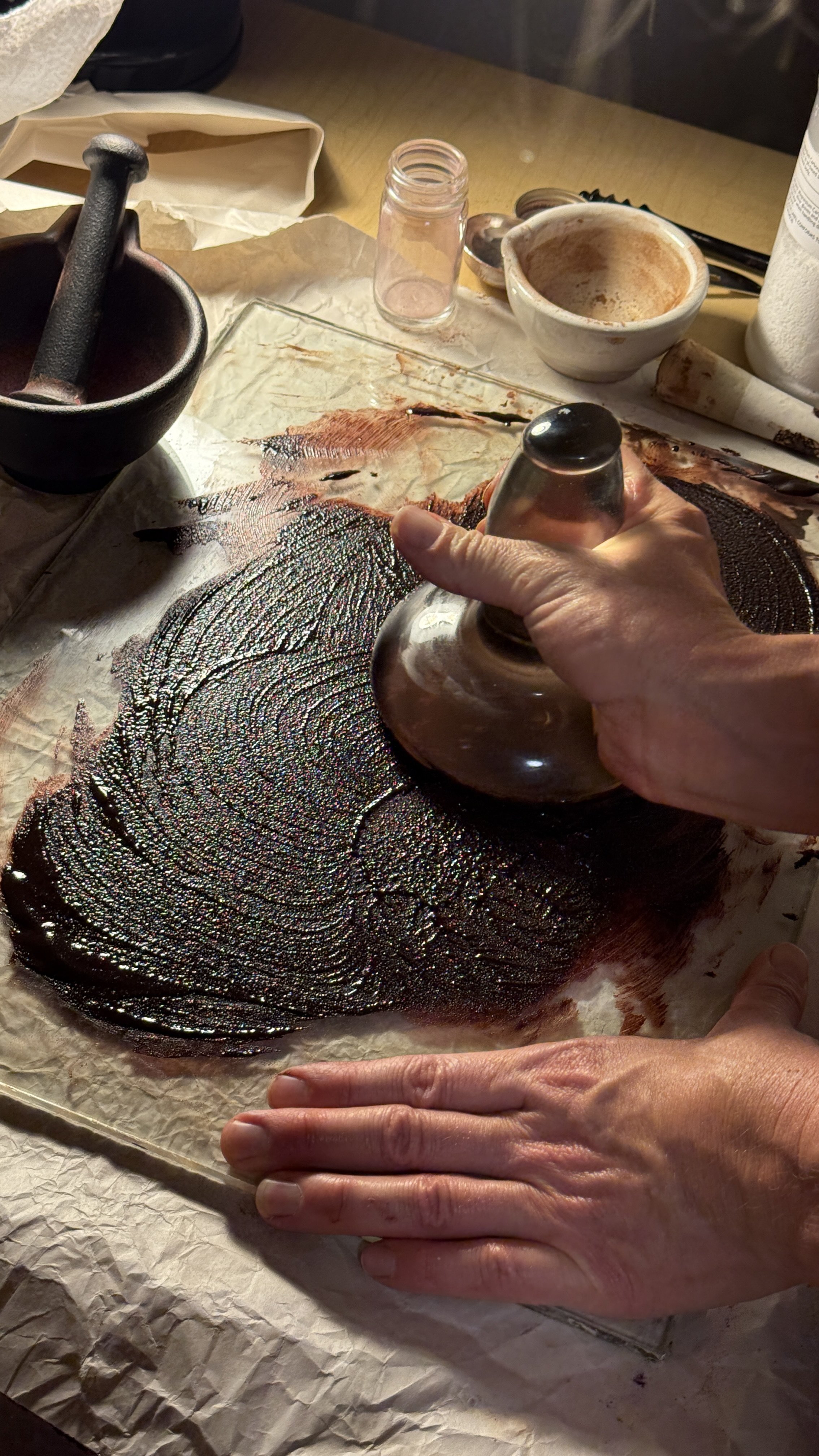
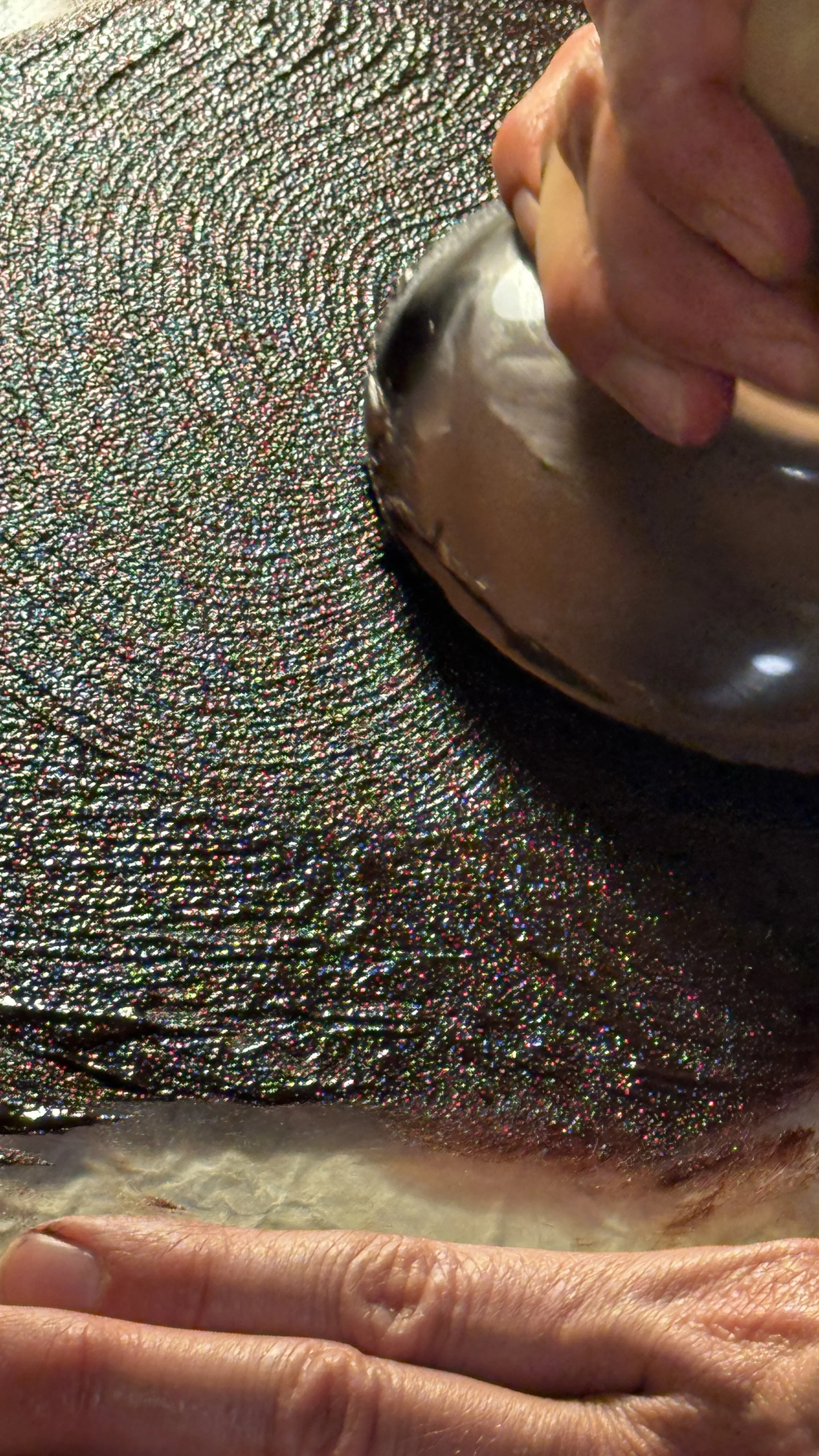
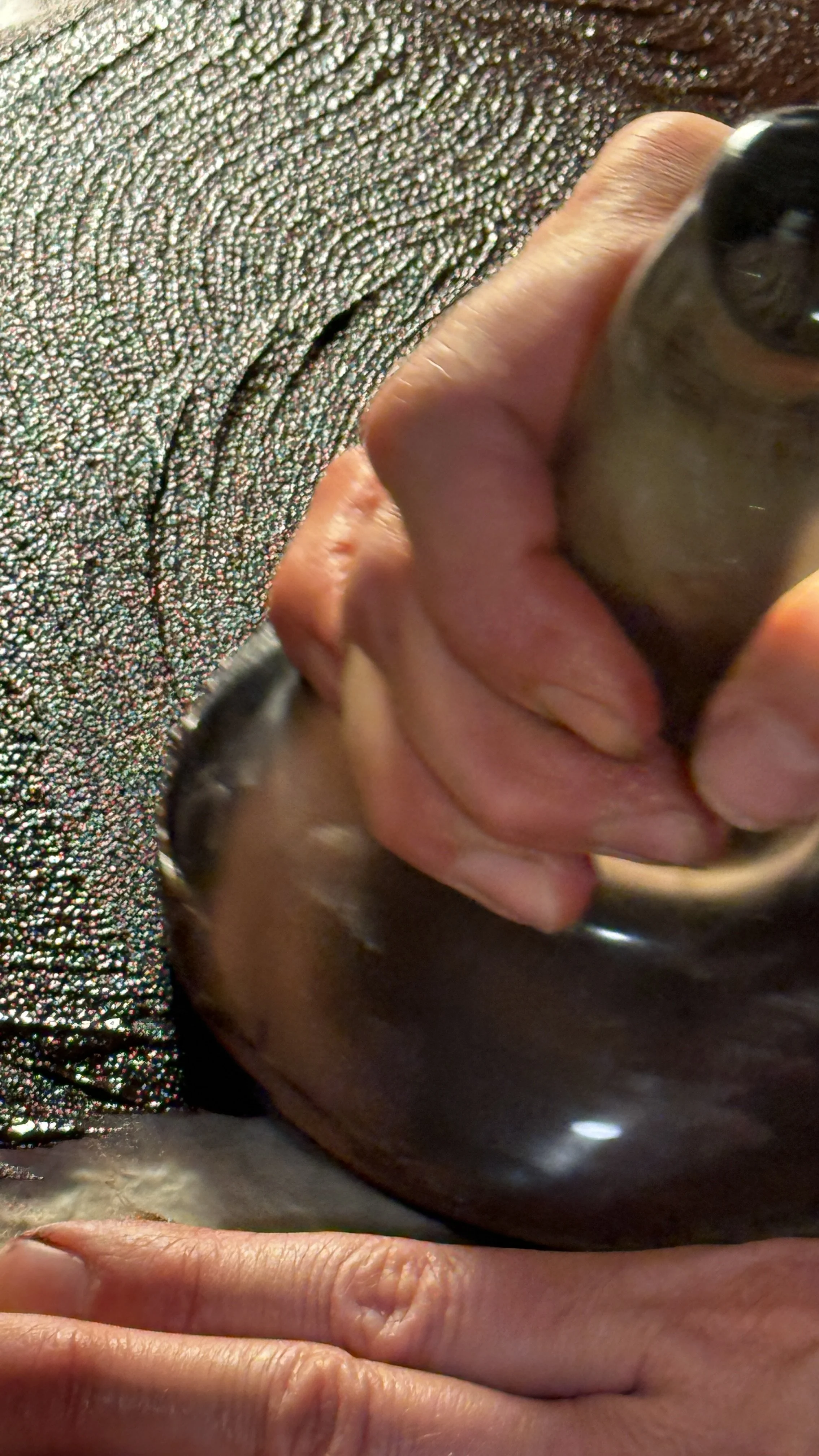
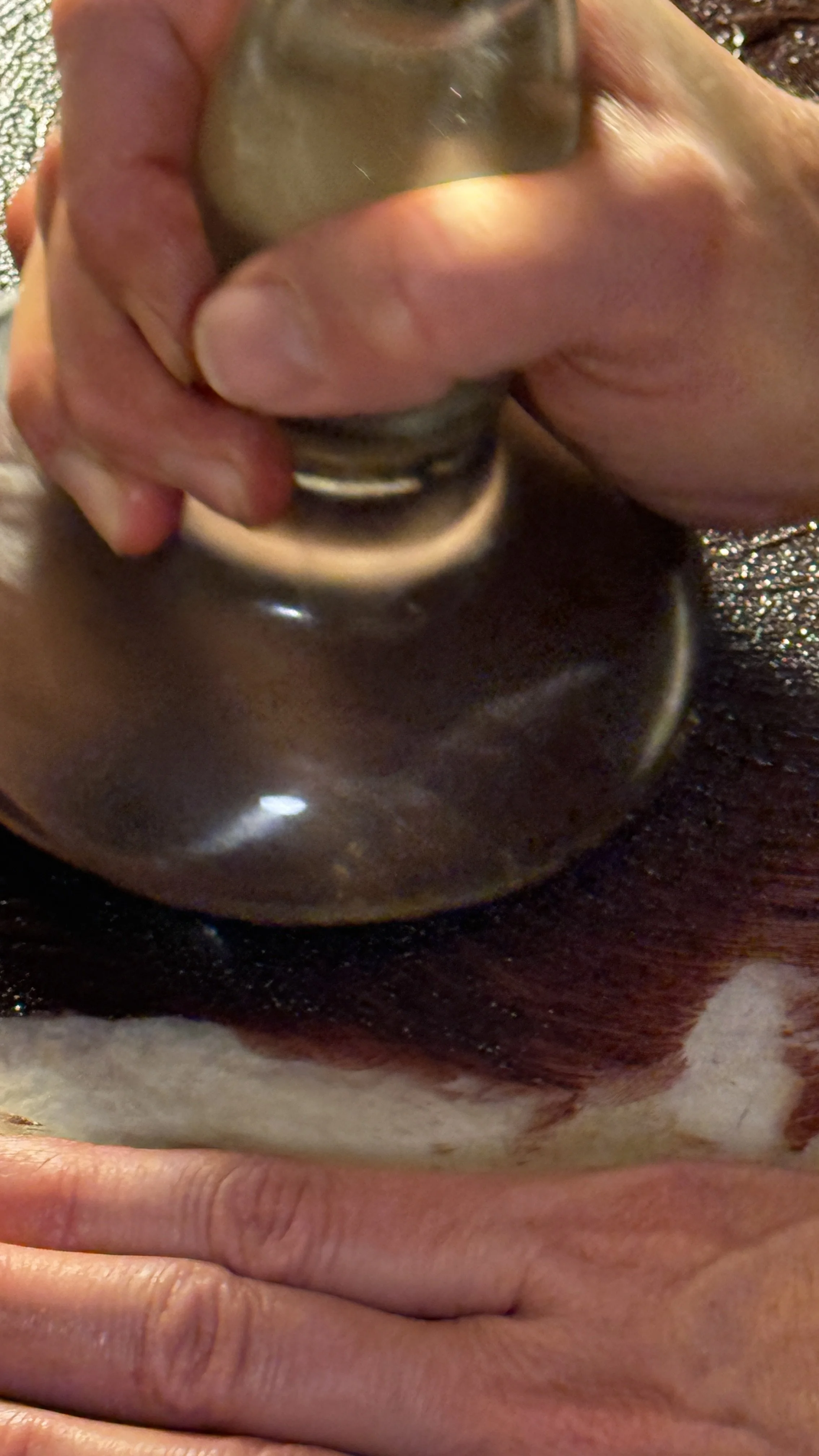
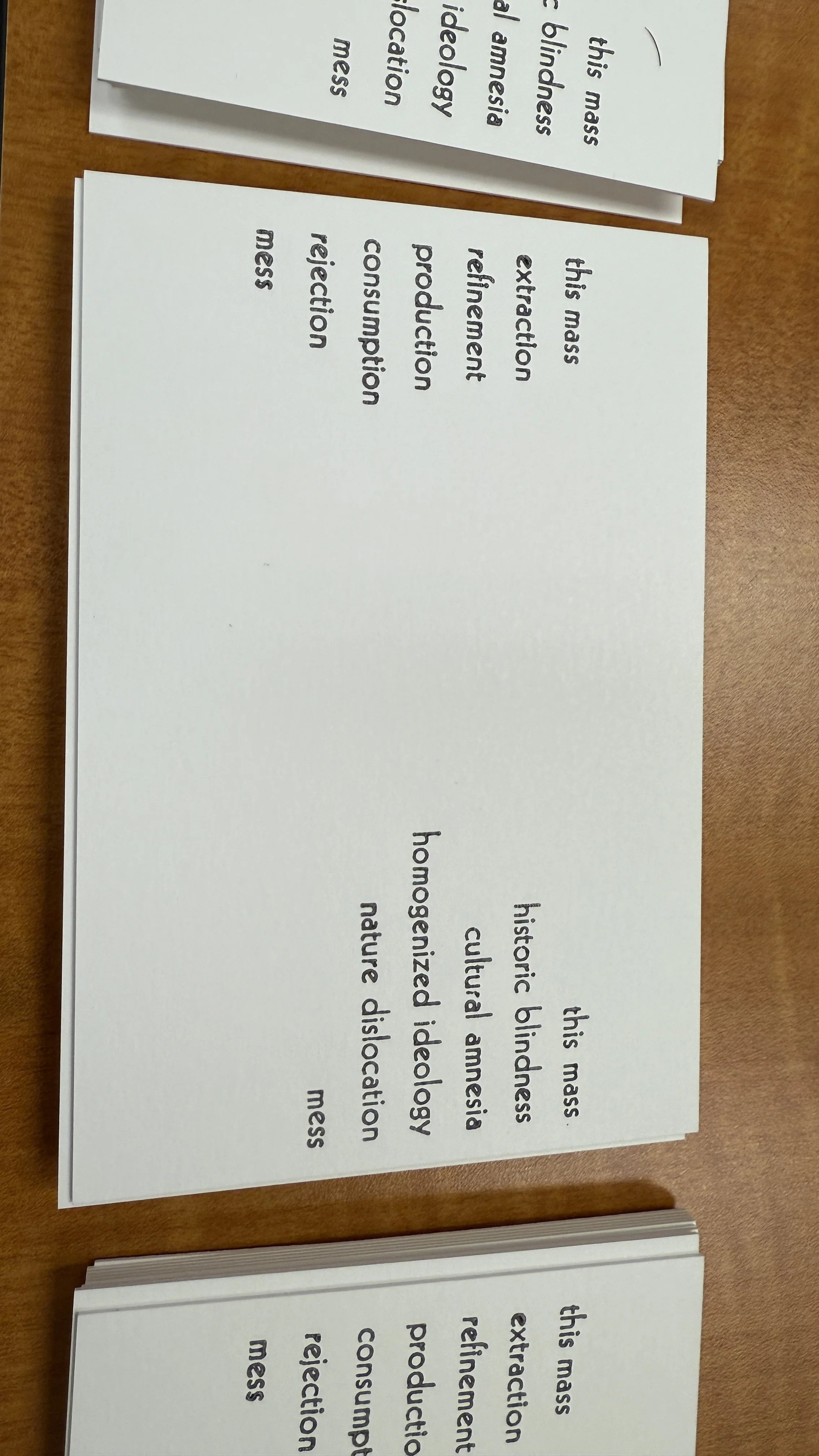
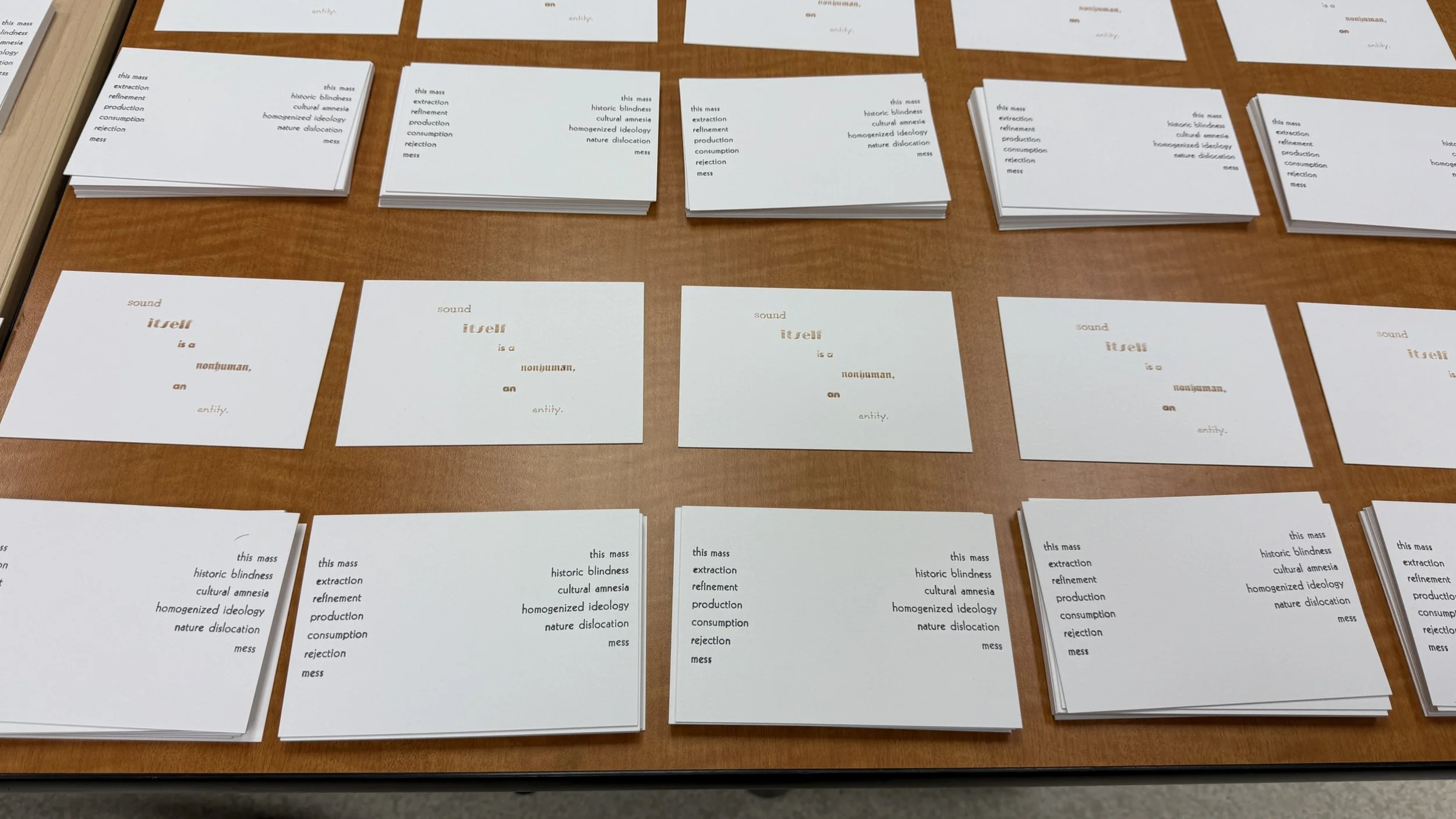
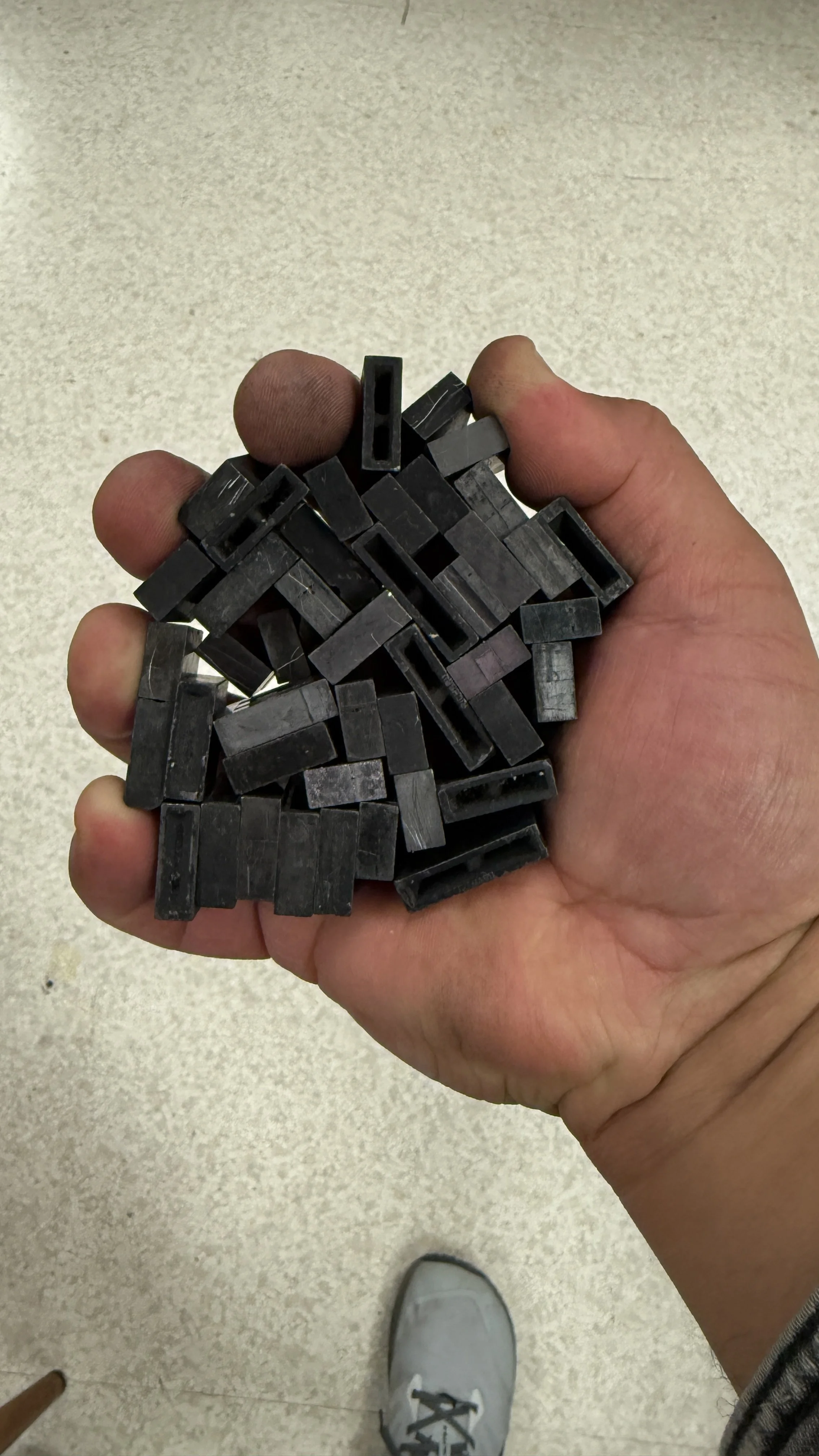
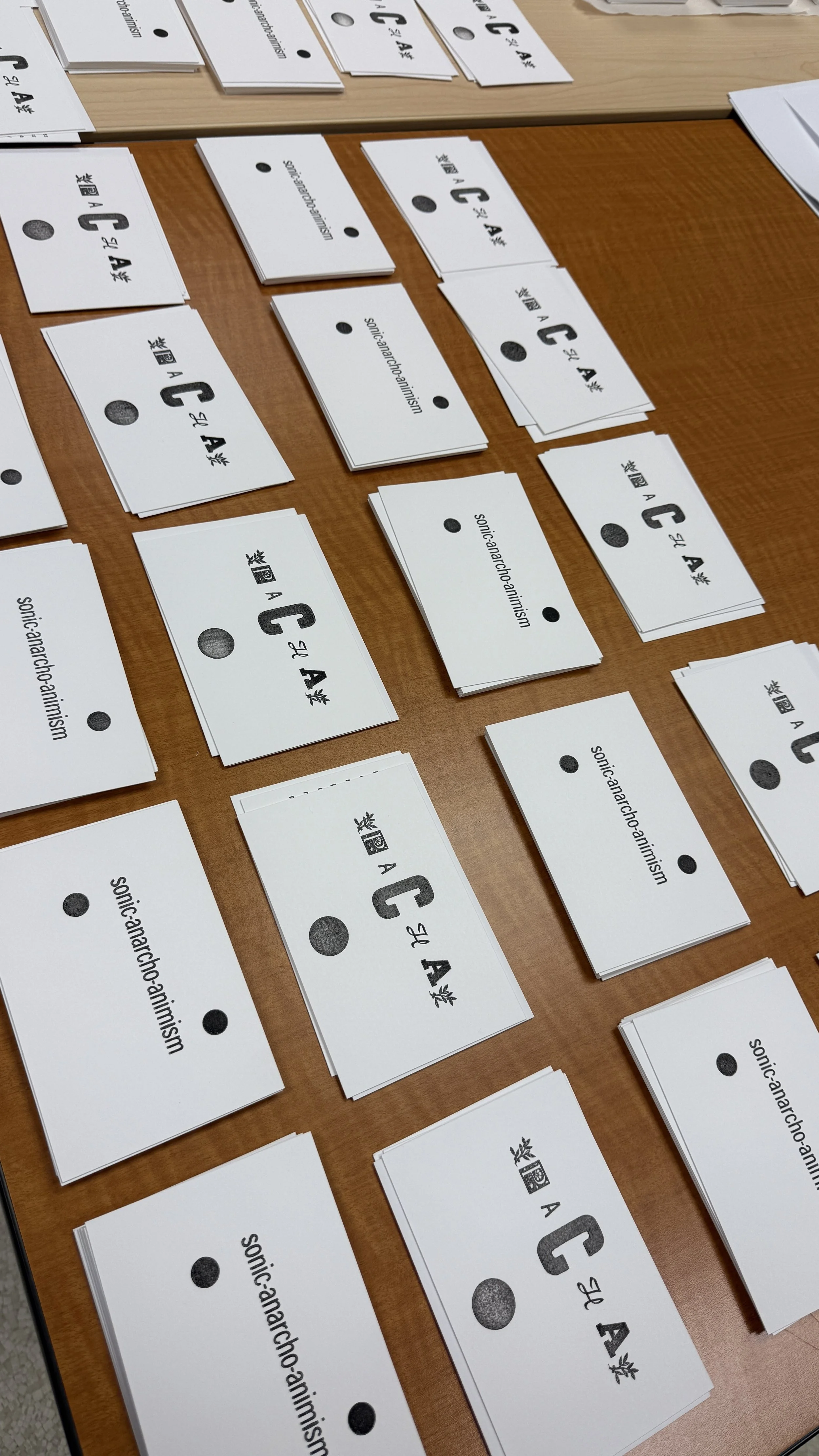
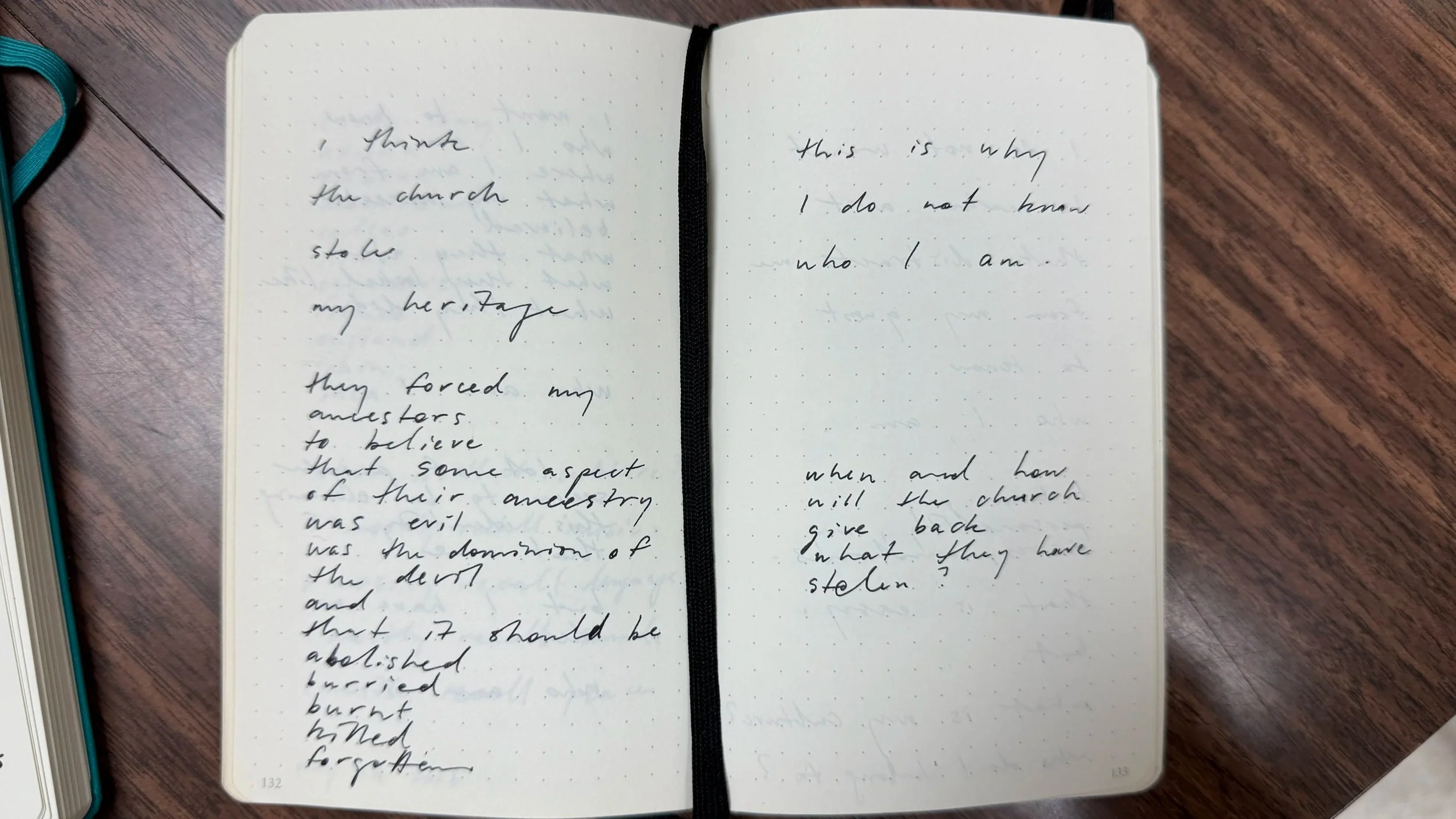
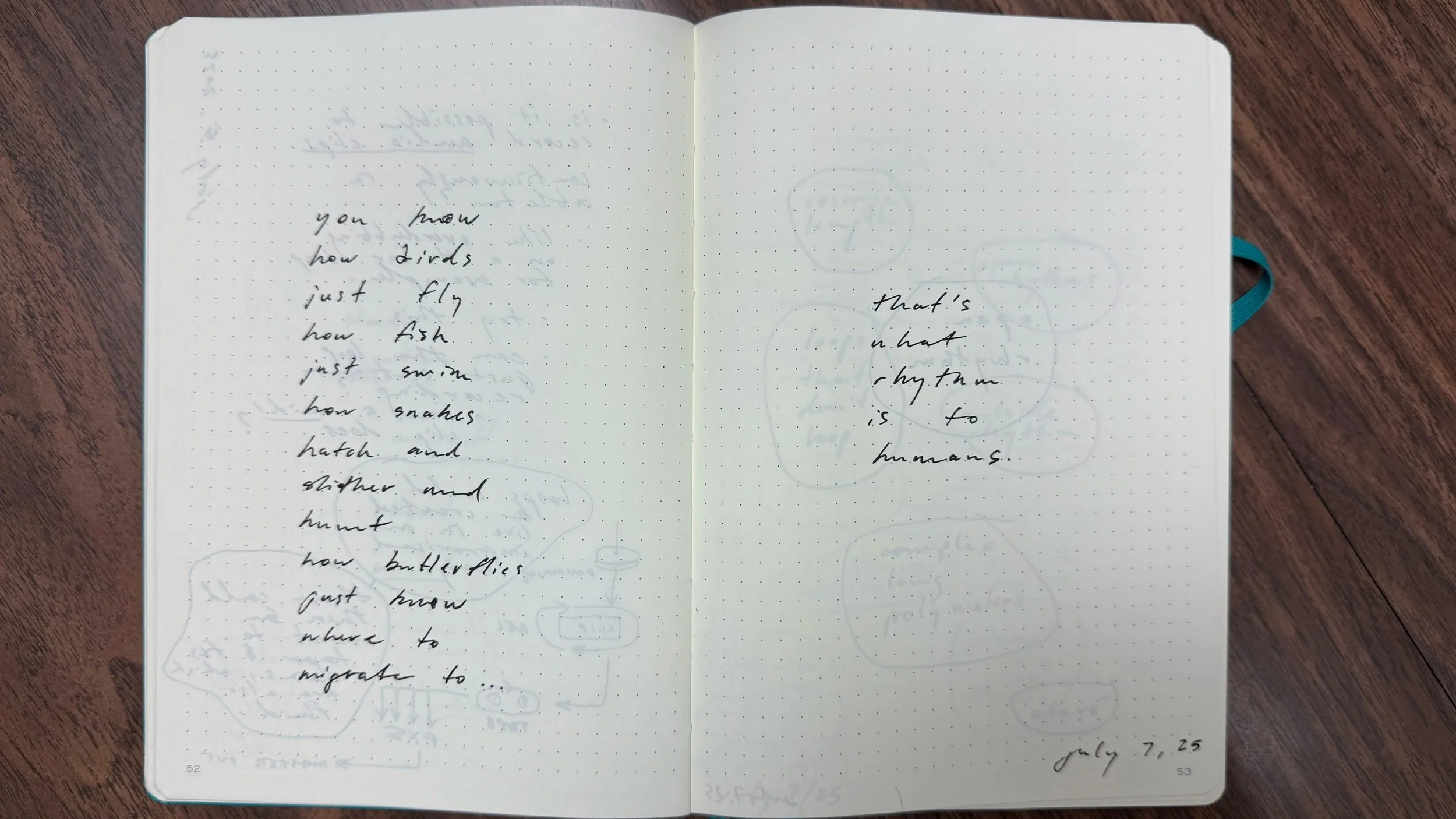
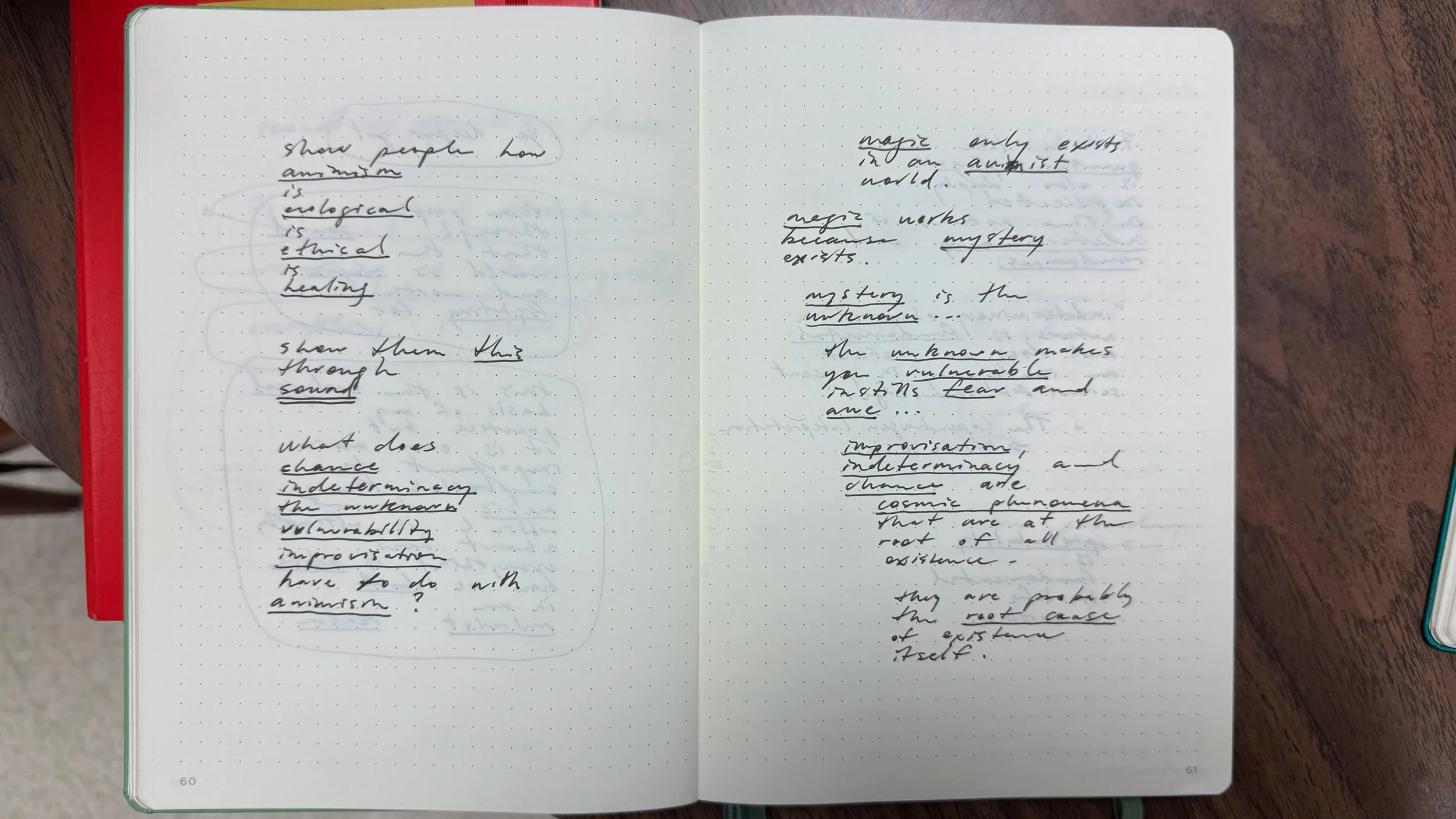
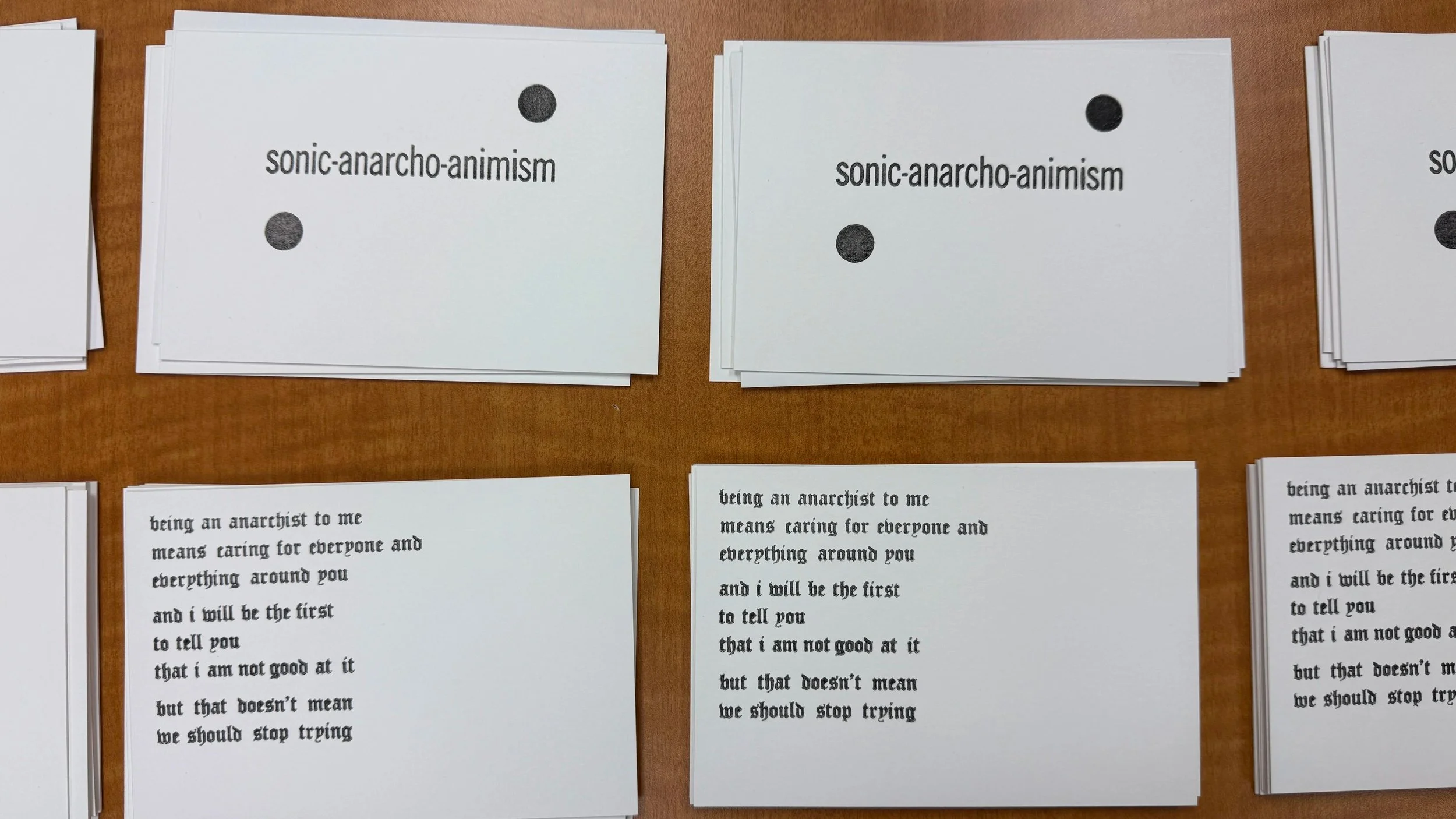
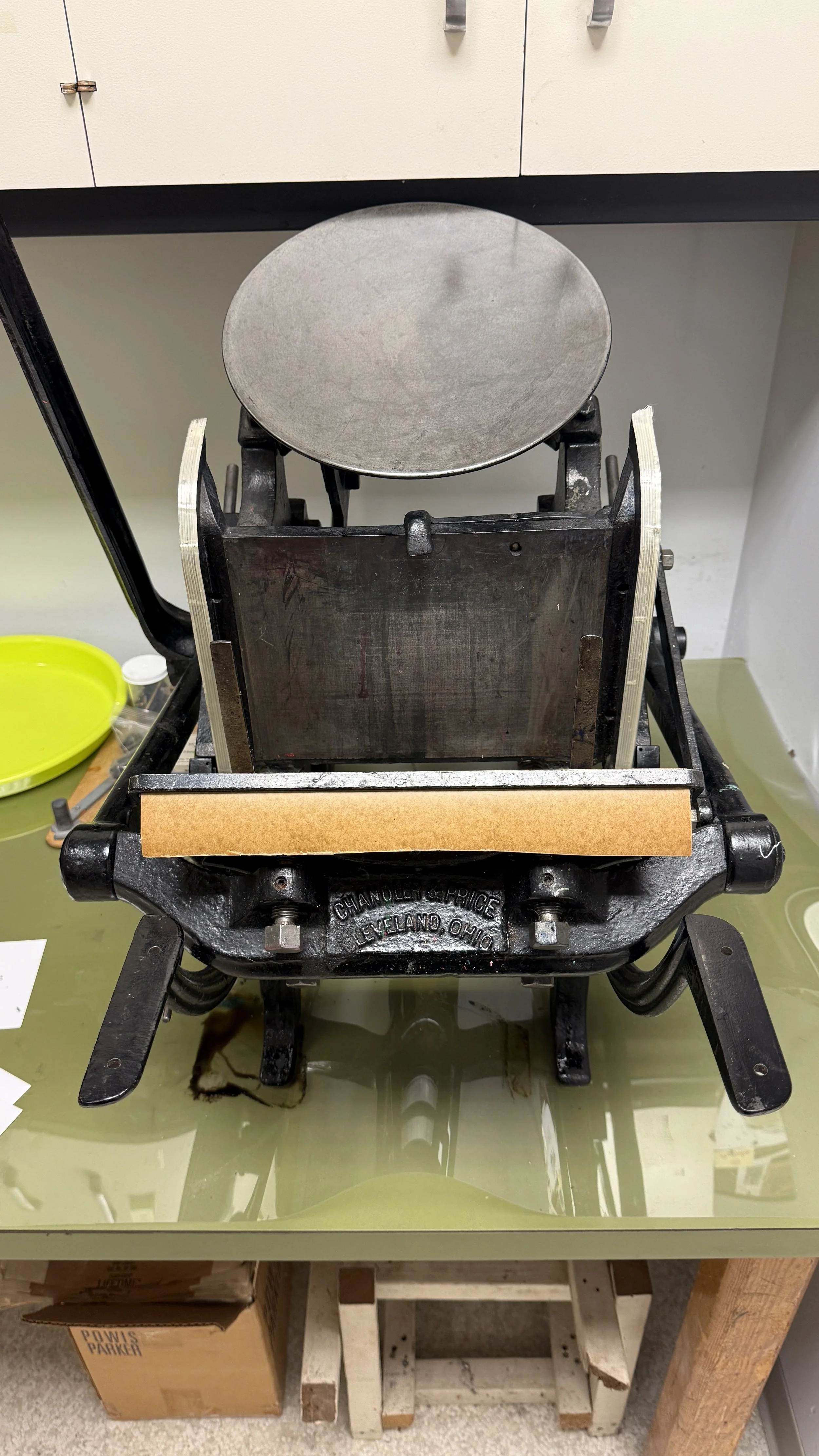
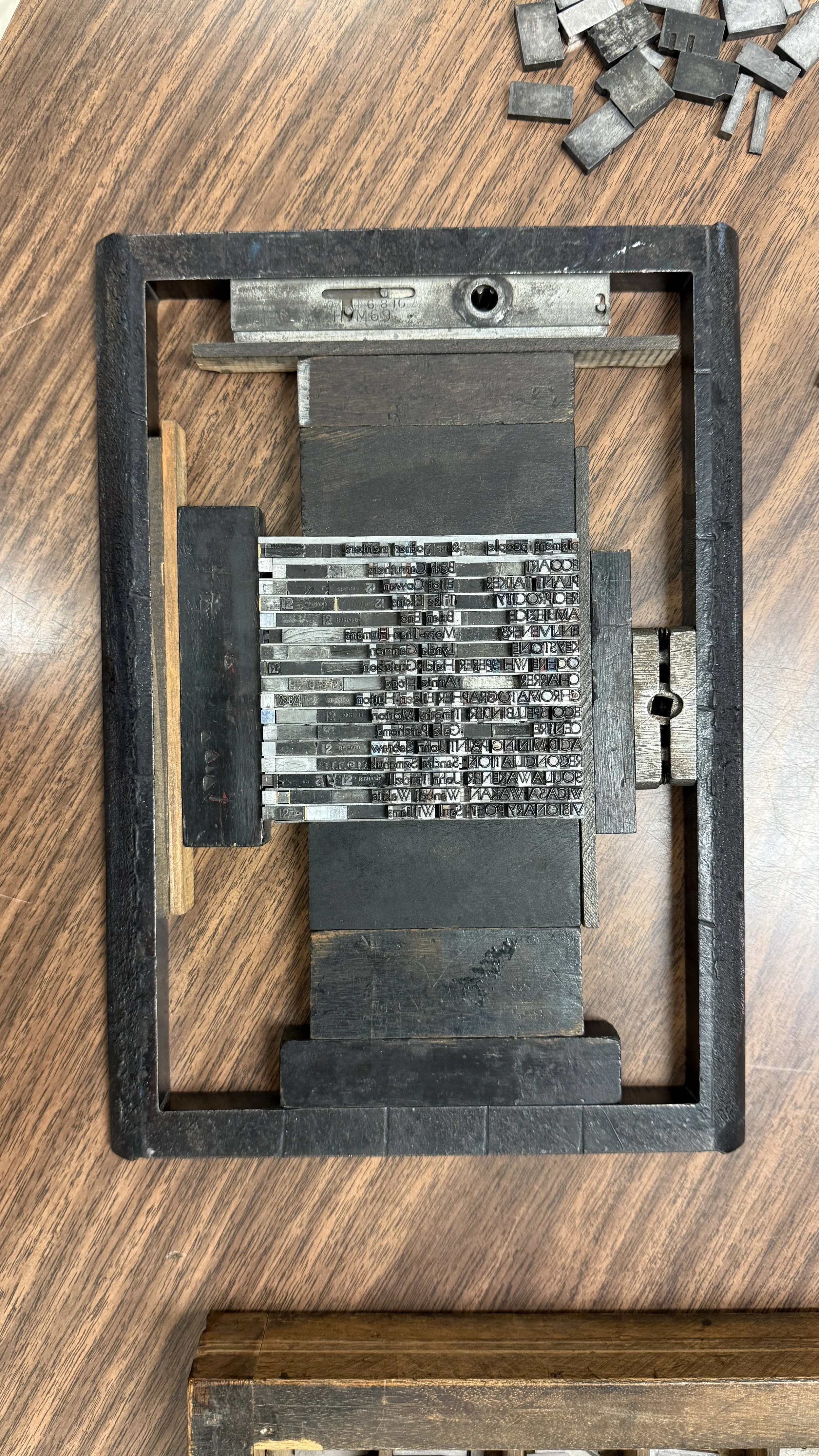
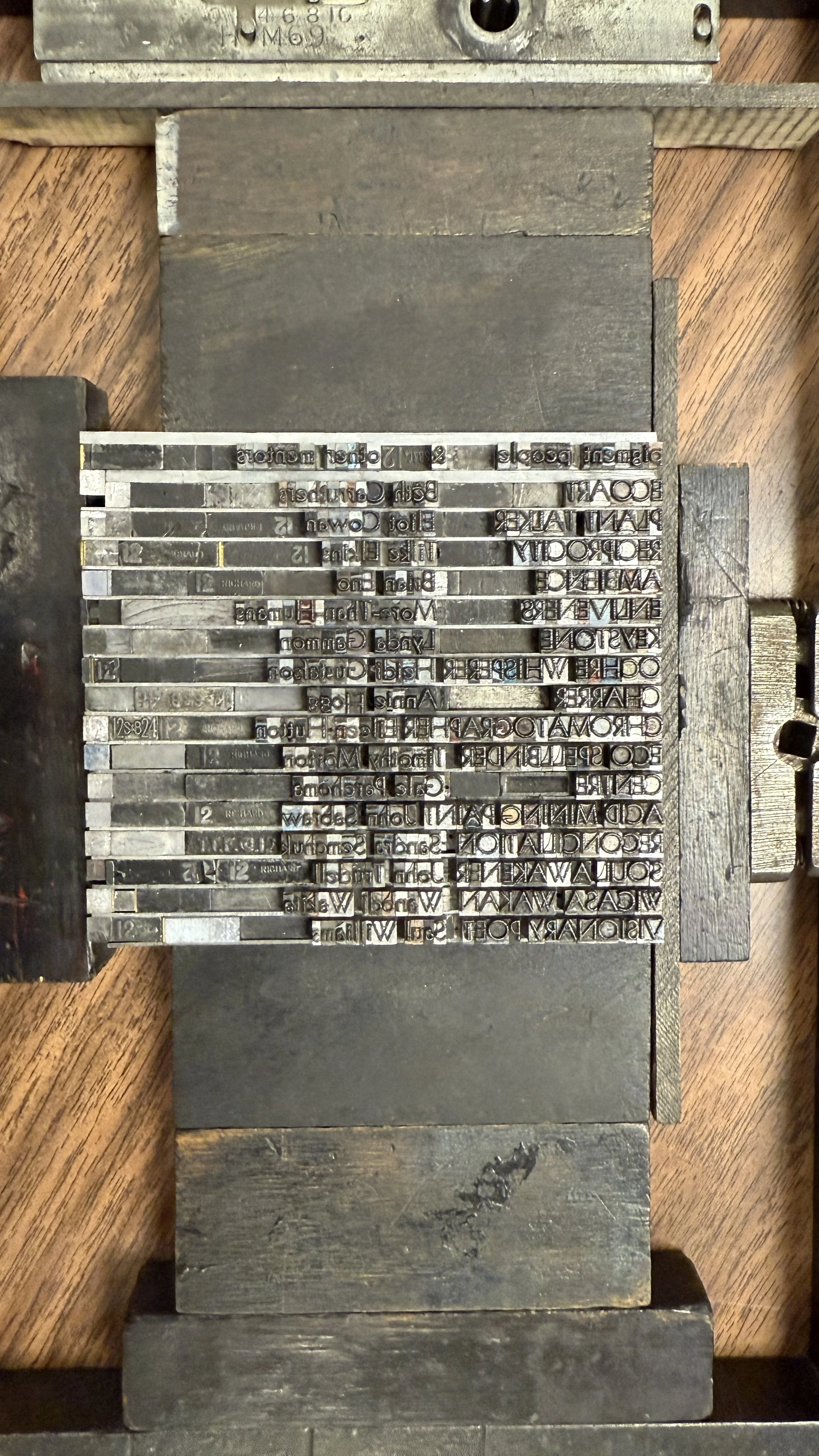
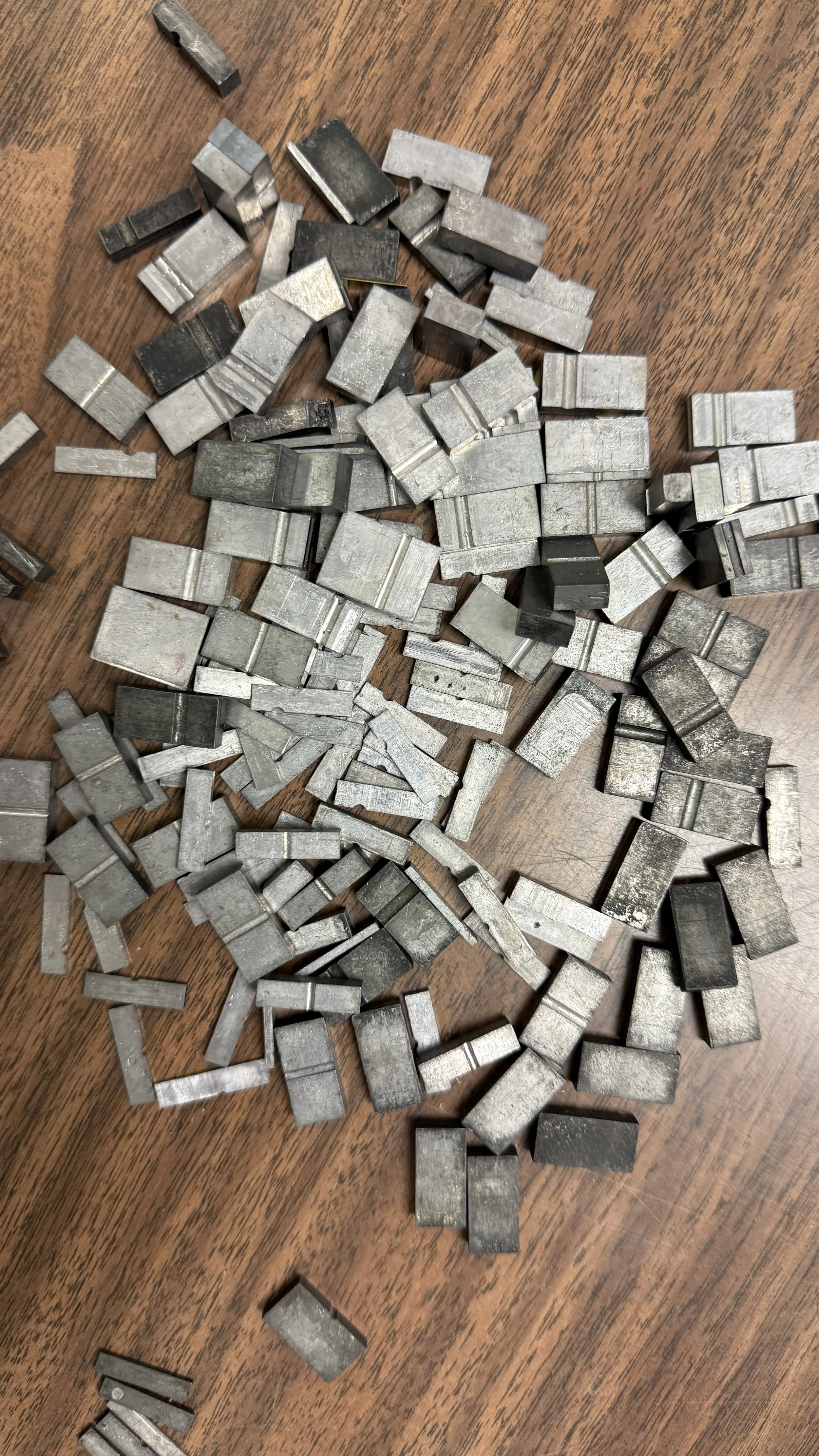
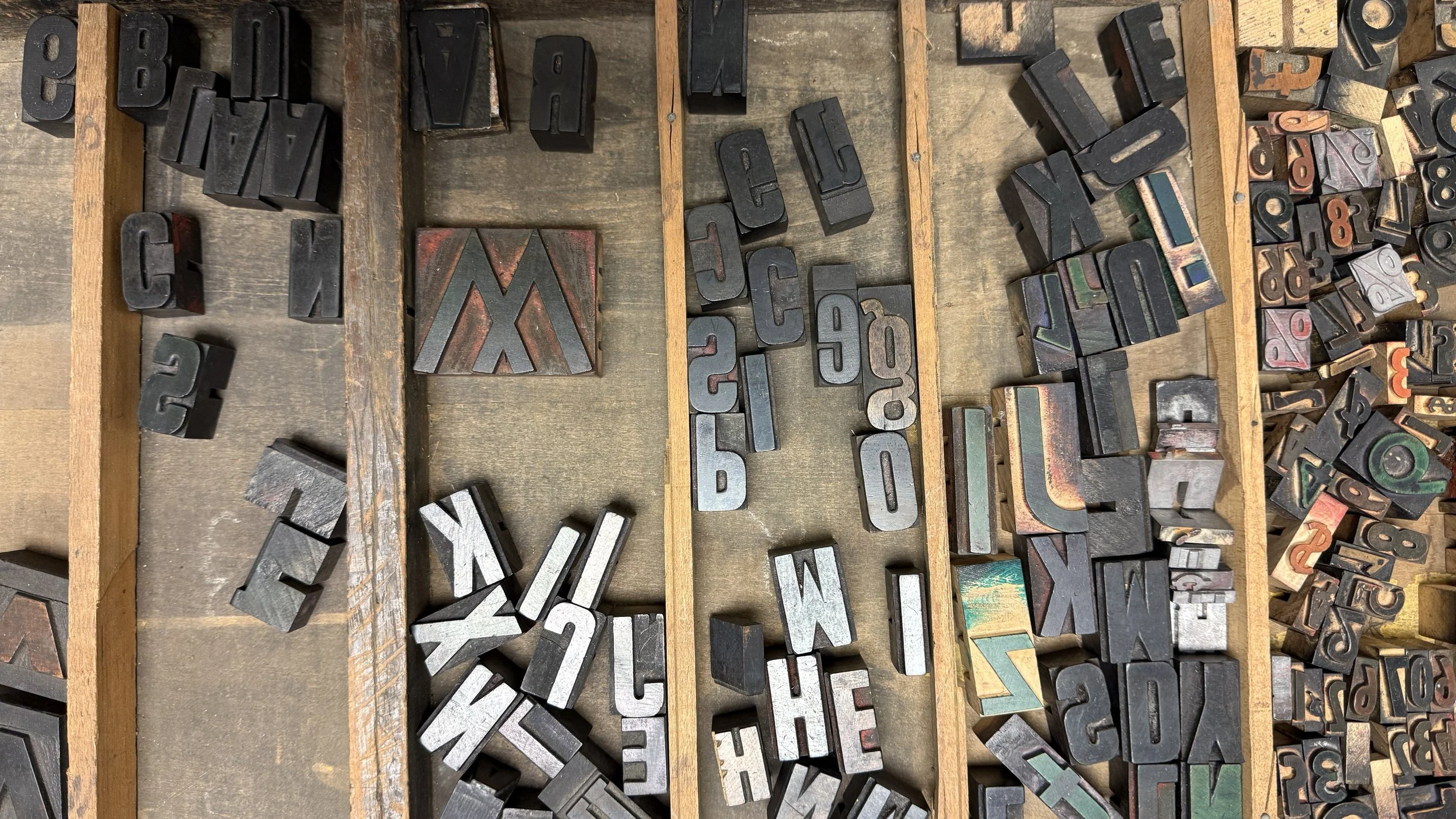
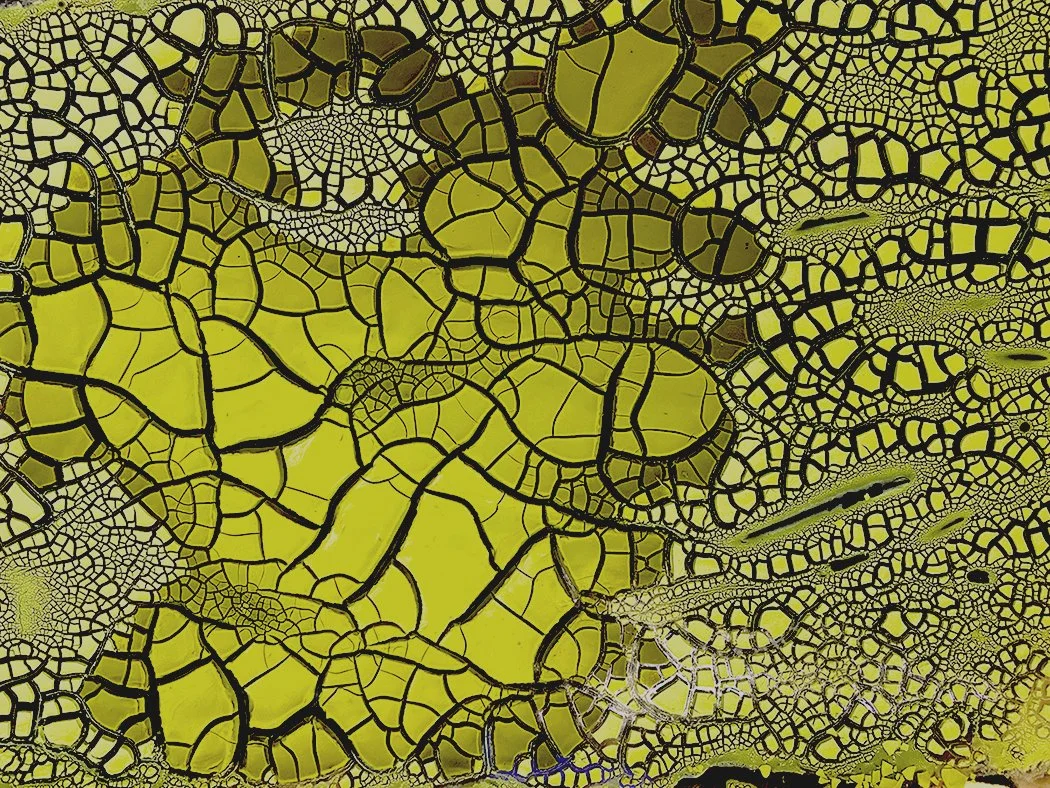
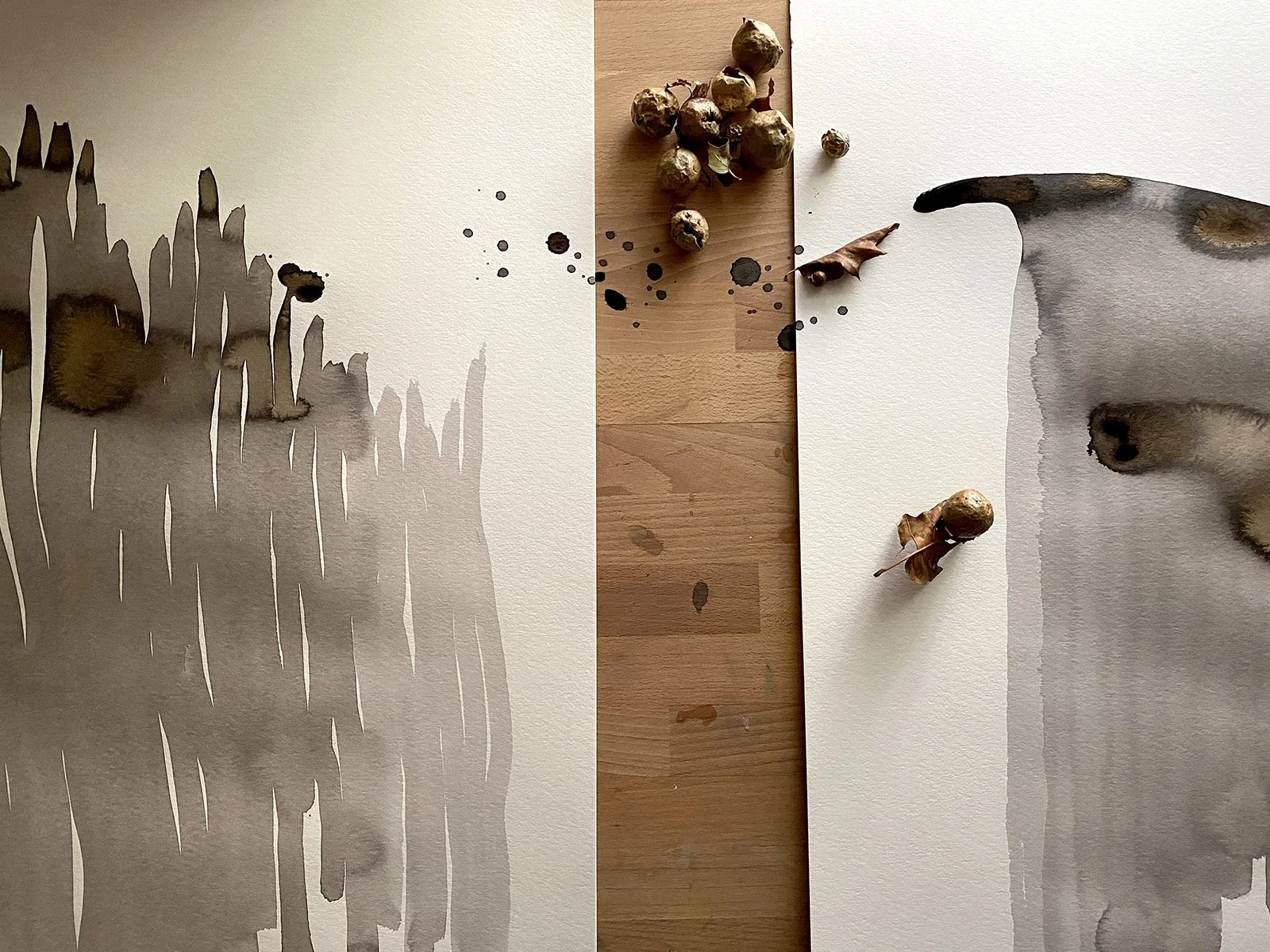
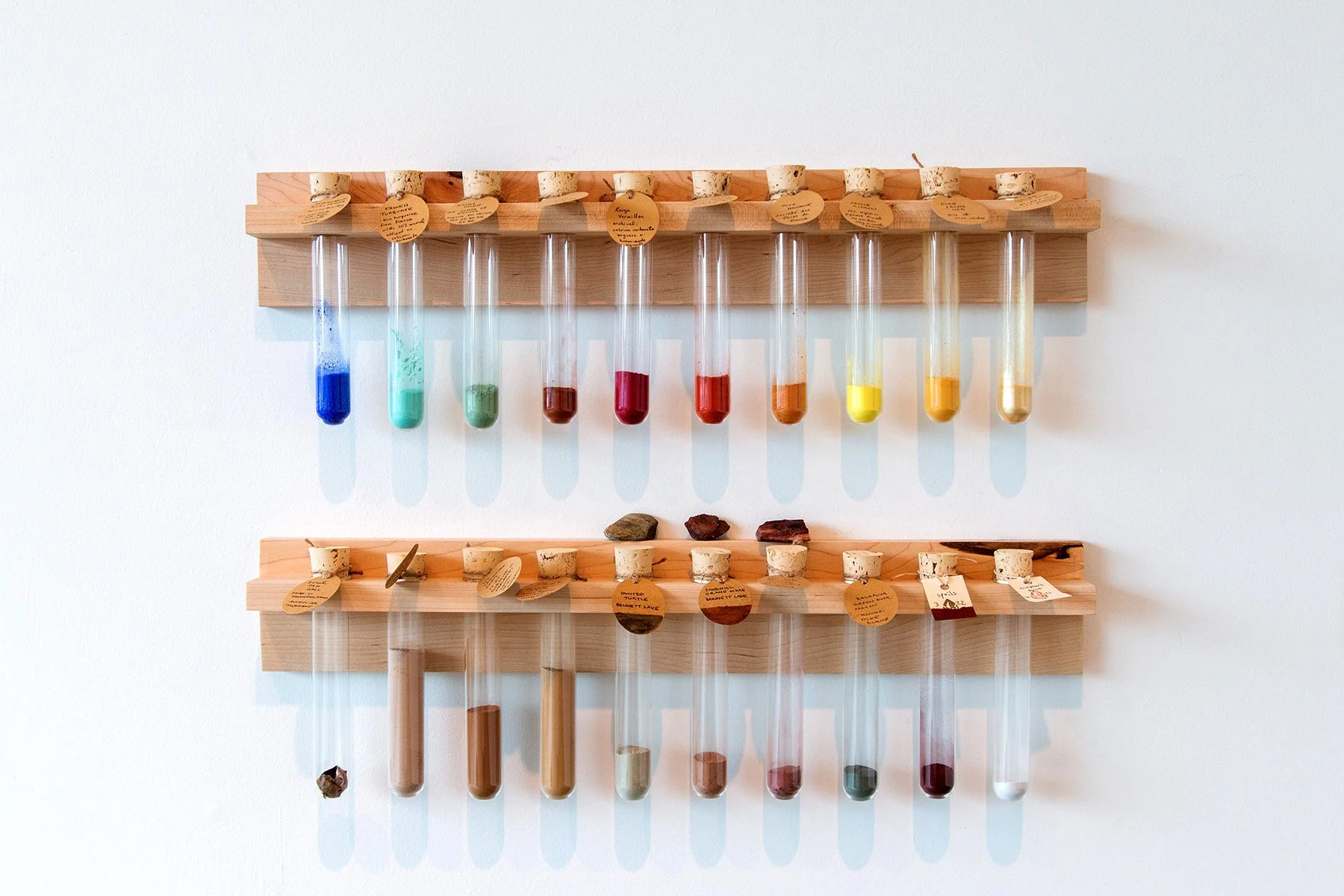
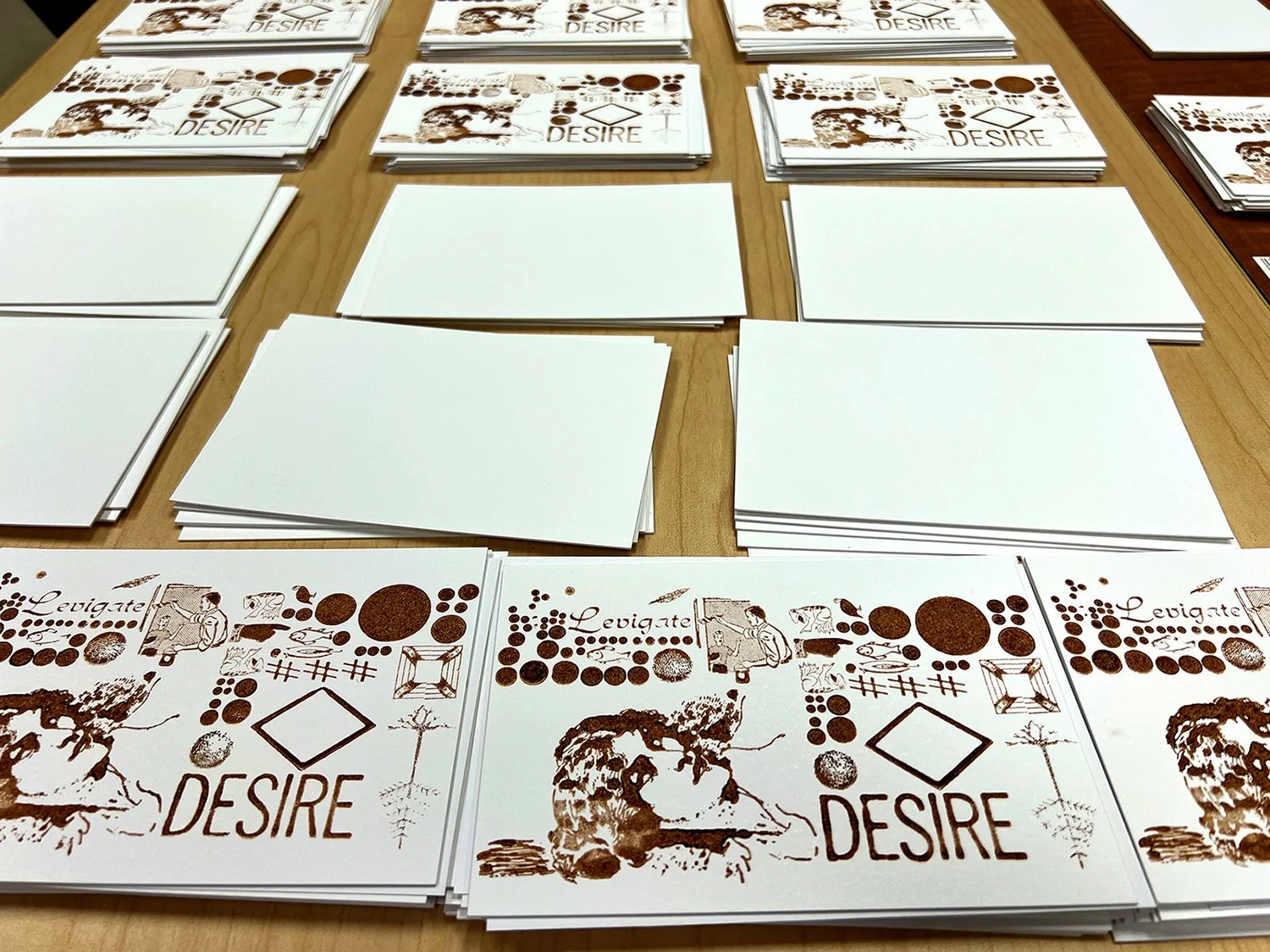
sounds are pigments are places
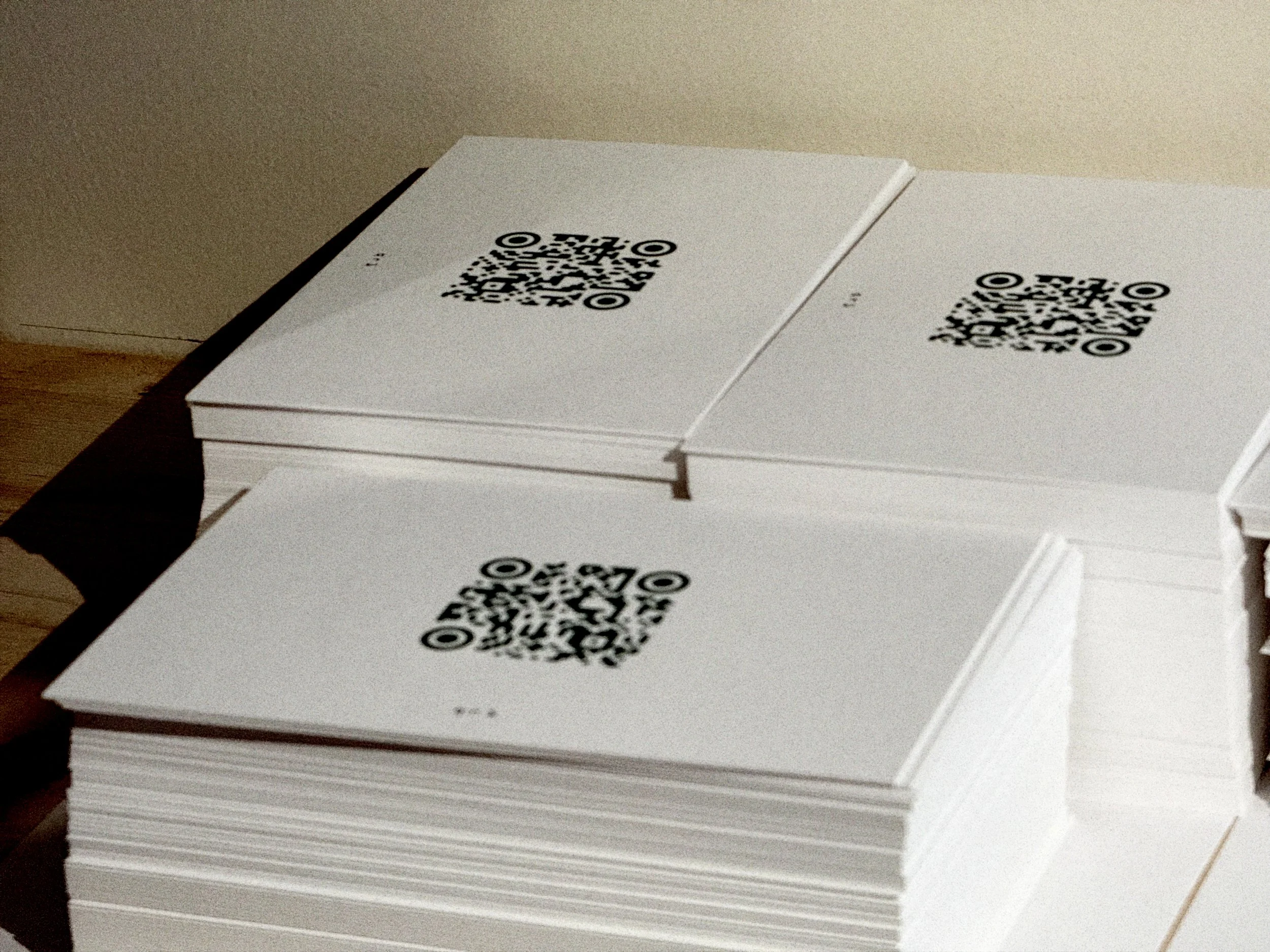
on-going interdisciplinary book. Canada Council for the Arts. Ontario Arts Council. flask publishing. 2026.
-
In late 2023, Lynda Gammon, a long-time mentor, reviewed one of our research proposals that contemplated the climate crisis through sound art and material practices. Gammon, the head of flask publishing, responded with an offer to develop and publish an ee portal art book. Since that time ee portal has been working toward the realization of sounds are pigments are places, an interdisciplinary meditation on our collective ecological entanglements. With grants ee portal garnered from the Ontario Arts Council and Canada Council for the Arts, together with the support of flask, the art book series is set to be published and disseminated in 2026.
sounds are pigments are places is not only an ethic it is a magical statement. At its essence, it conveys that everything is interchangeable, that everything is fluid. Our animist view of the world shows us that all things, animate and inanimate, not only exist in equal ways, but each entity is dependent on one another for their very existence. We are attempting to go even deeper into this process to be able to express how sounds are actually also pigments, and how pigments are actually places, and so forth.
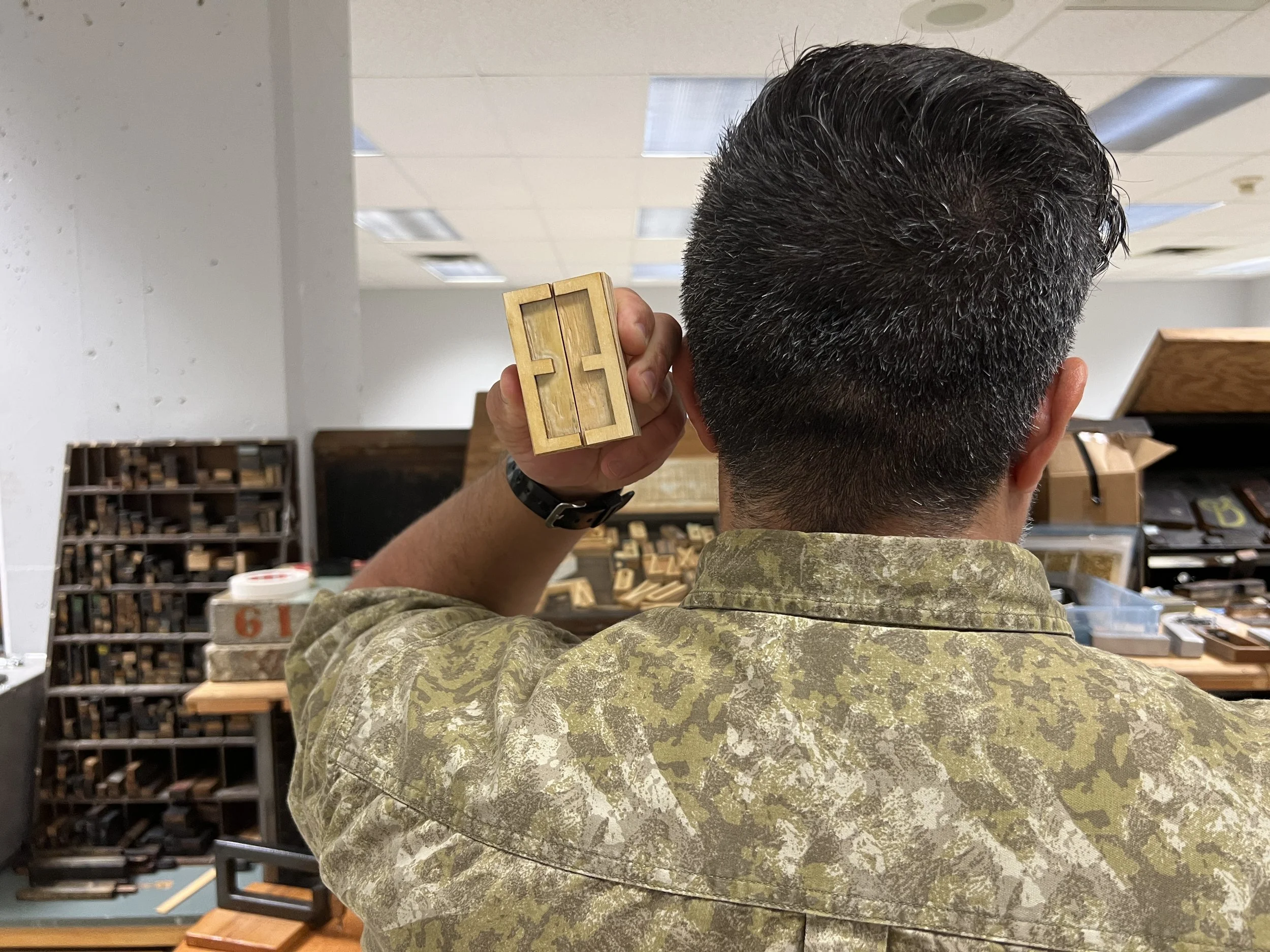
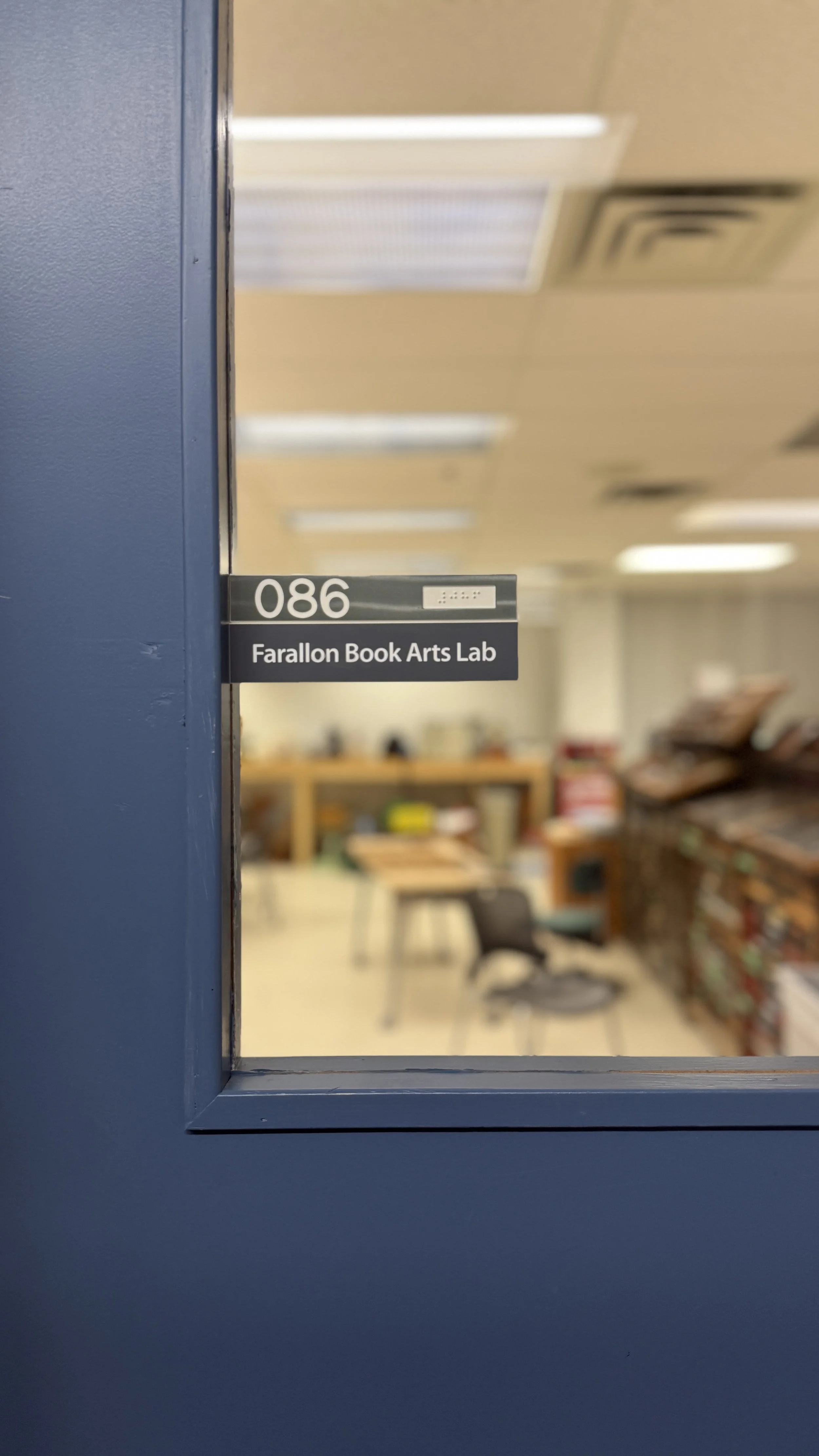
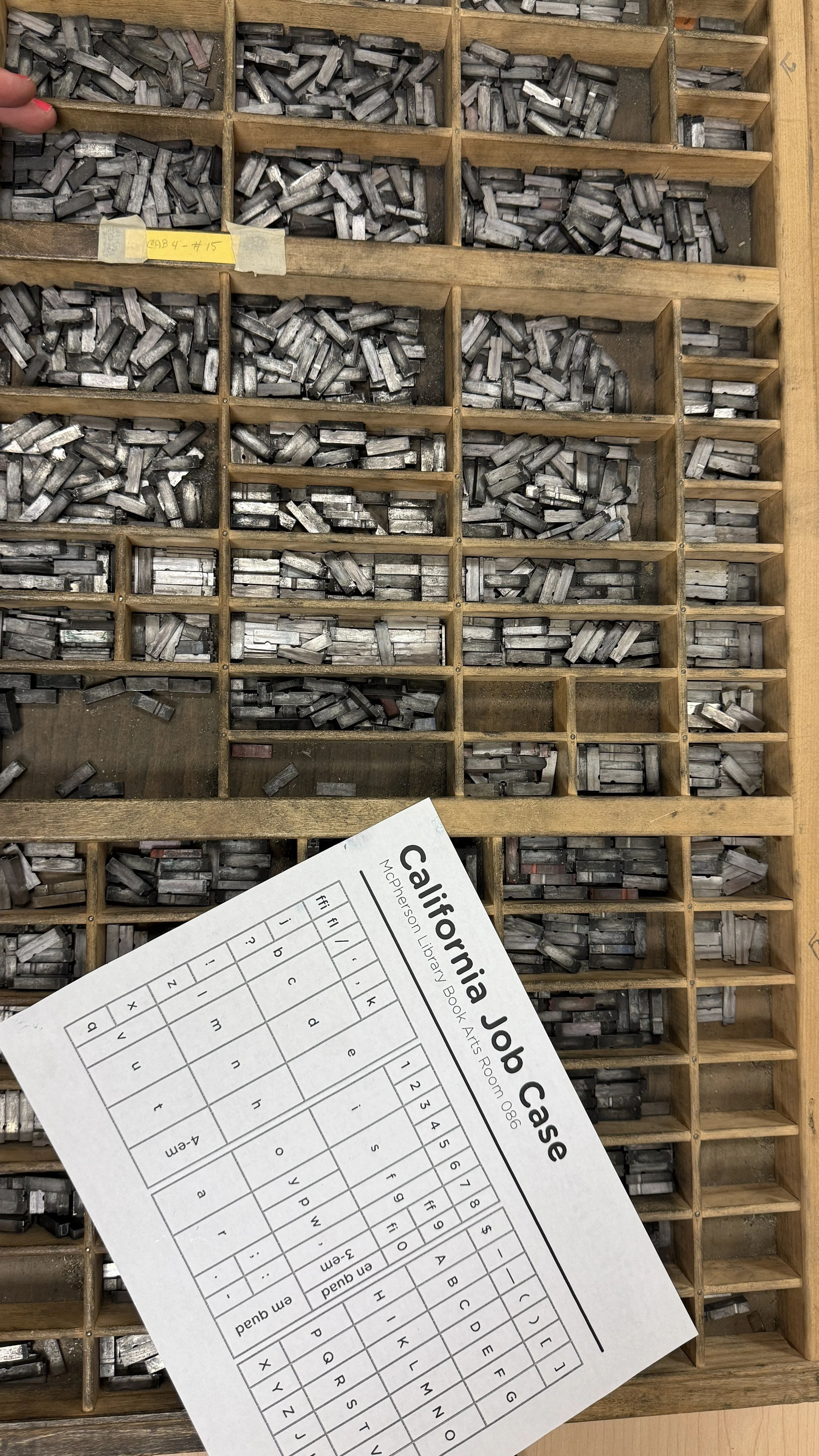
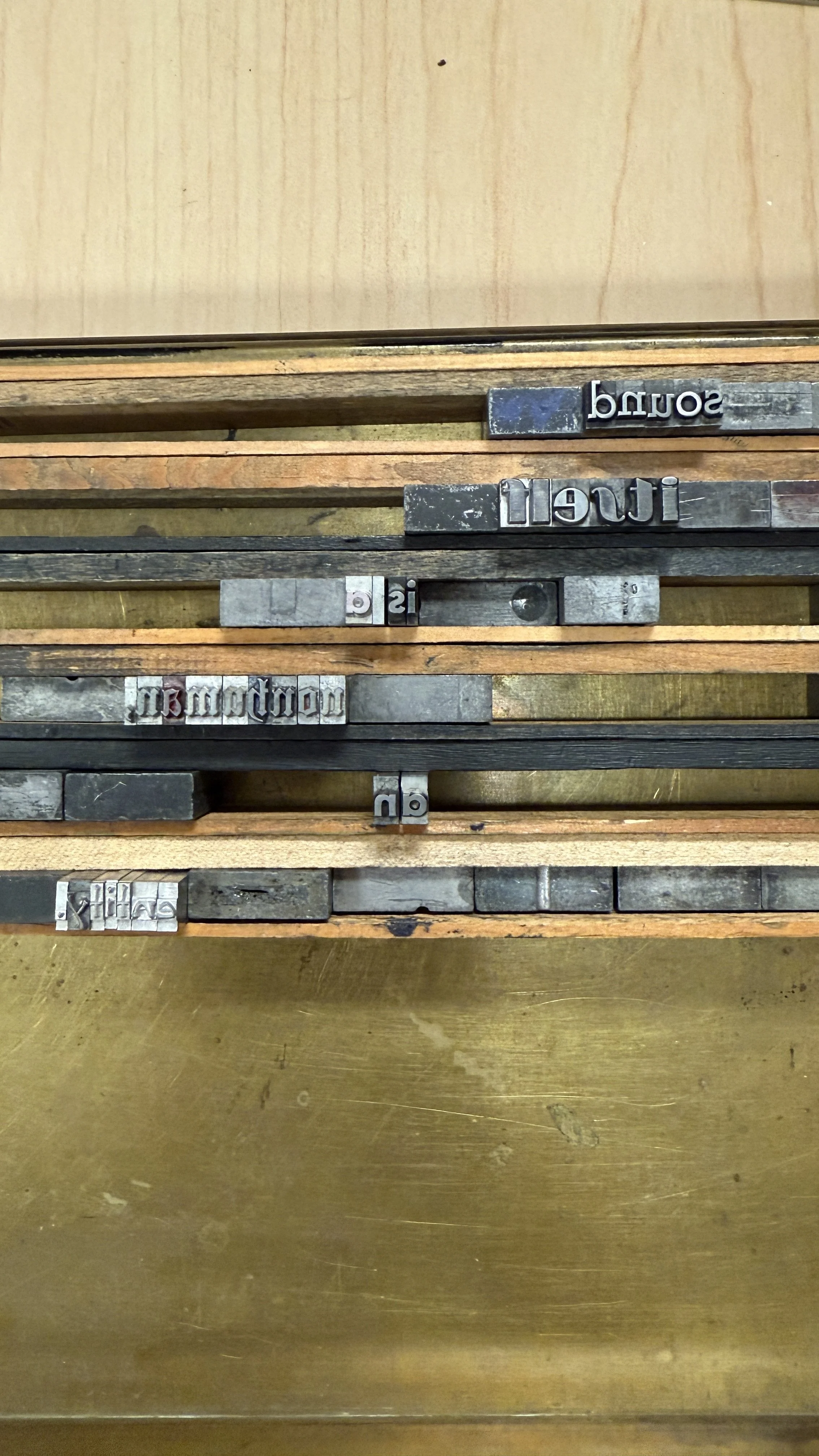
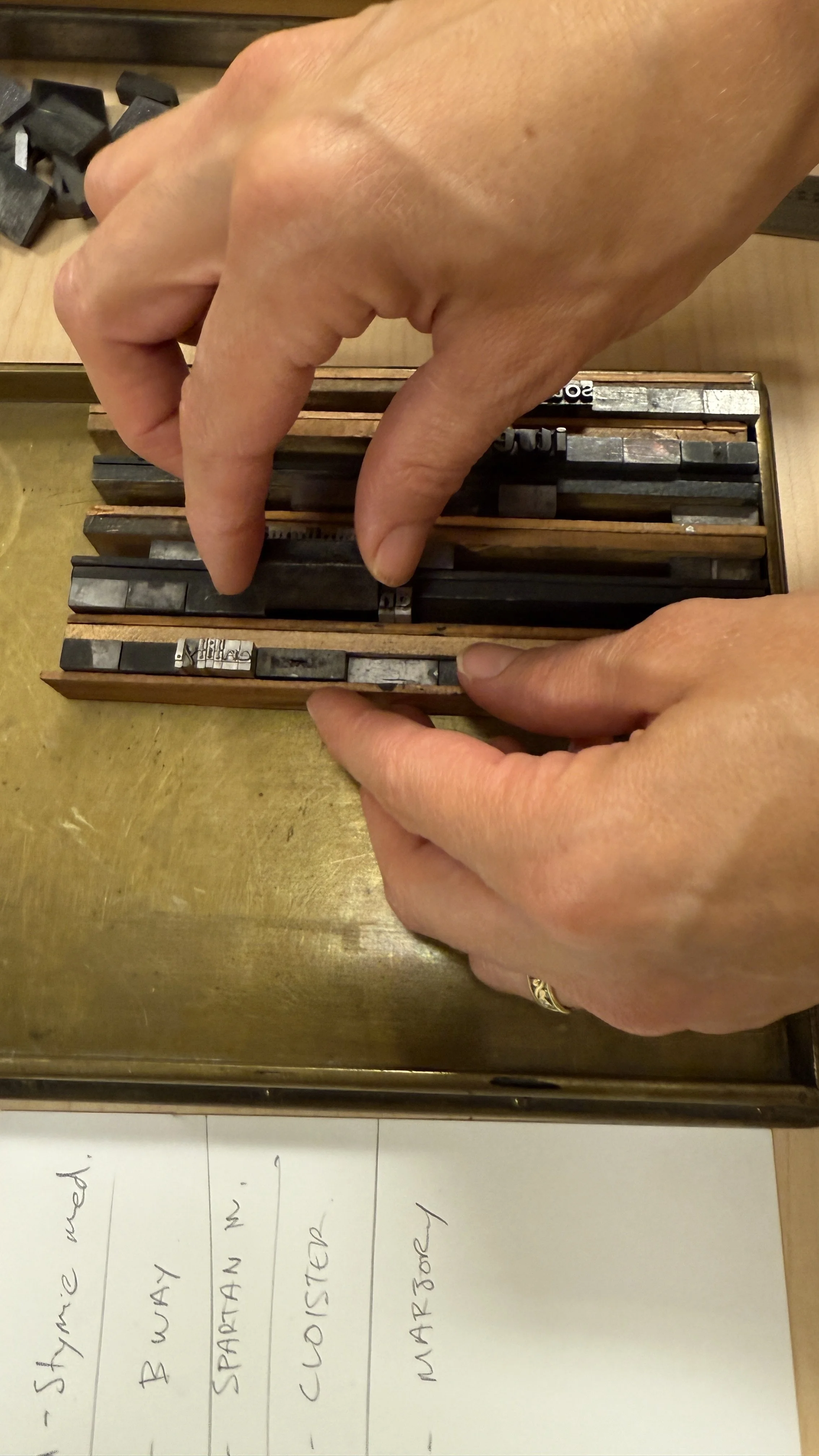
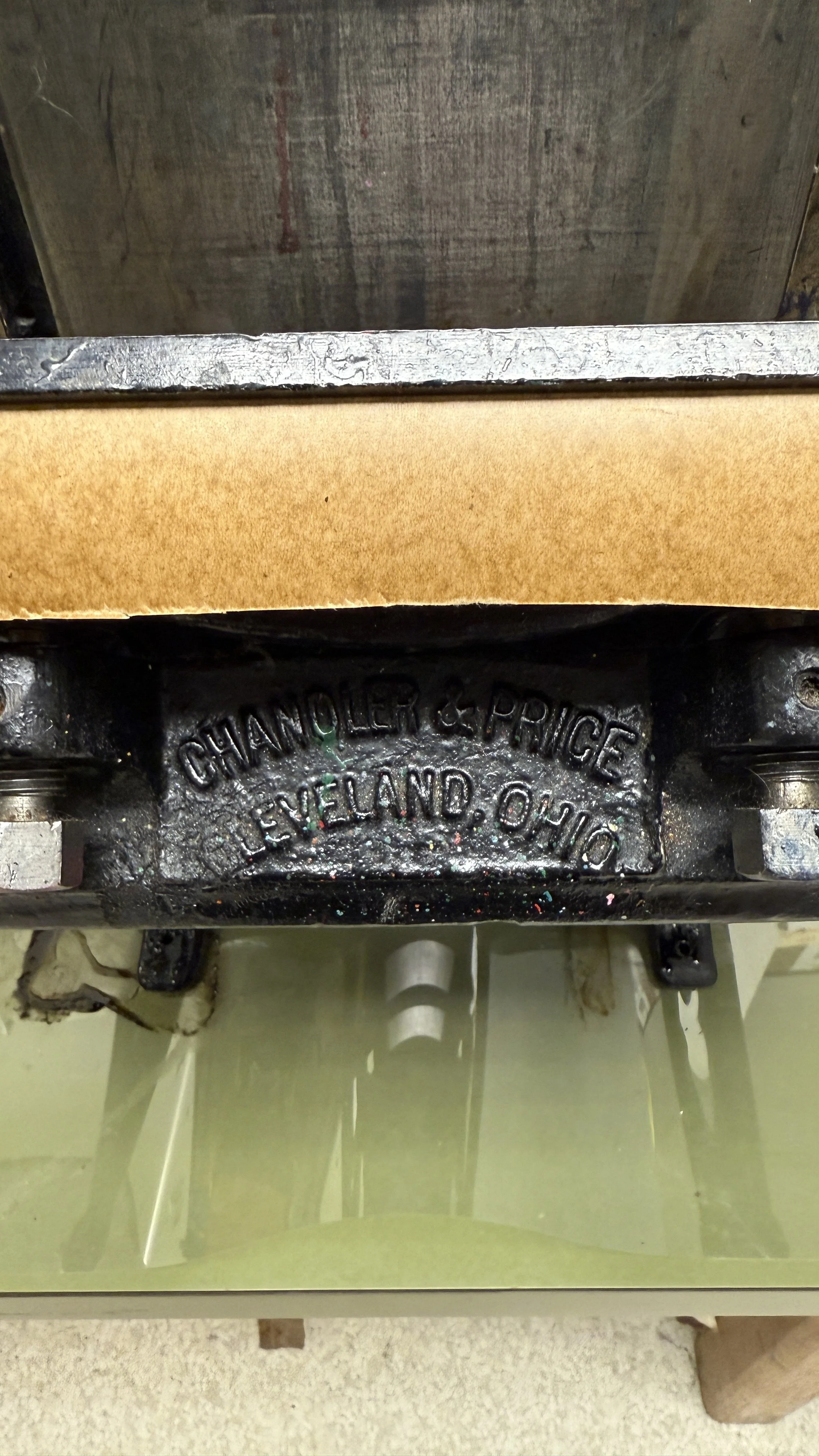
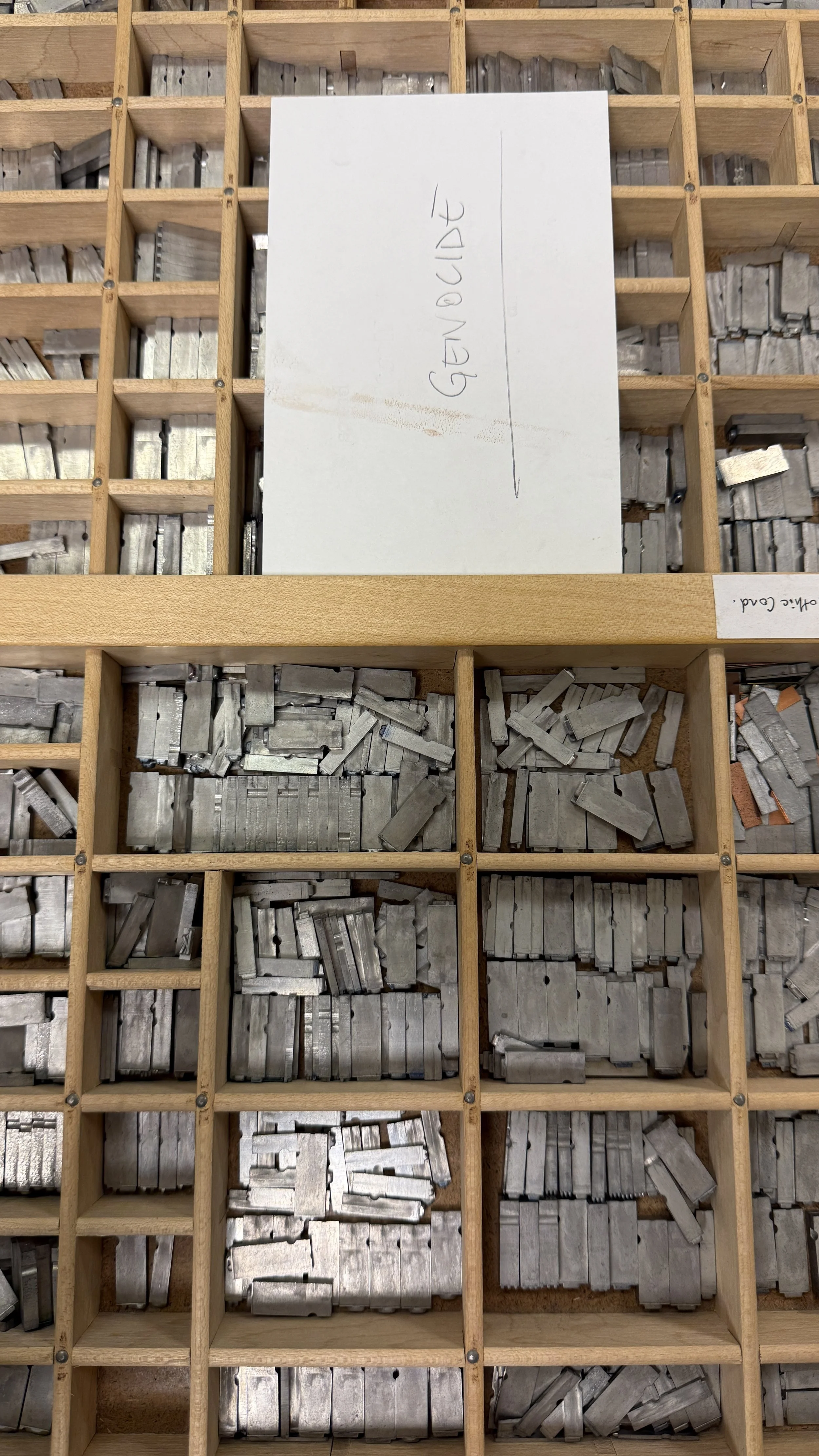
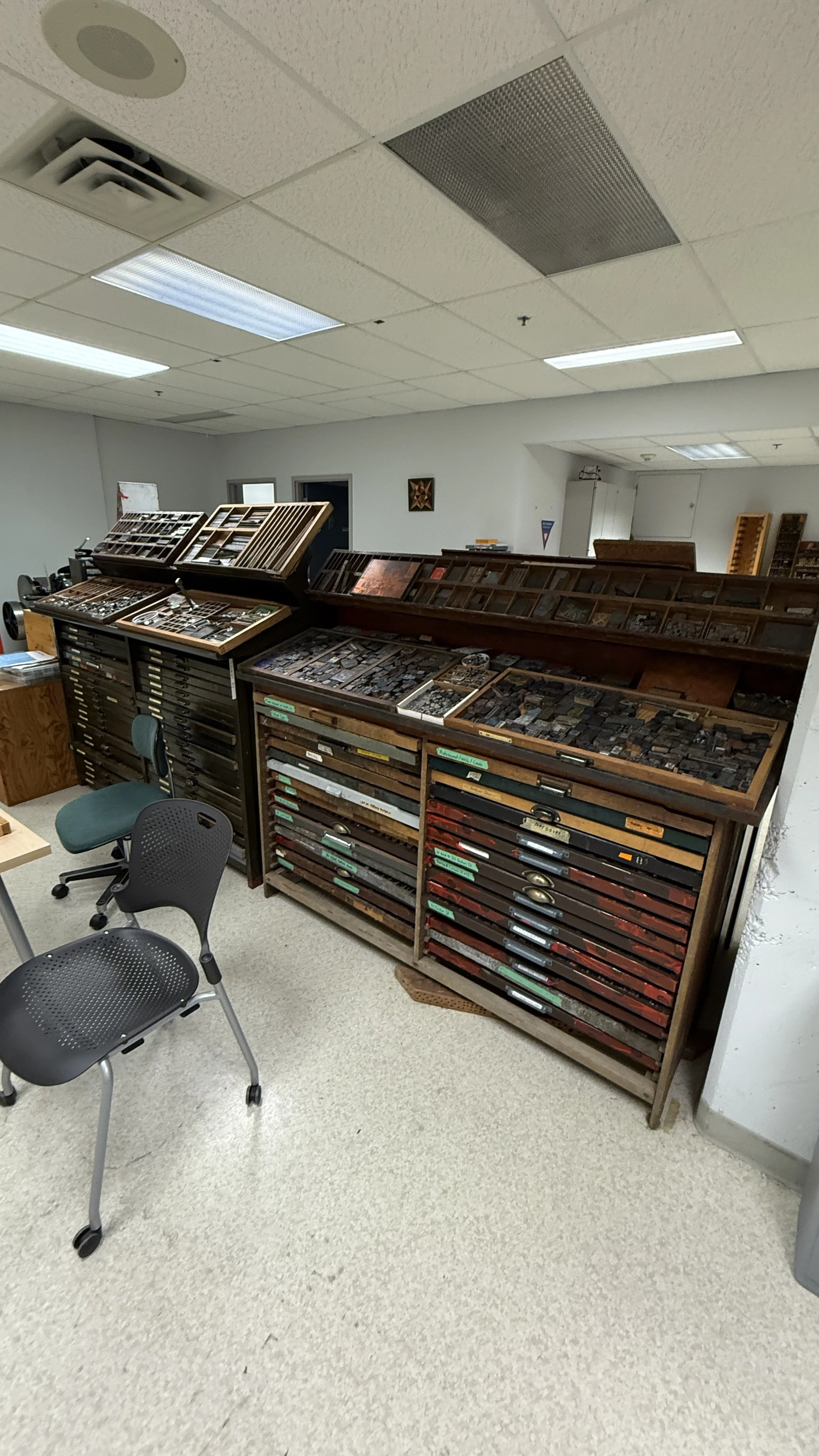
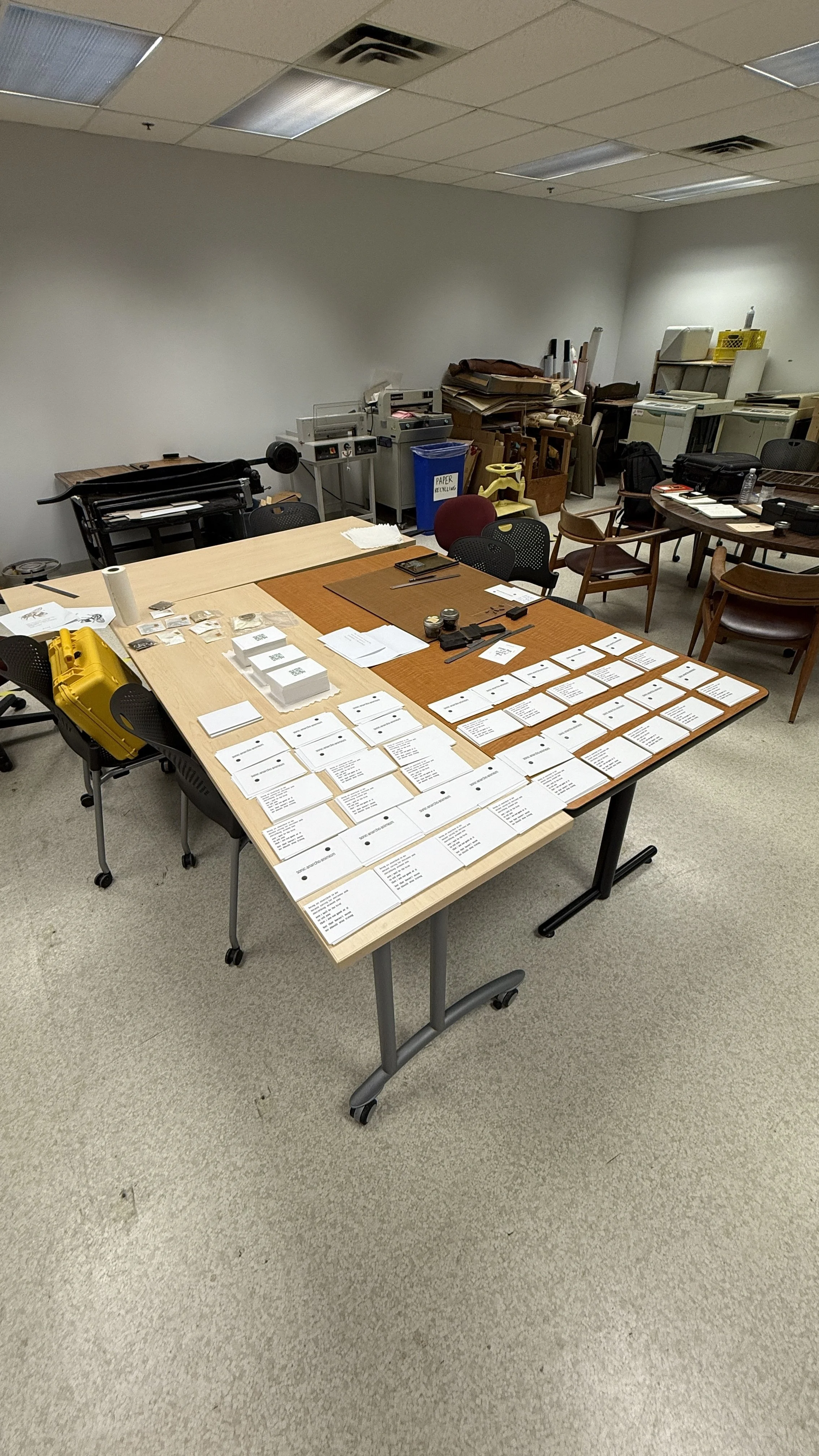
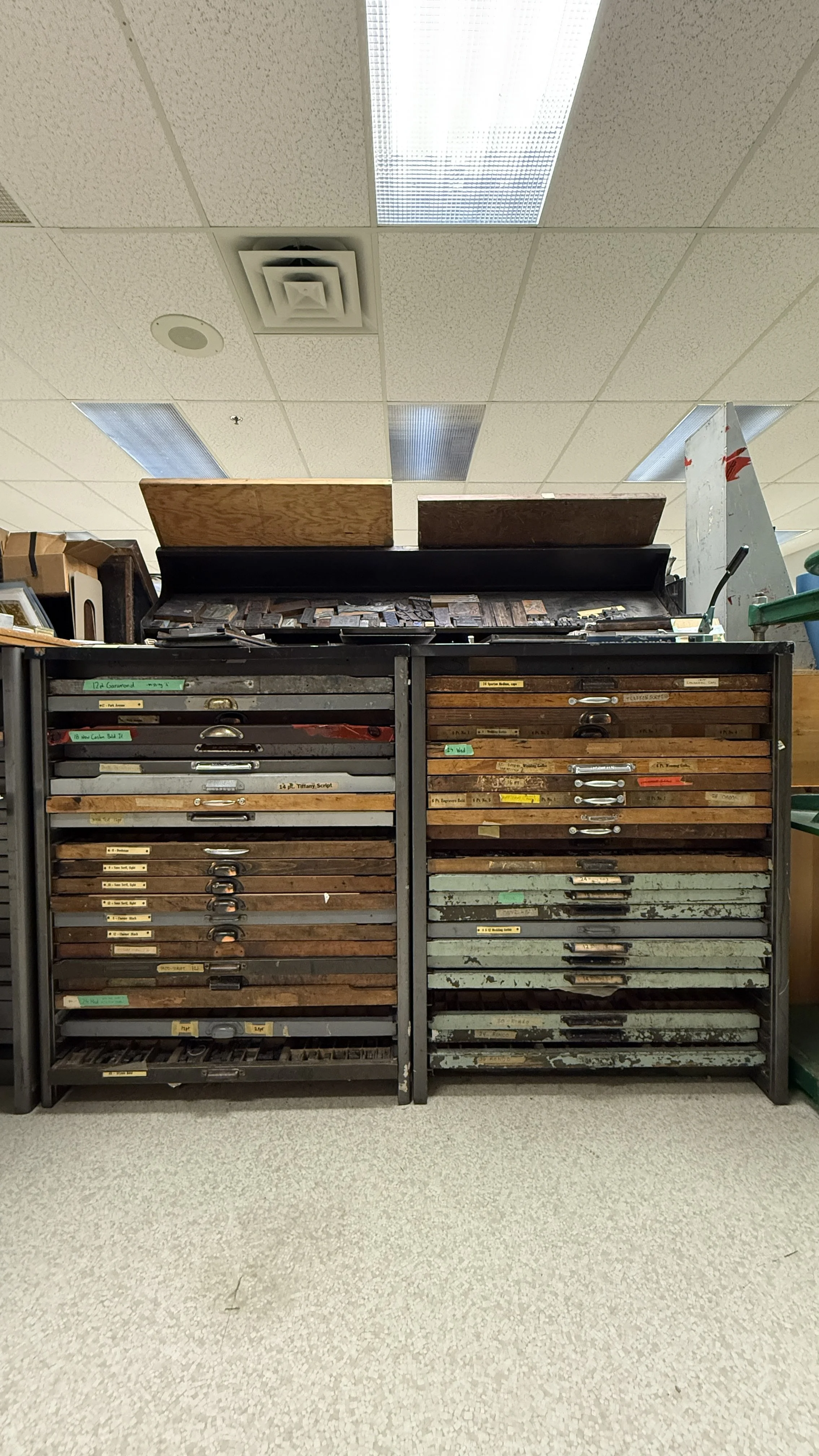
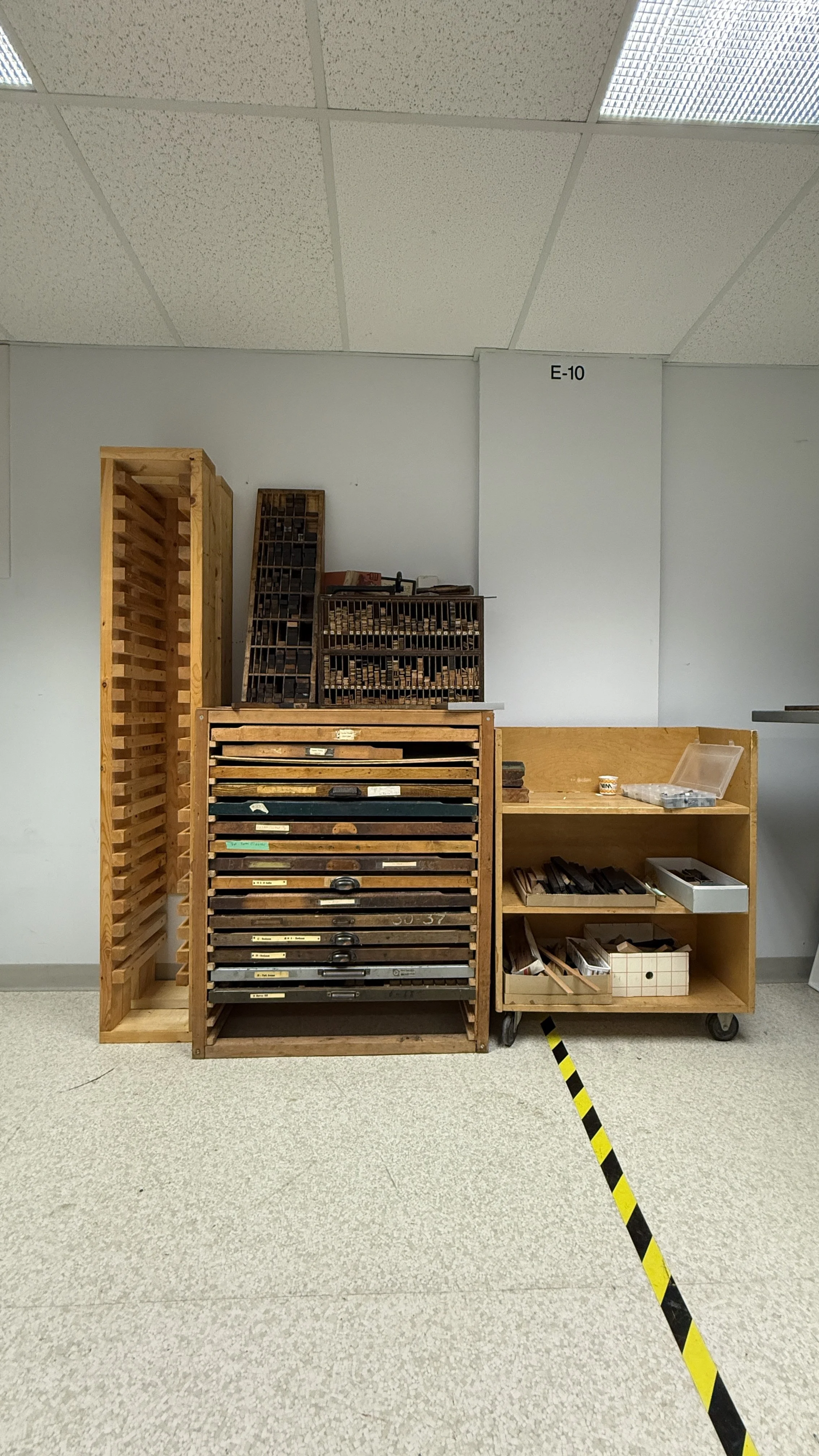
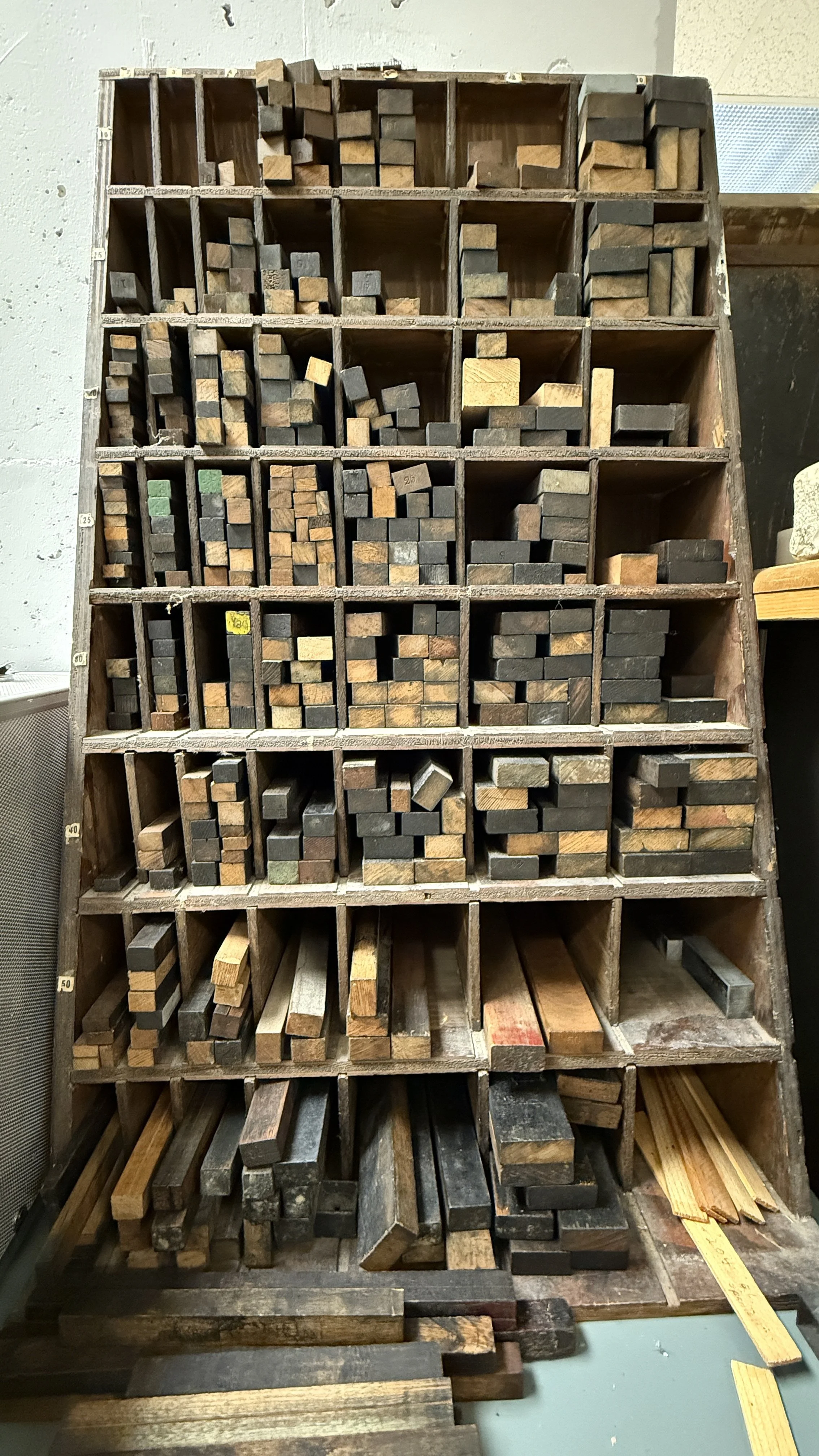
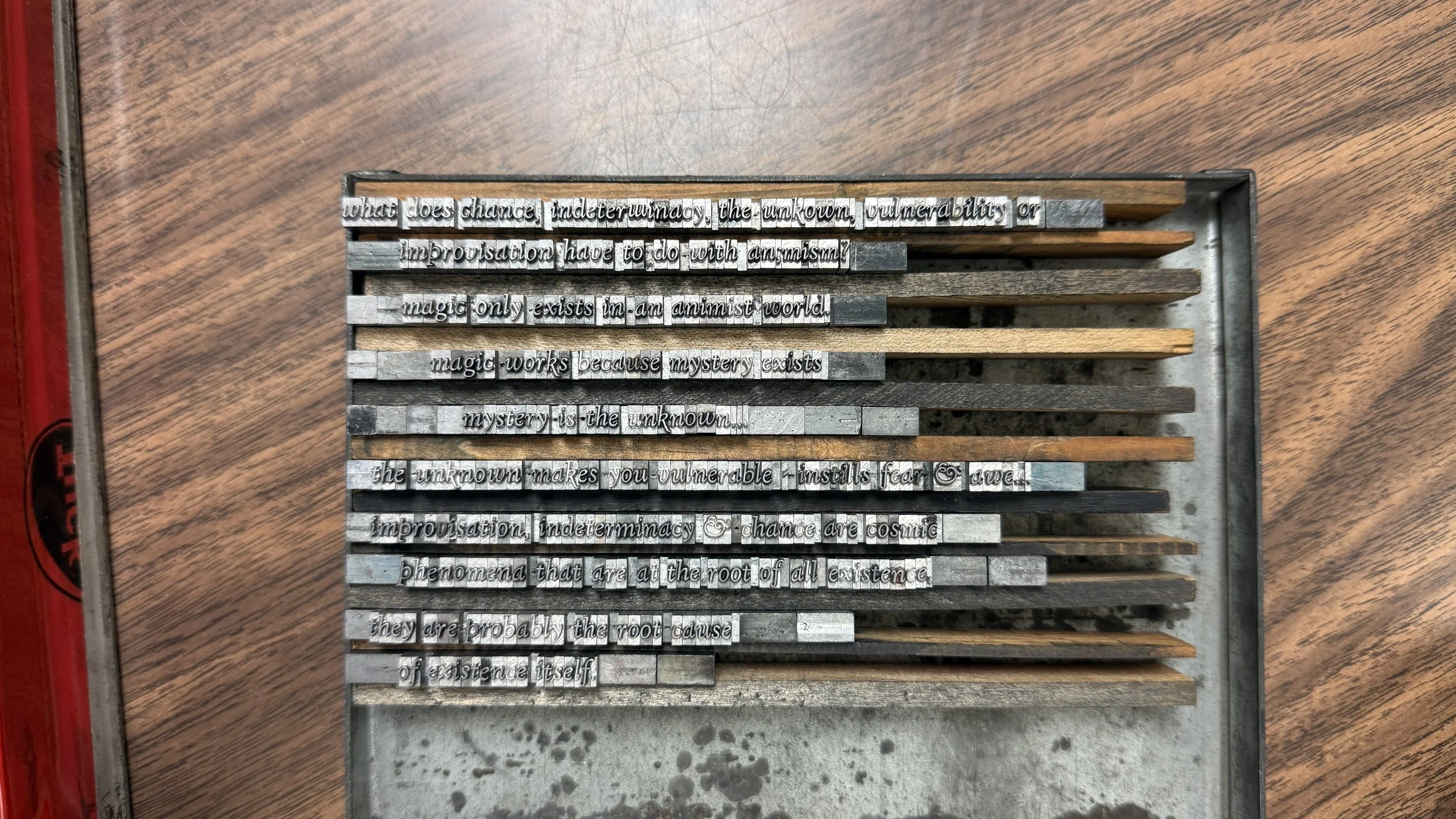
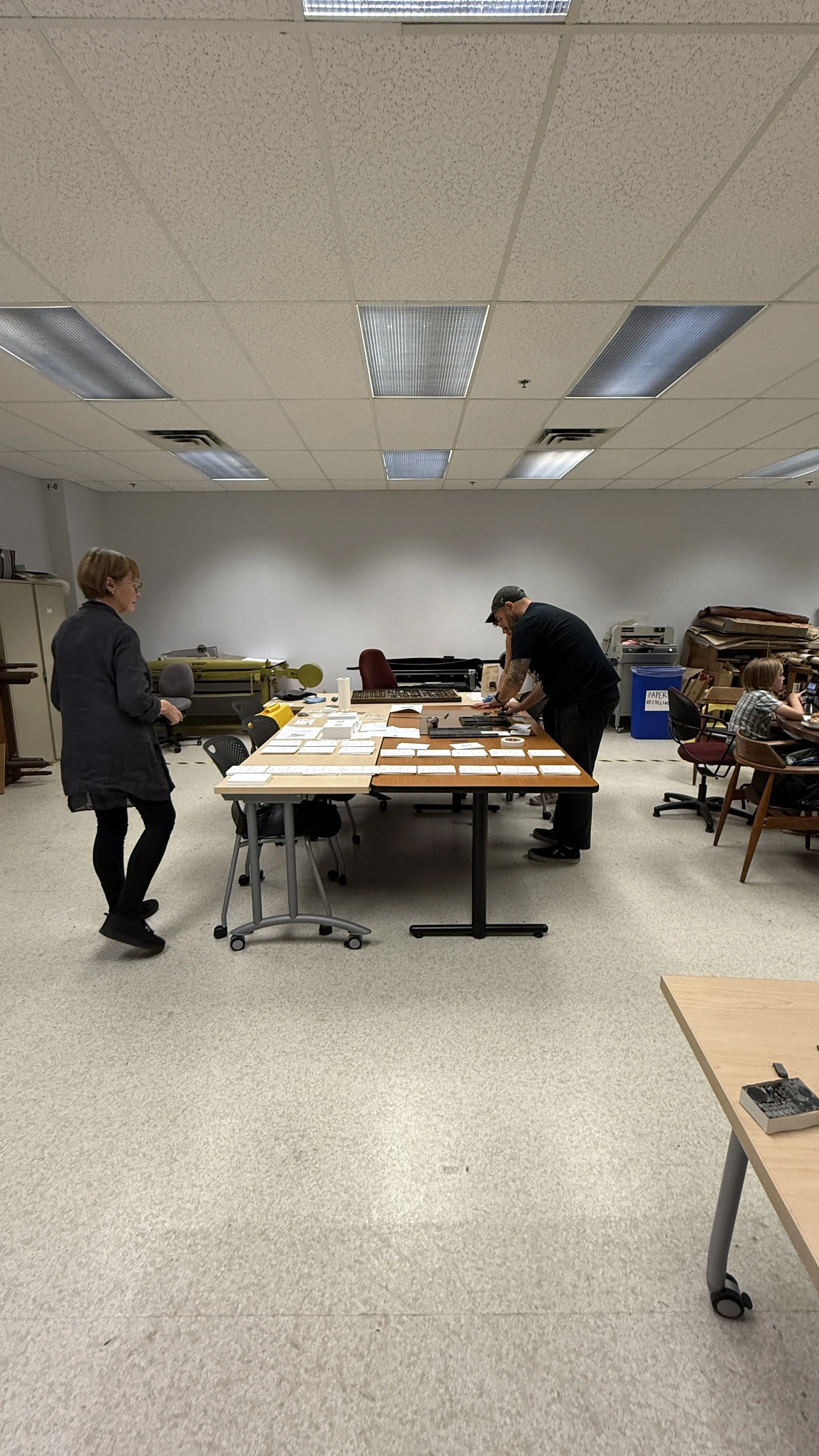
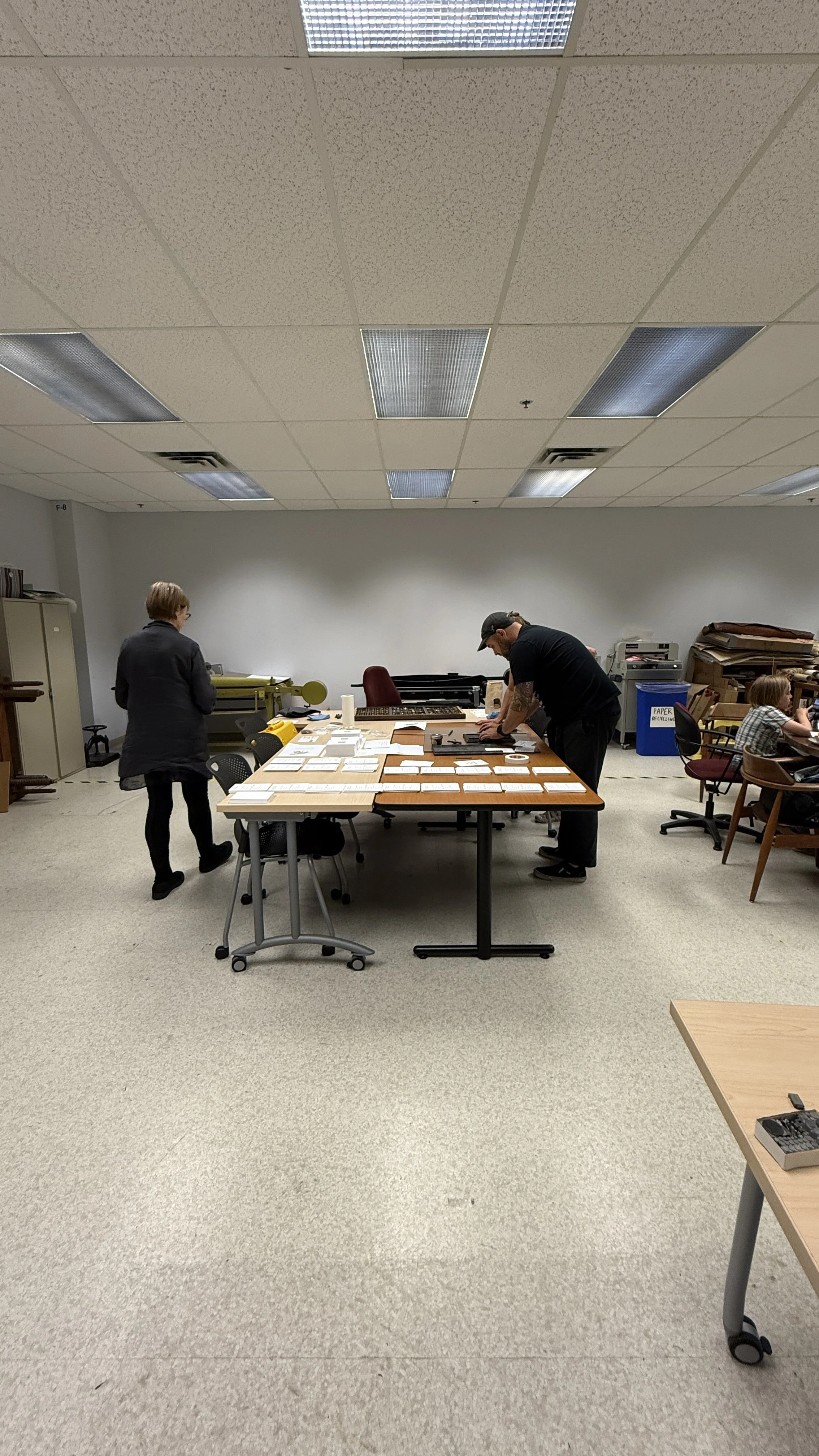
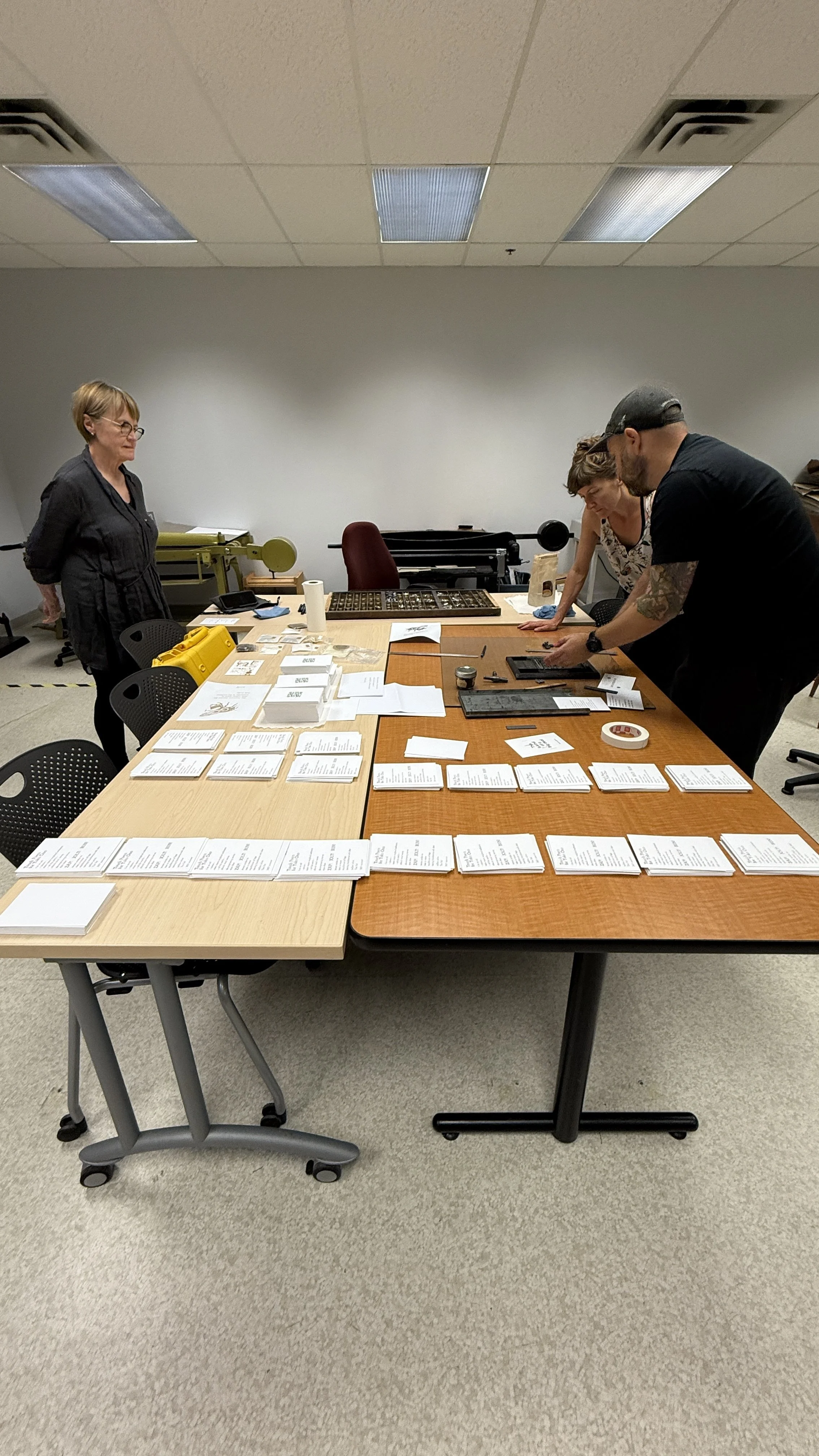
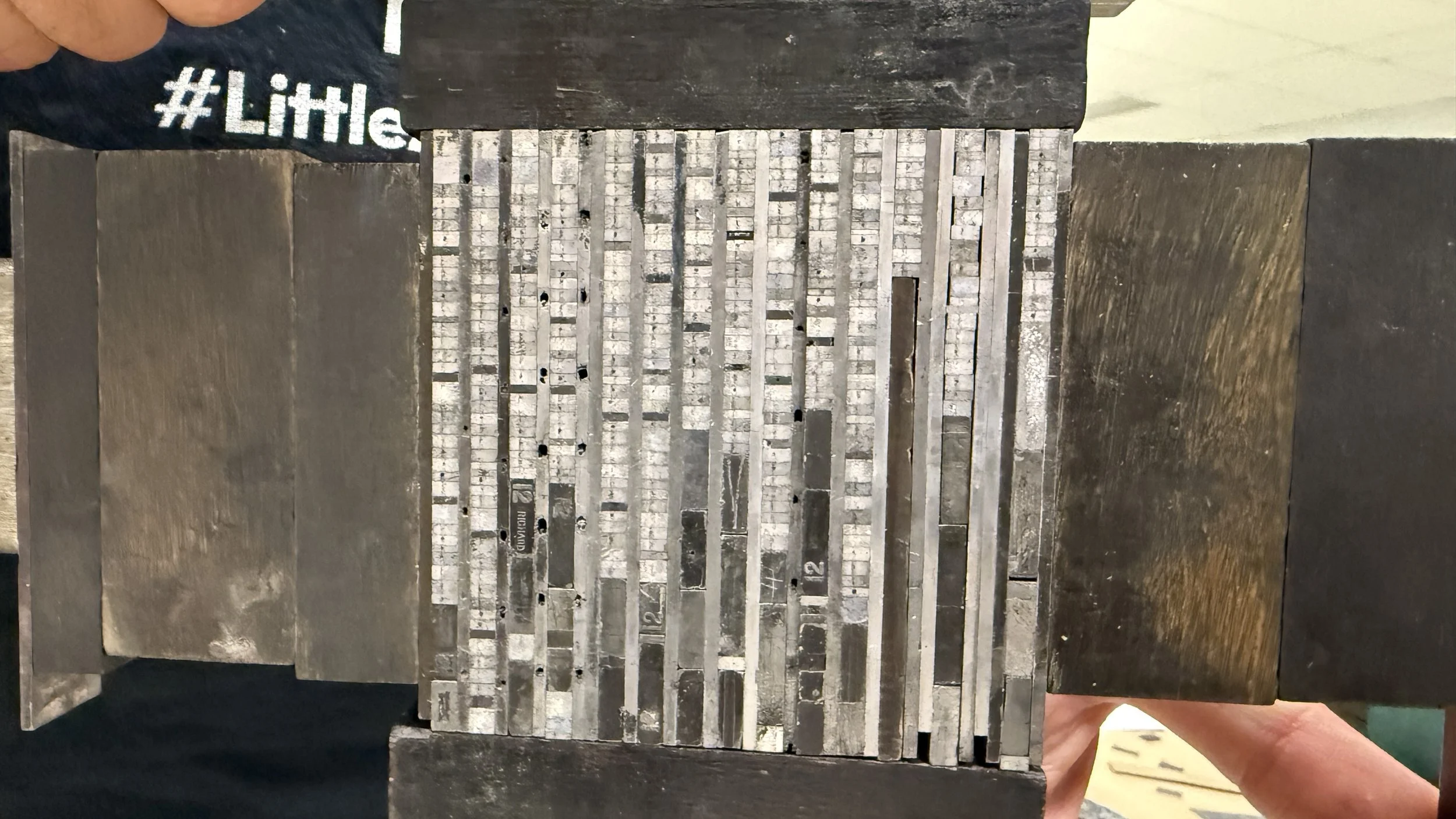
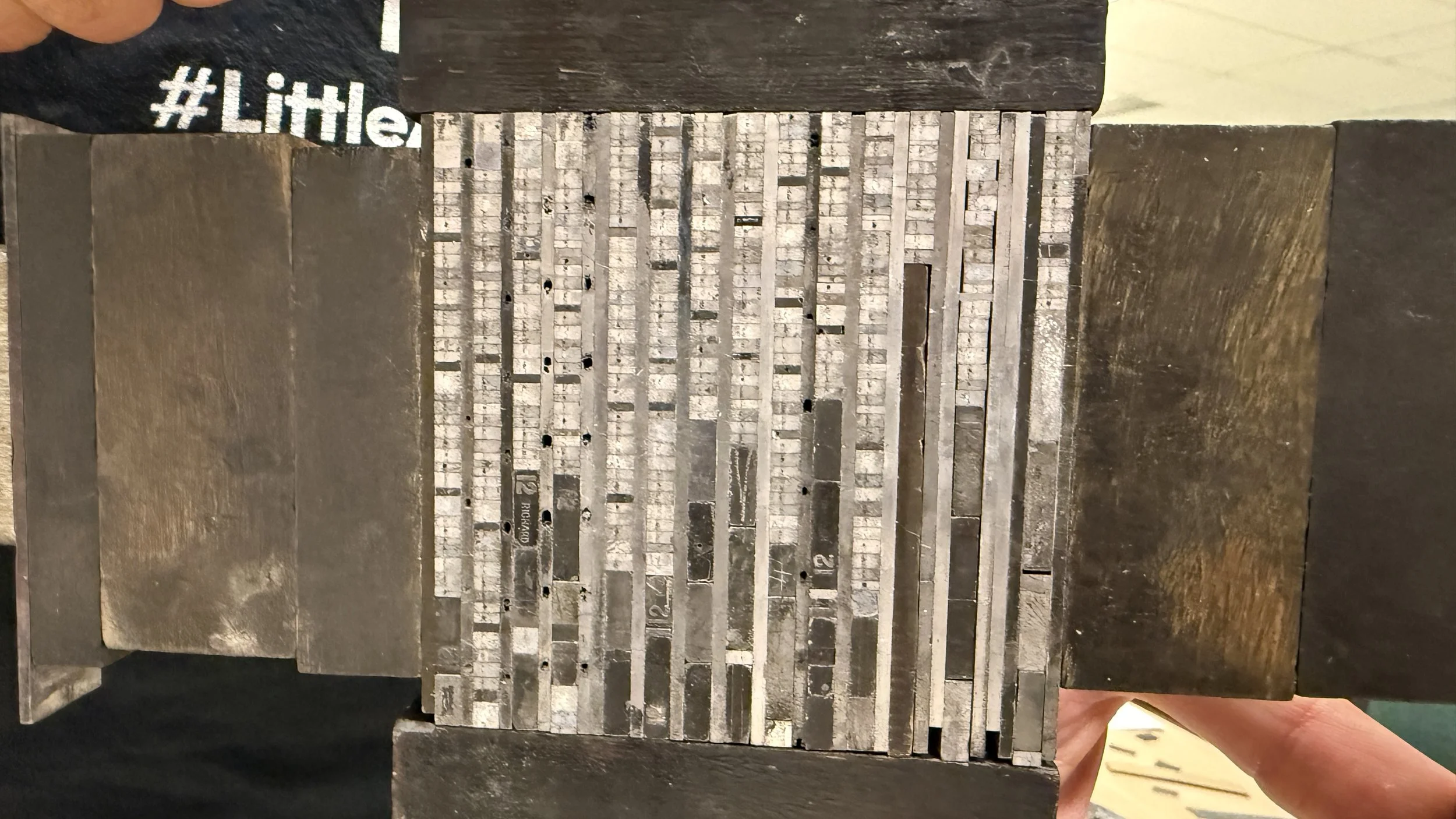
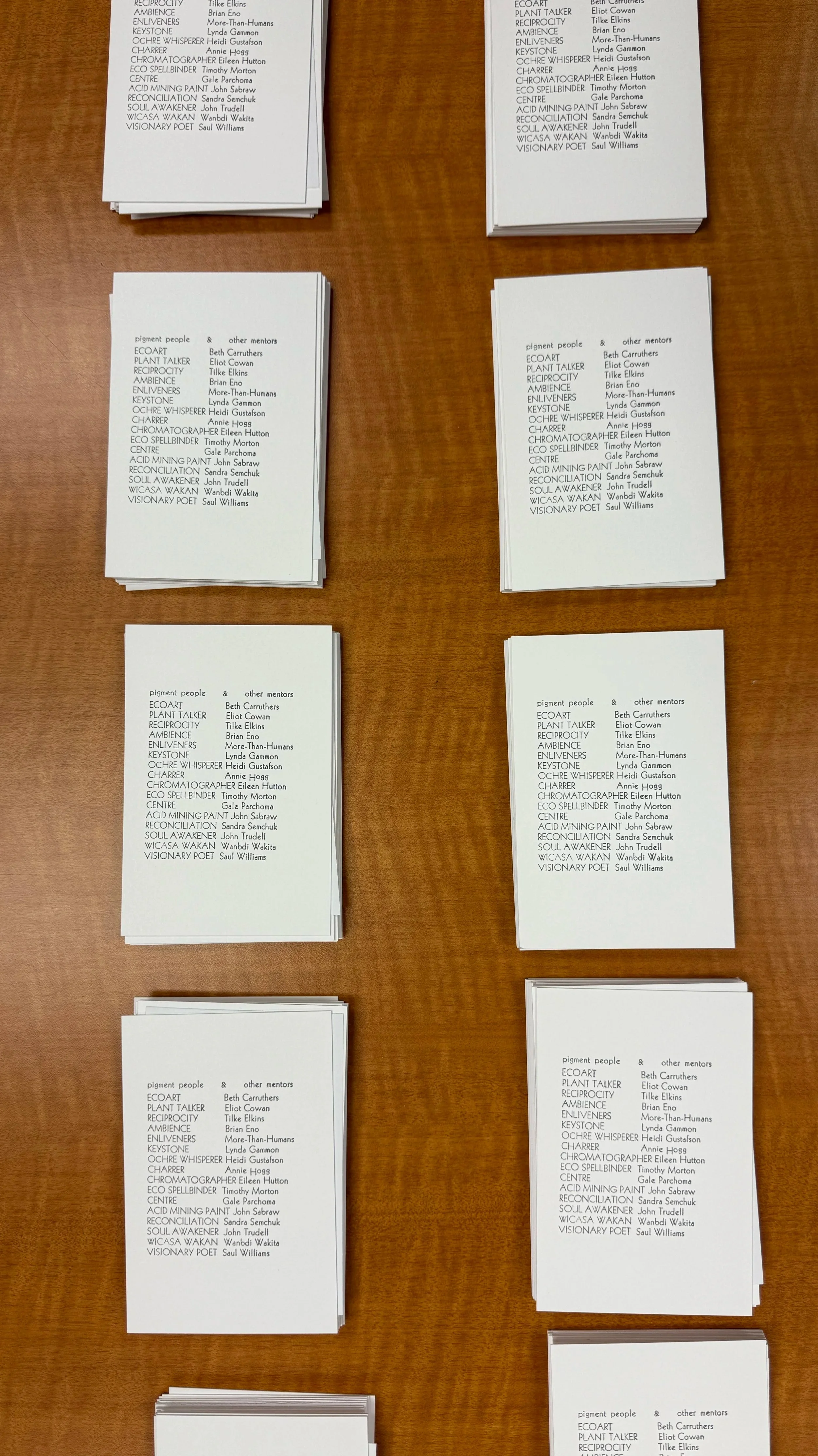
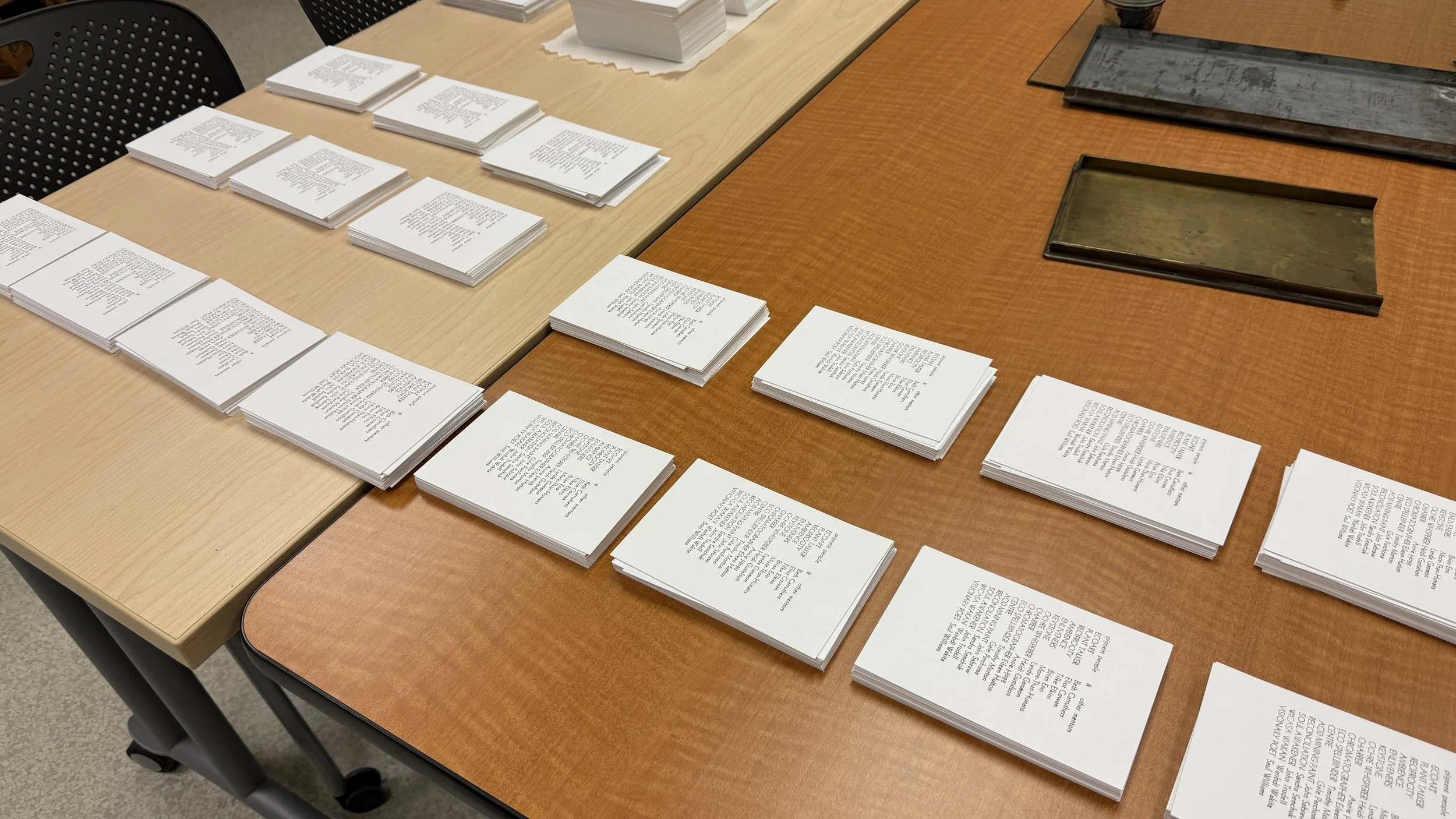
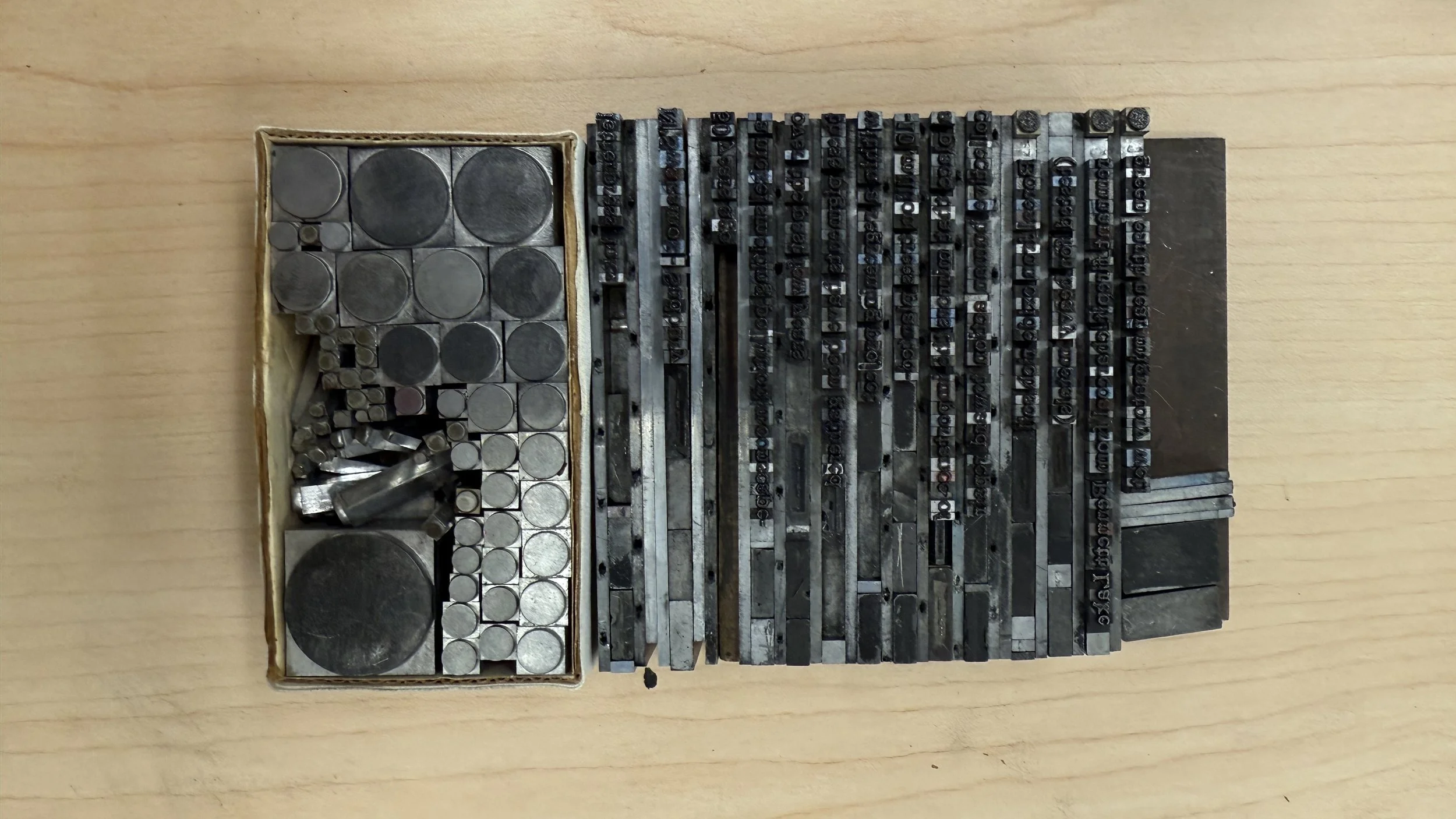
This project embraces a deep engagement with the land through colour, sounds and words transferred to 1000 pages and extended to online and exhibition encounters. sounds are pigments are places describes the trajectory of our collaboration as ee portal, which has always been a project of joint authorship that critically questions the capitalist and colonial status quo, and engages in transdisciplinary actions. This cumulative research in sound art, pigments and ecomaterial processes will form a series of 20 art books of 50 pages each. Within these 1000 pages, we have experimented with letterpress printing processes, at the University of Victoria’s Farallon Book Arts Lab. Each book is its own art piece, uniquely made with handcrafted inks from the boreal forest.
Poetic Senses Regreening Skins Within Mass Metal Extraction for Planetary Aims
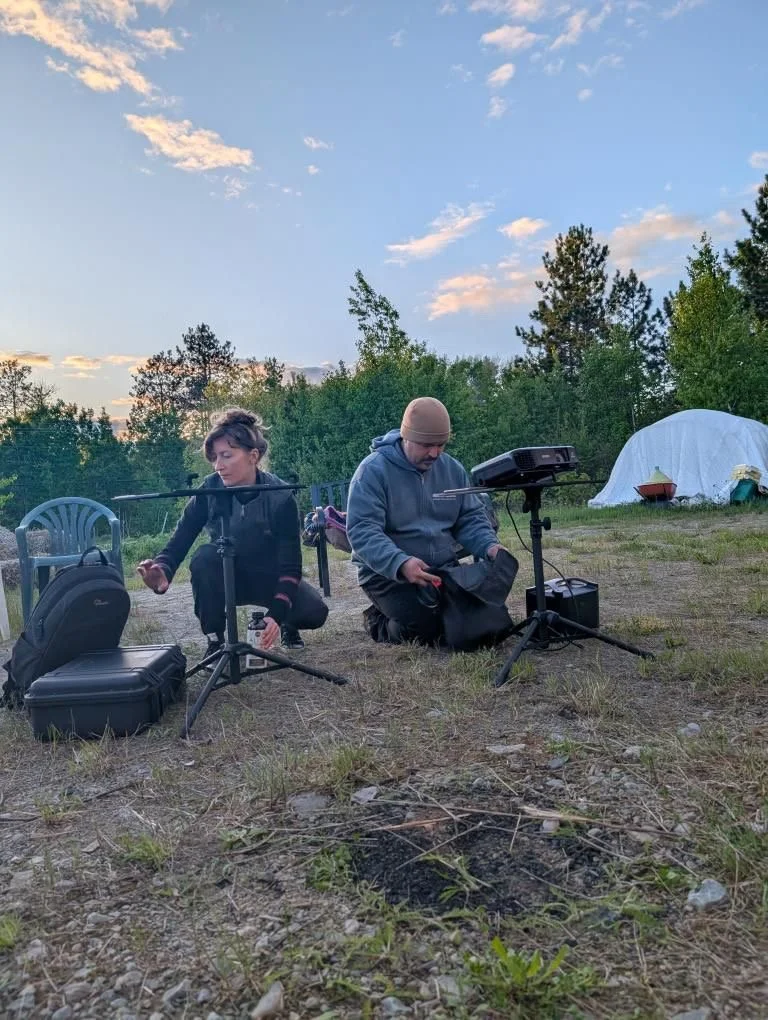
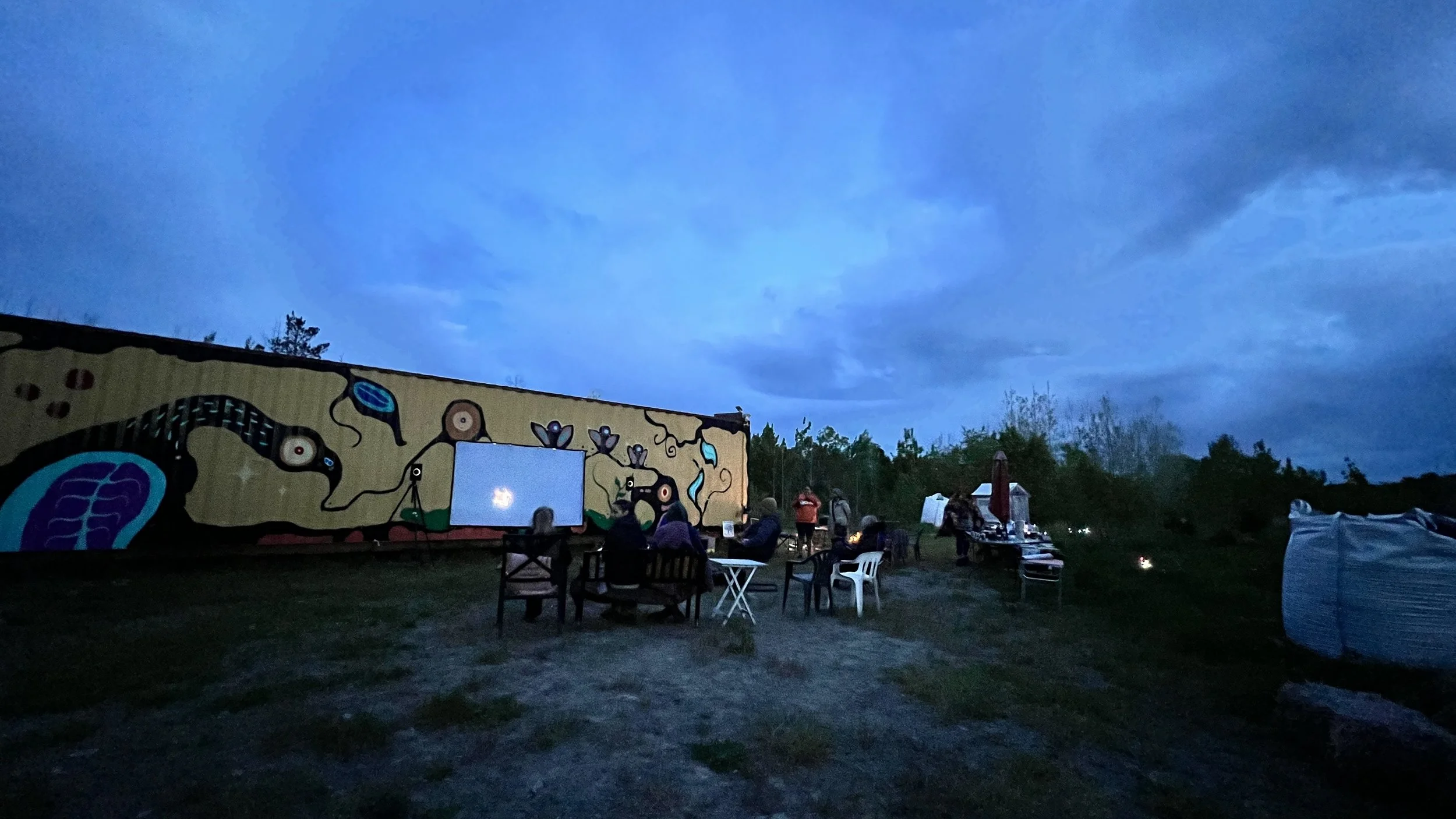
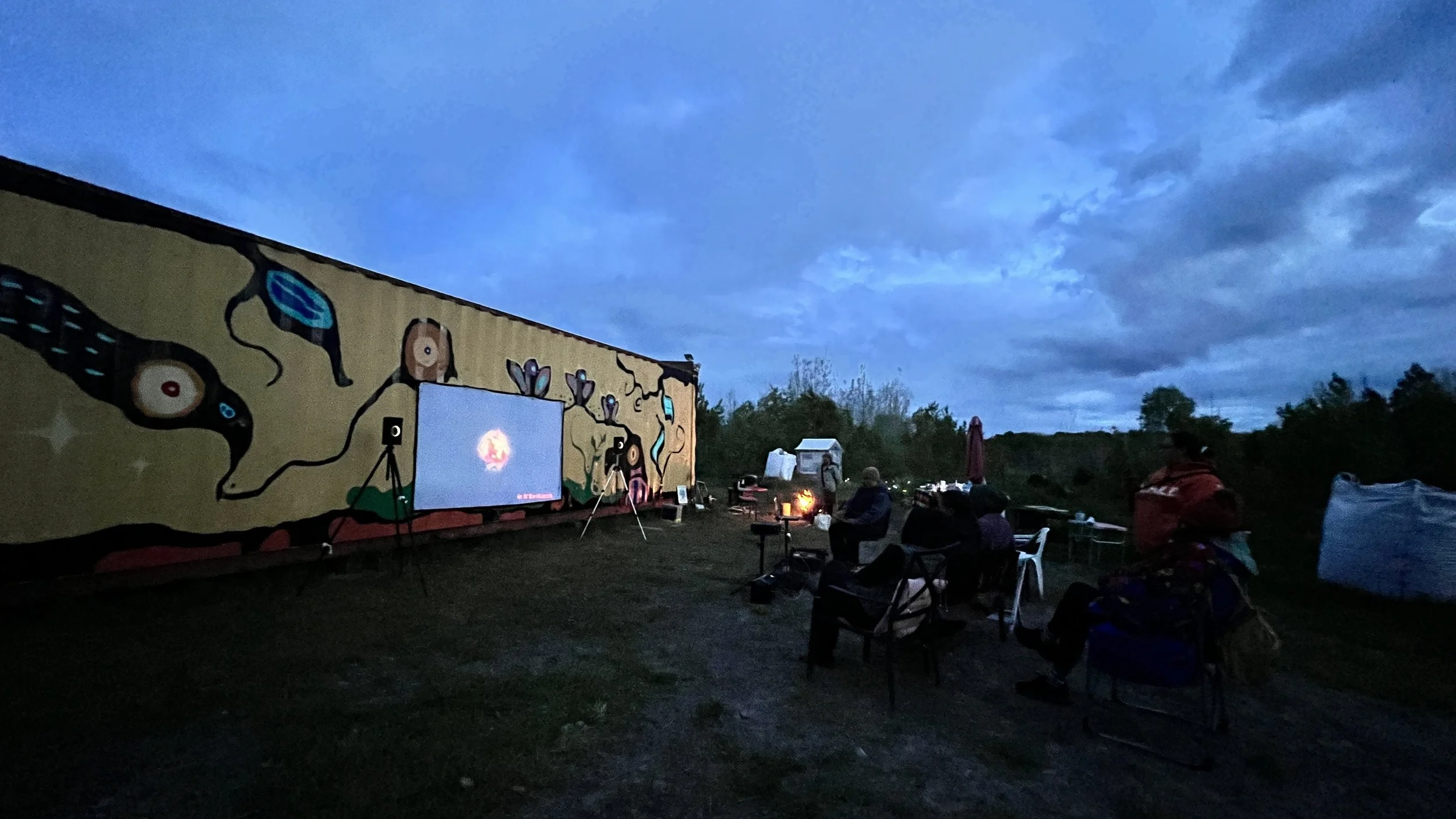
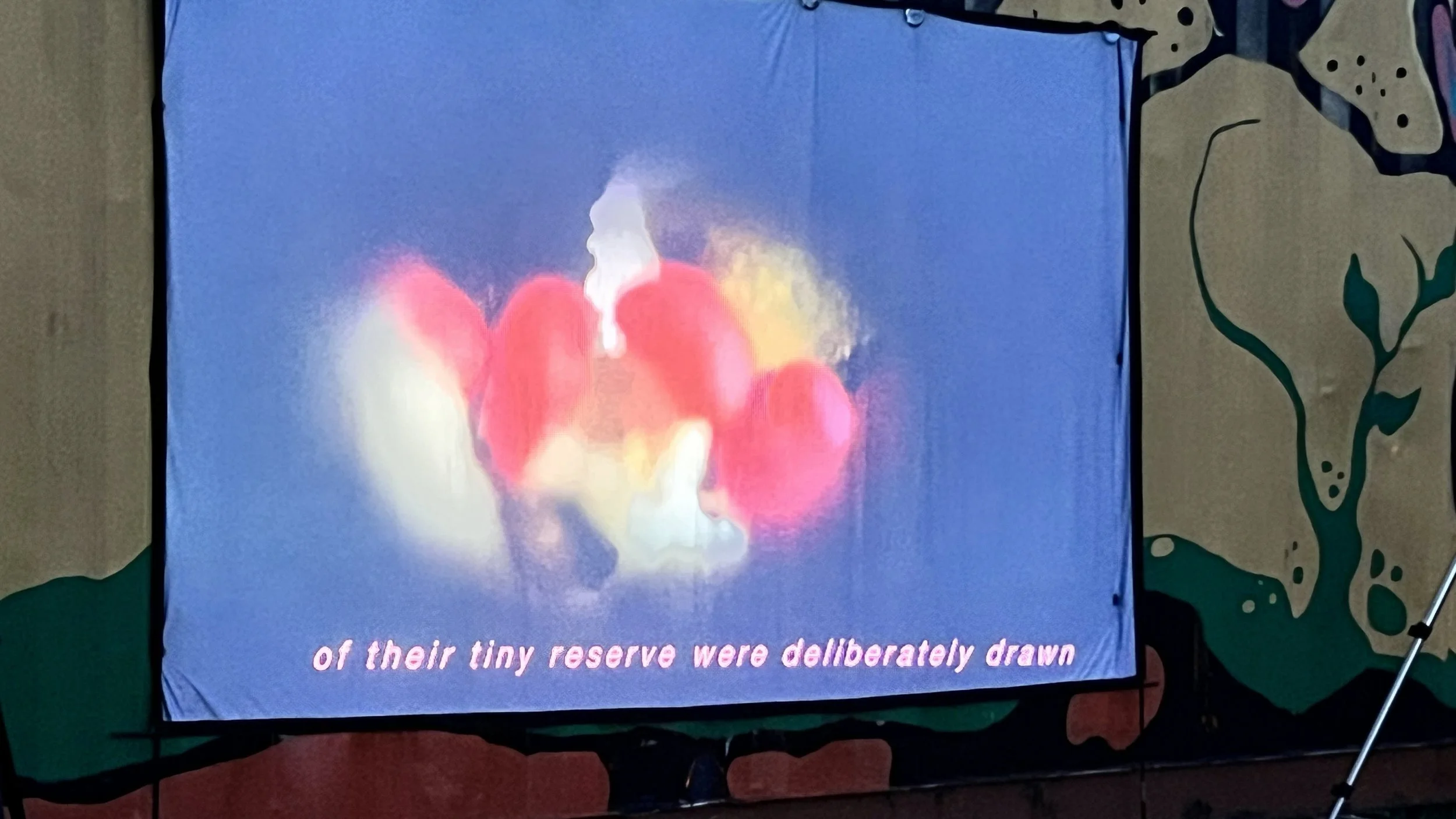
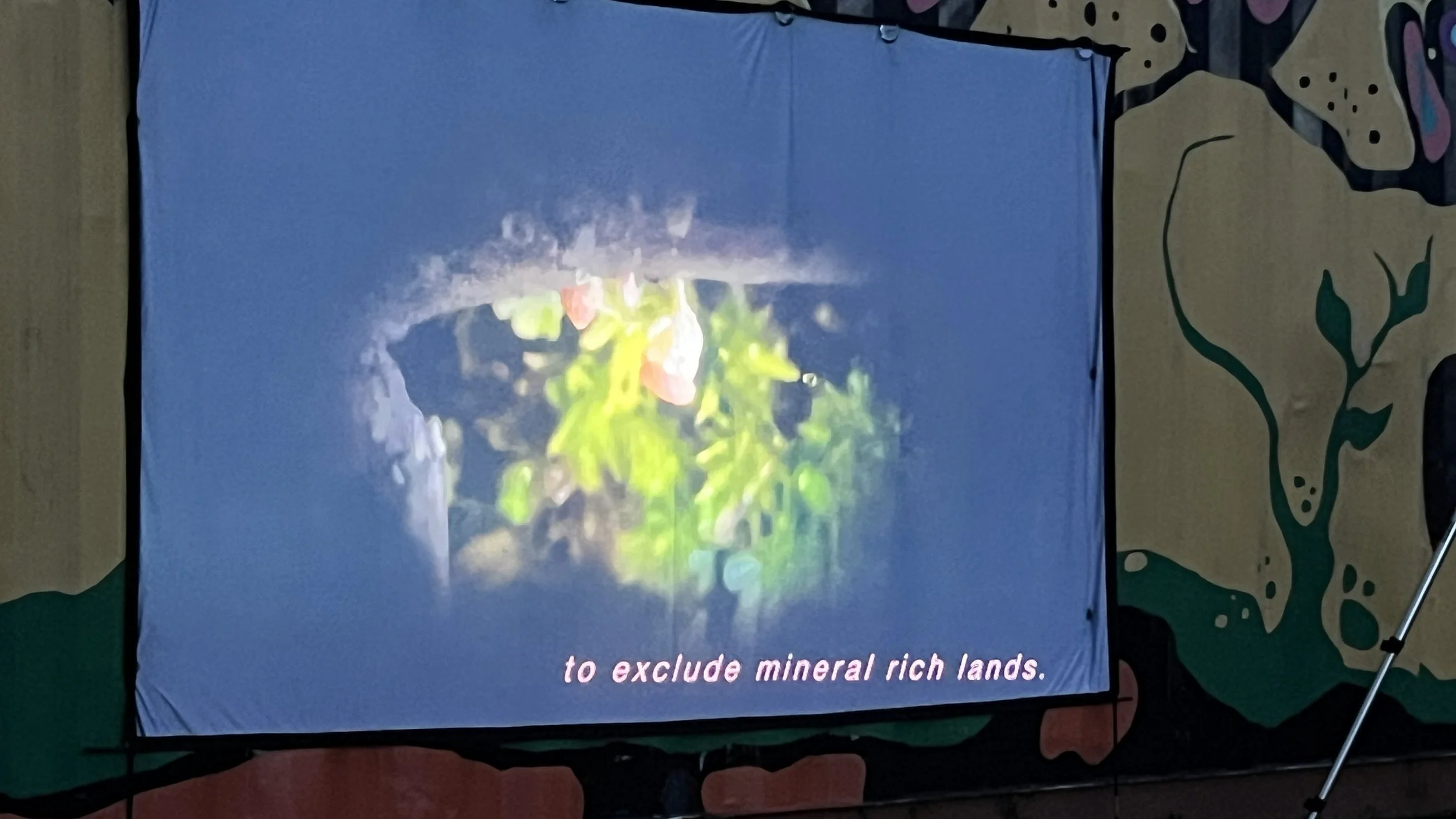
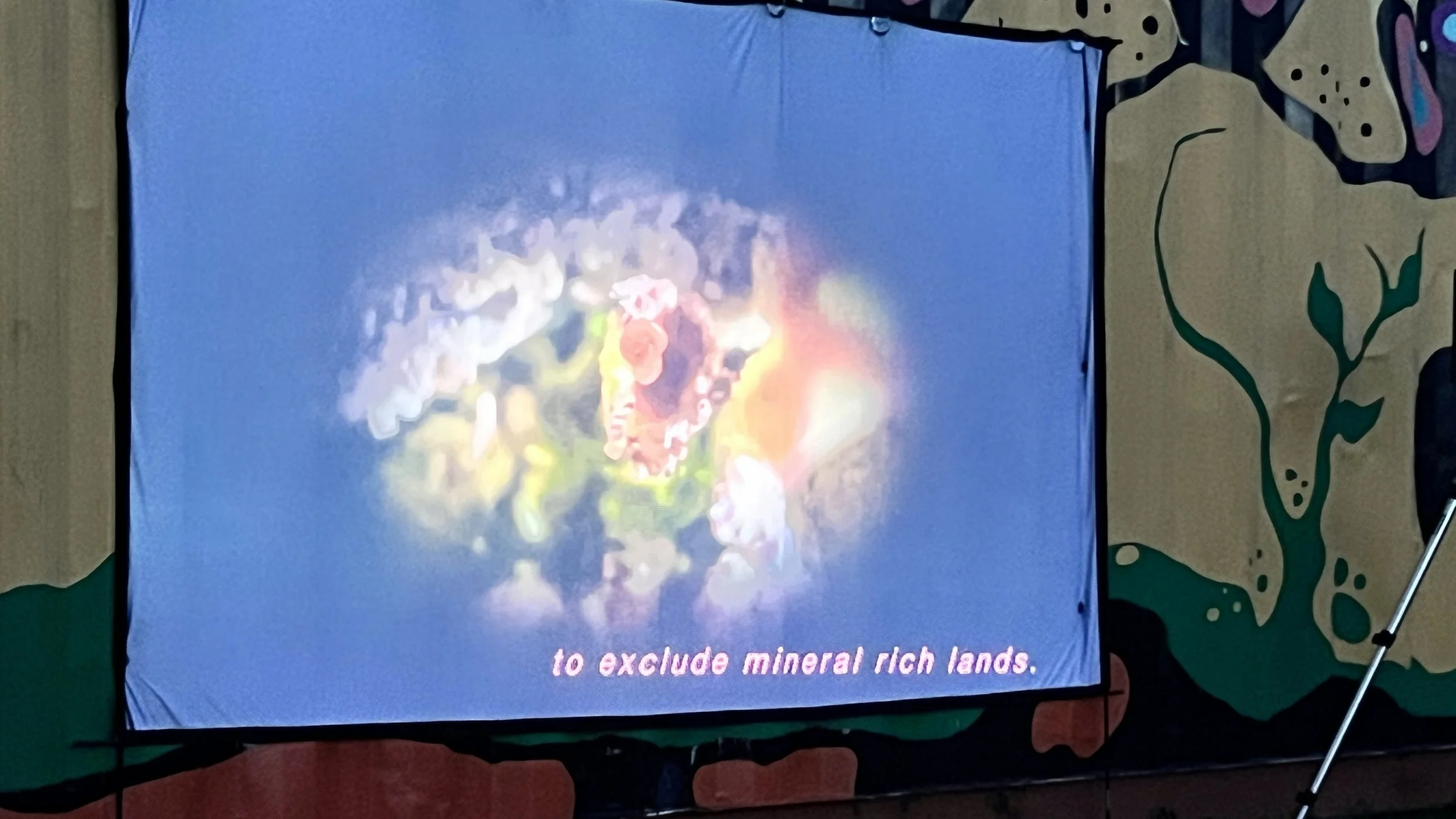
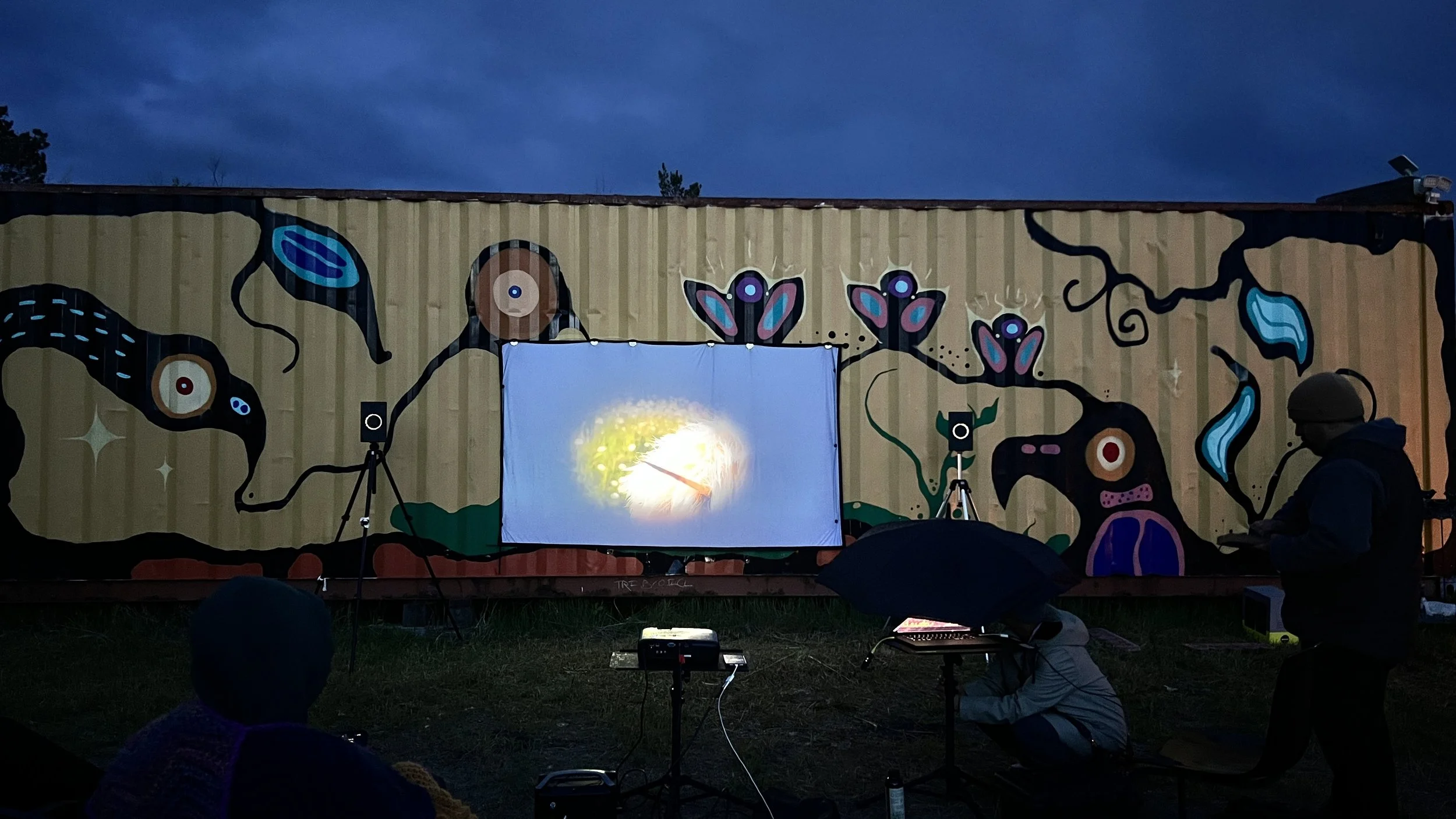
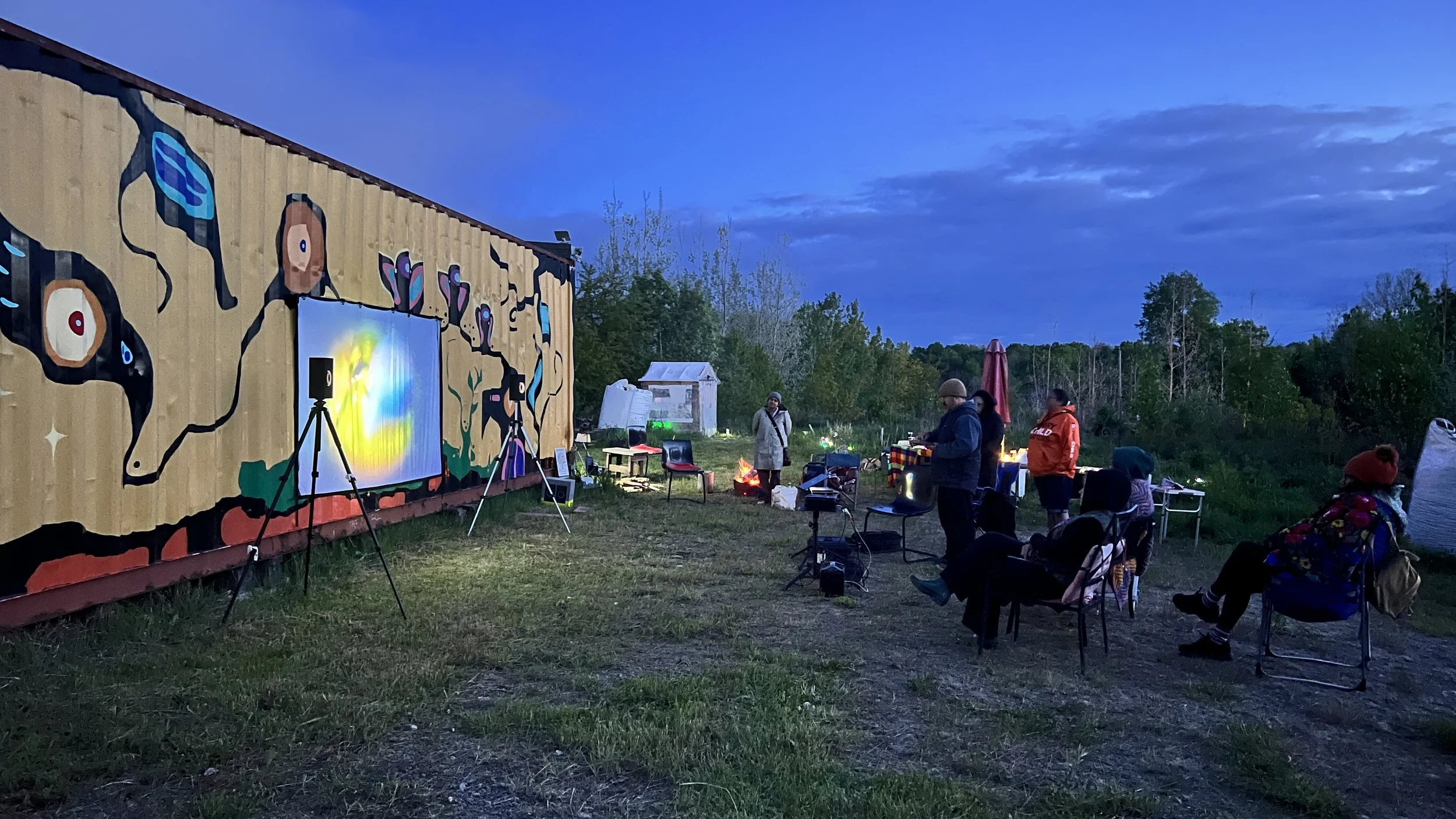
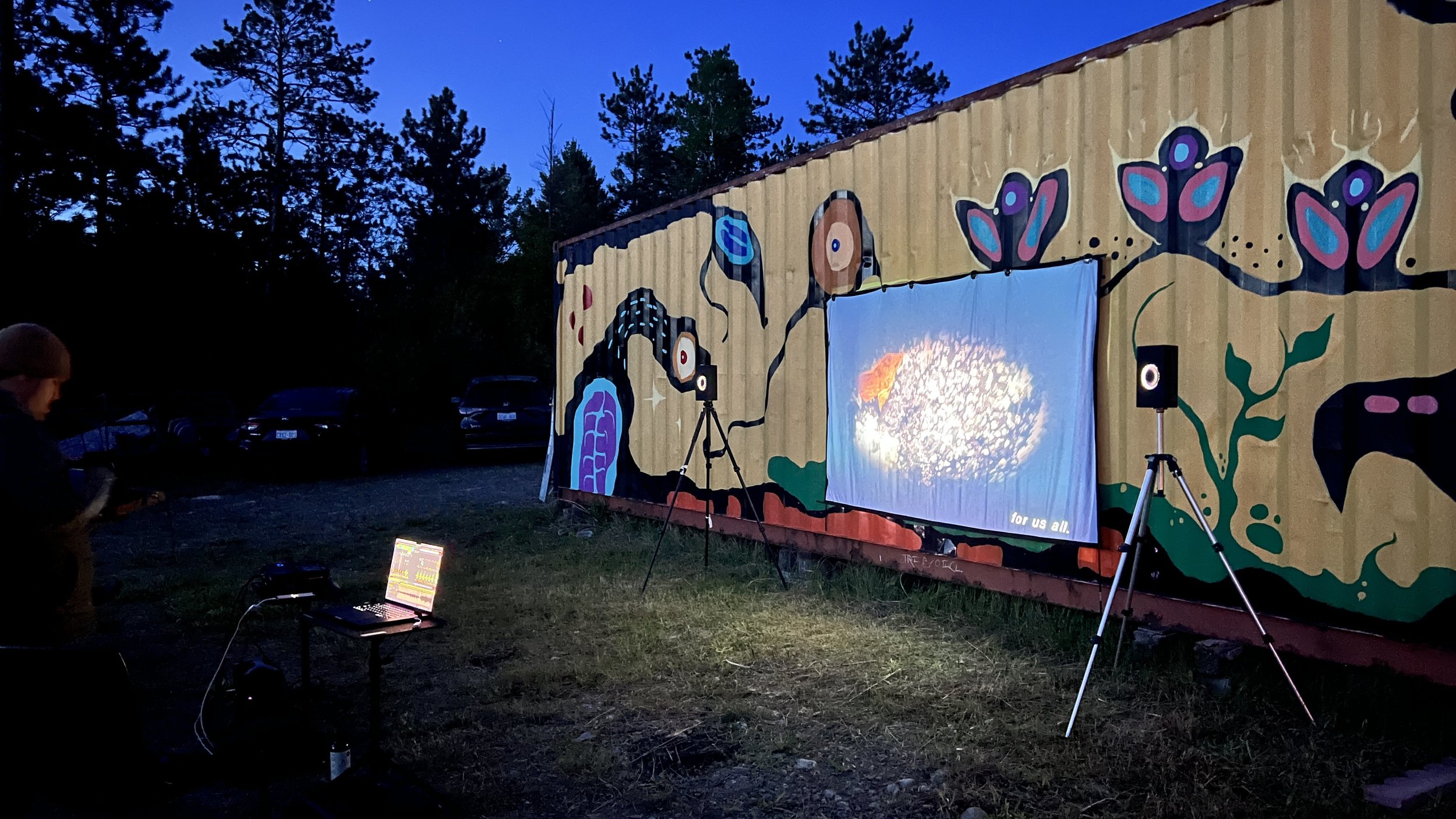
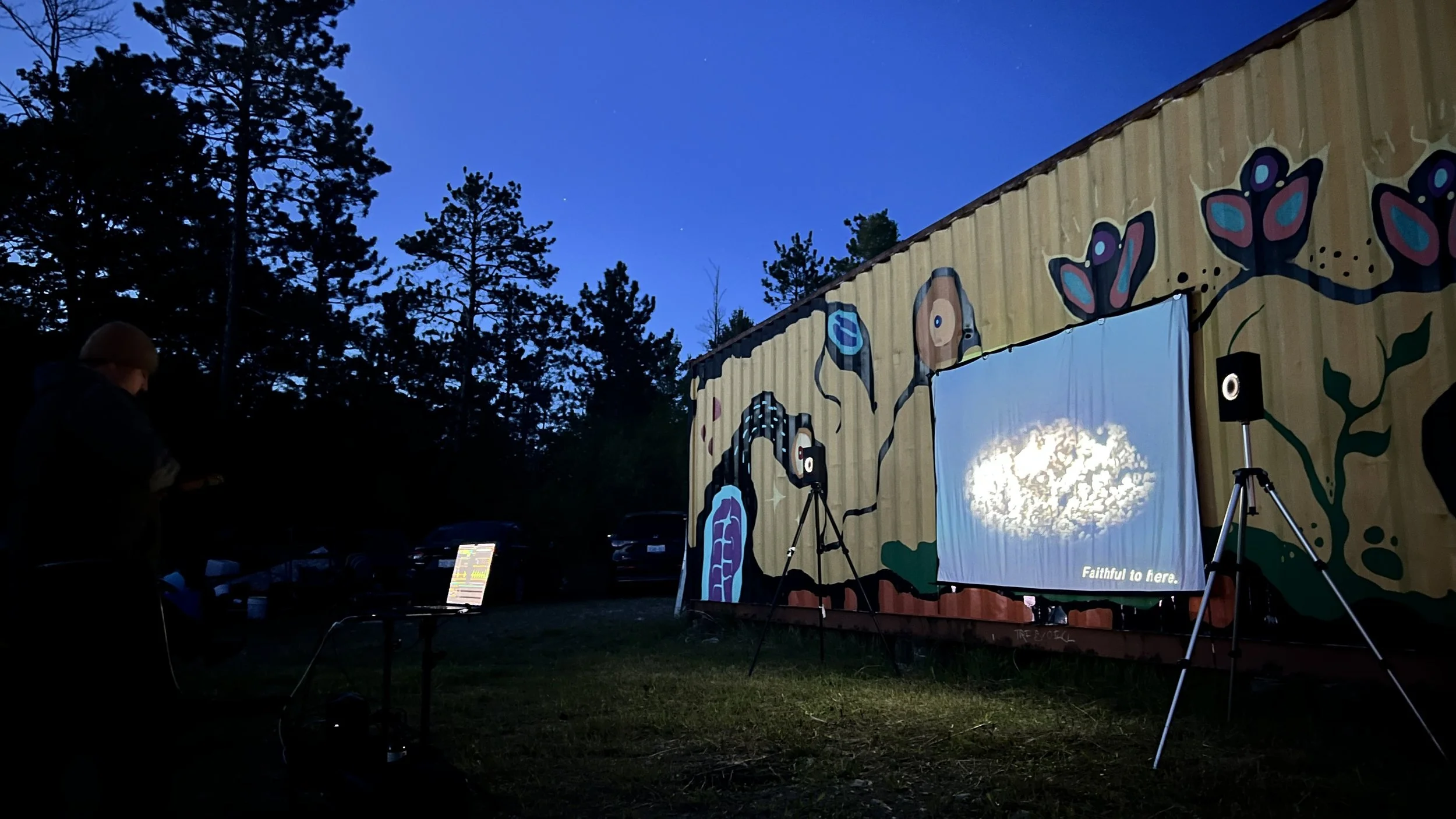
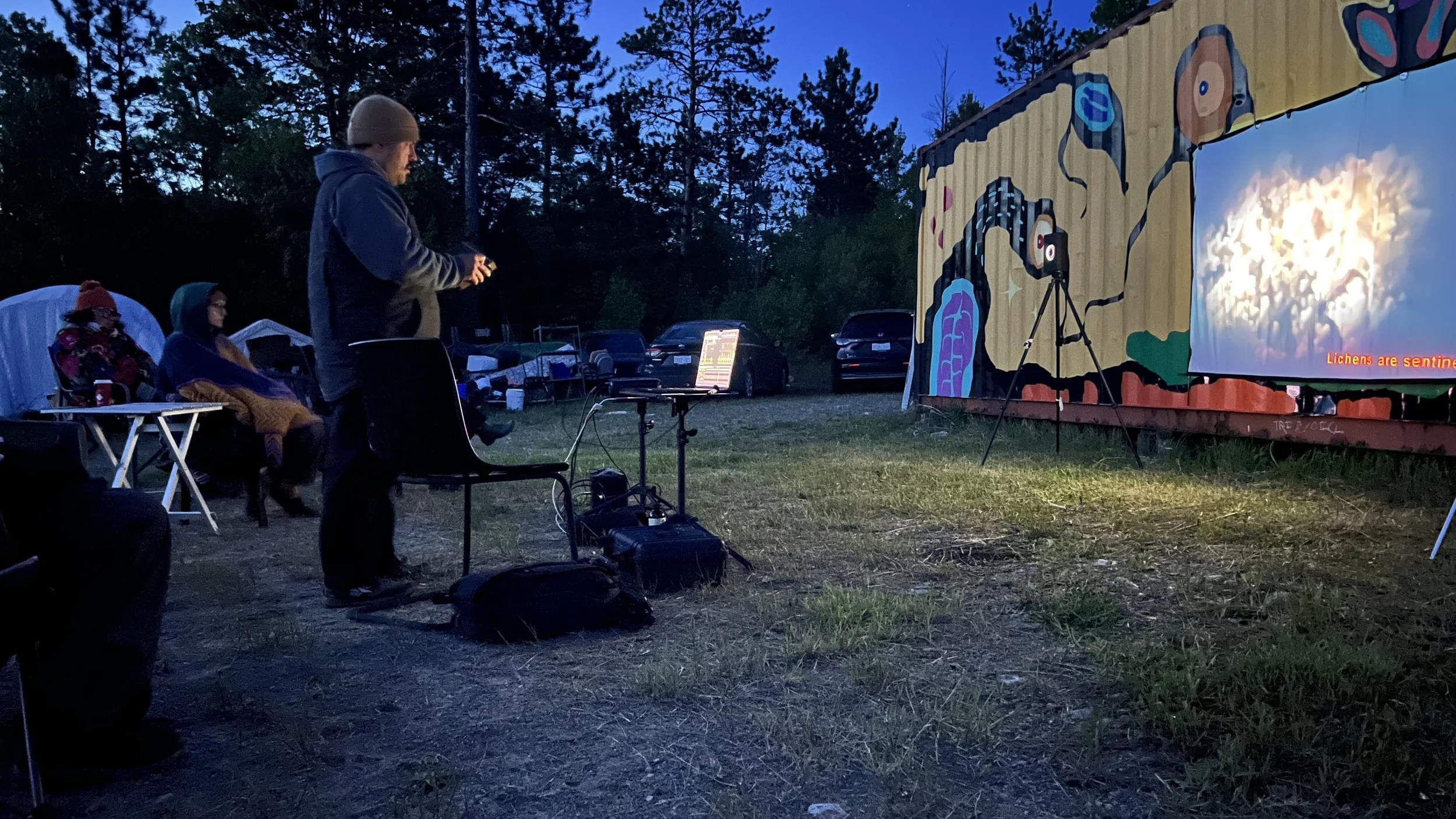
Poetic Senses Regreening Skins Within Mass Metal Extraction for Planetary Aims.
Atikameksheng Anishnawbek. May 31, 2025.
-
Poetic Senses Regreening Skins Within Mass Metal Extraction for Planetary Aims
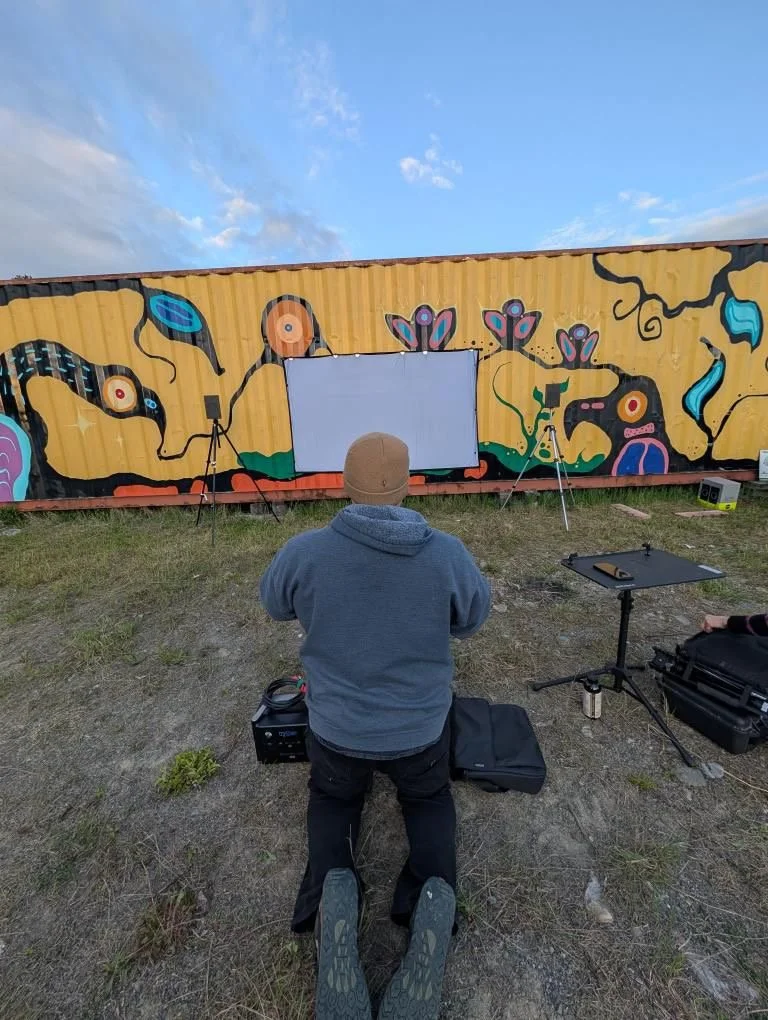
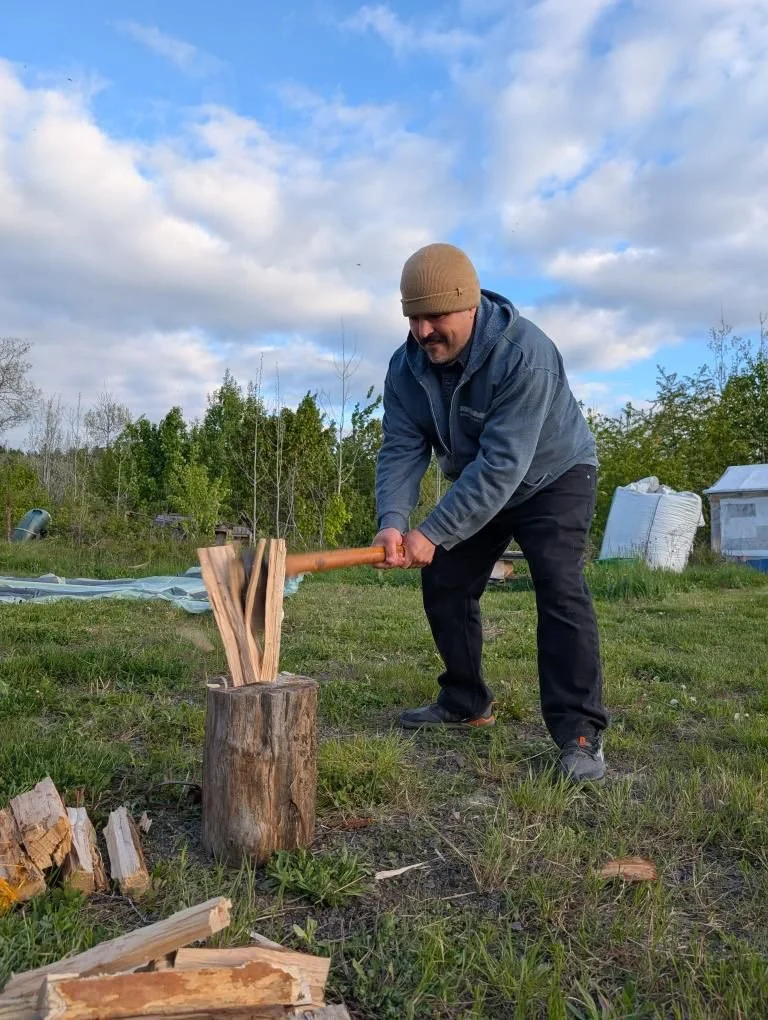
Vulnerable, spontaneous interarts work acknowledging the sacrifices involved in an energy transition, while nickel tailings spill into waterways within 10 million hopeful regreening saplings.
The improvised score was performed and recorded live by Emilio Portal on May 31, 2025 at Manidoo Bineshii Dreams in Atikameksheng Anishnawbek.
Supported by the Ontario Arts Council.
mashkikike
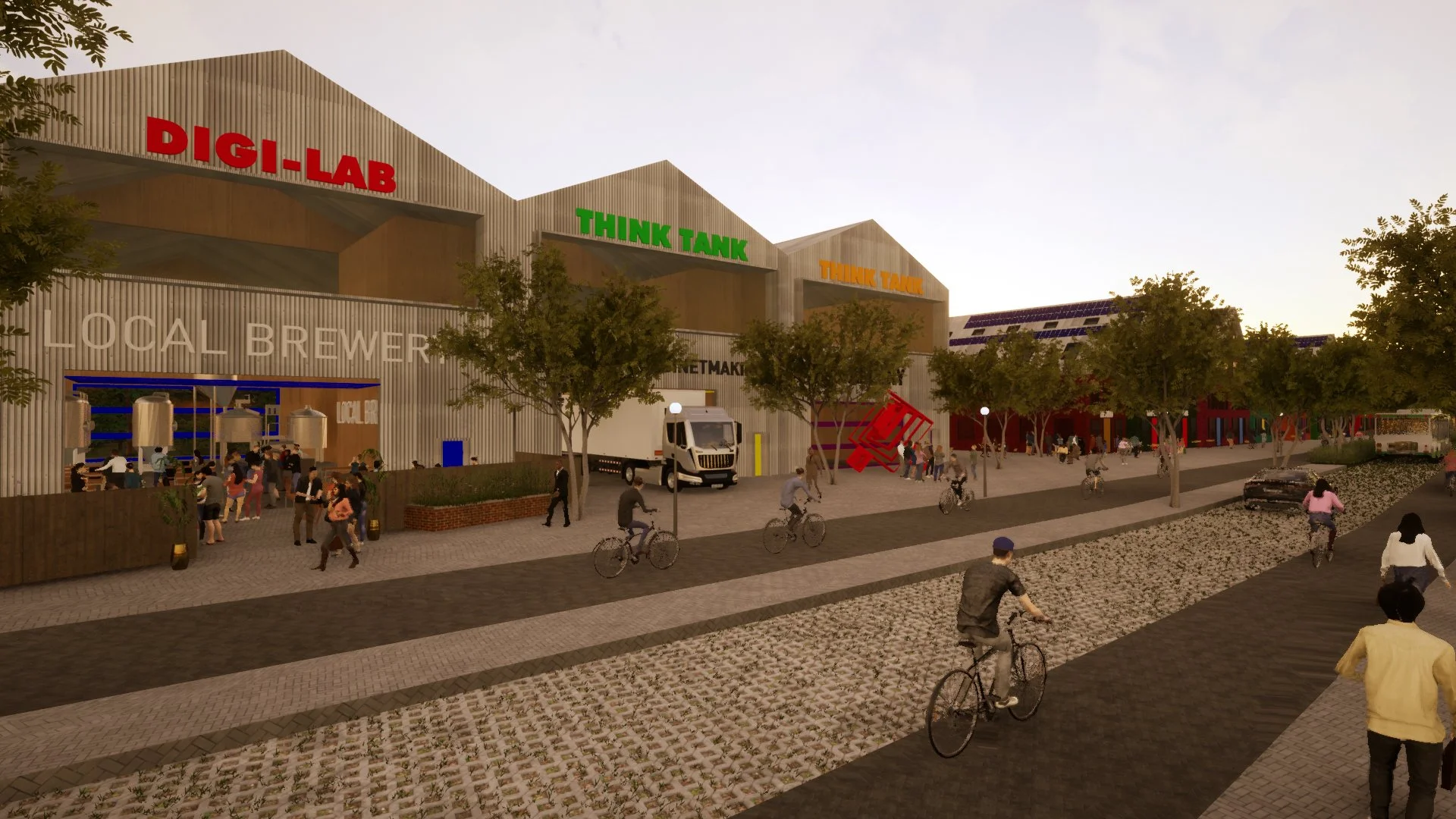
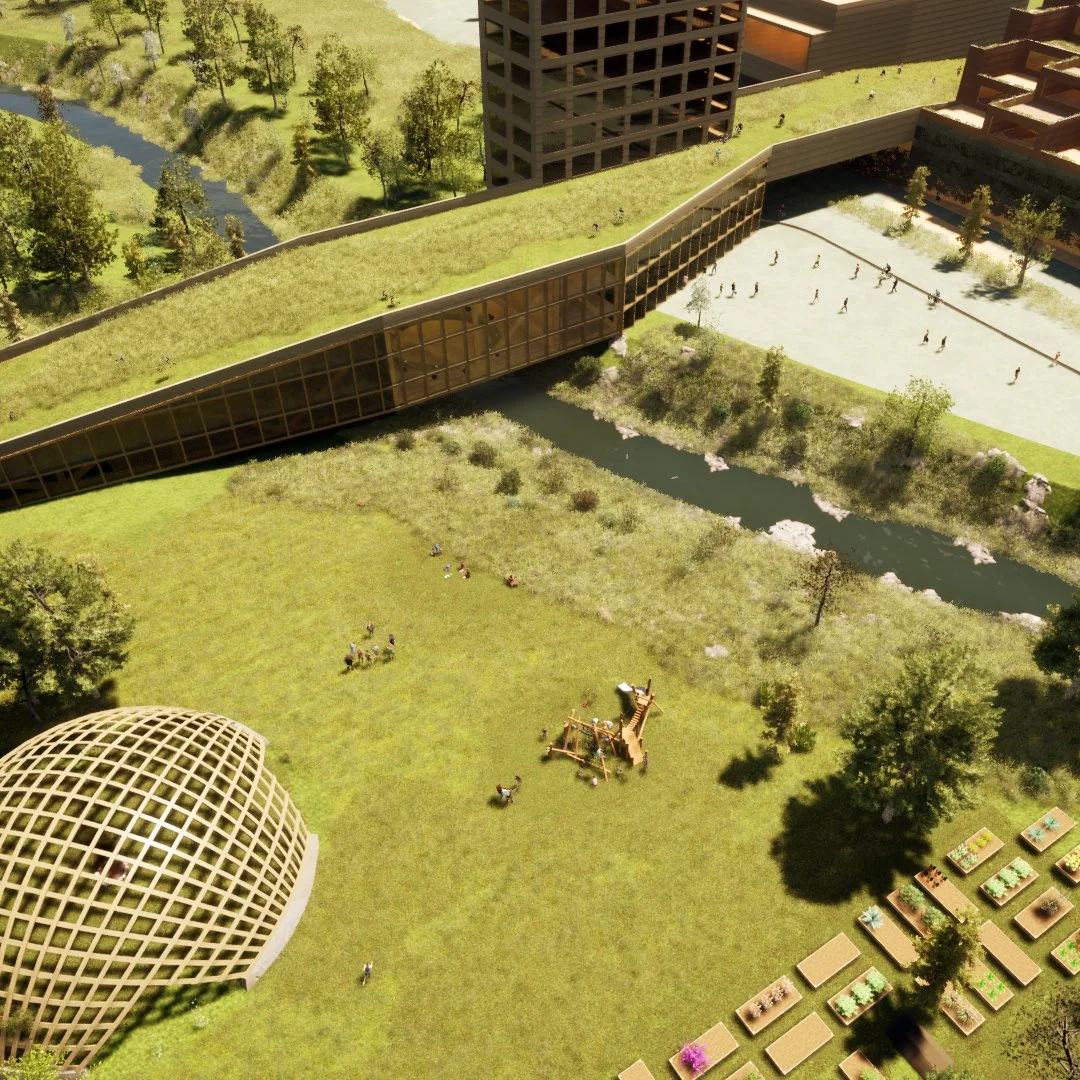
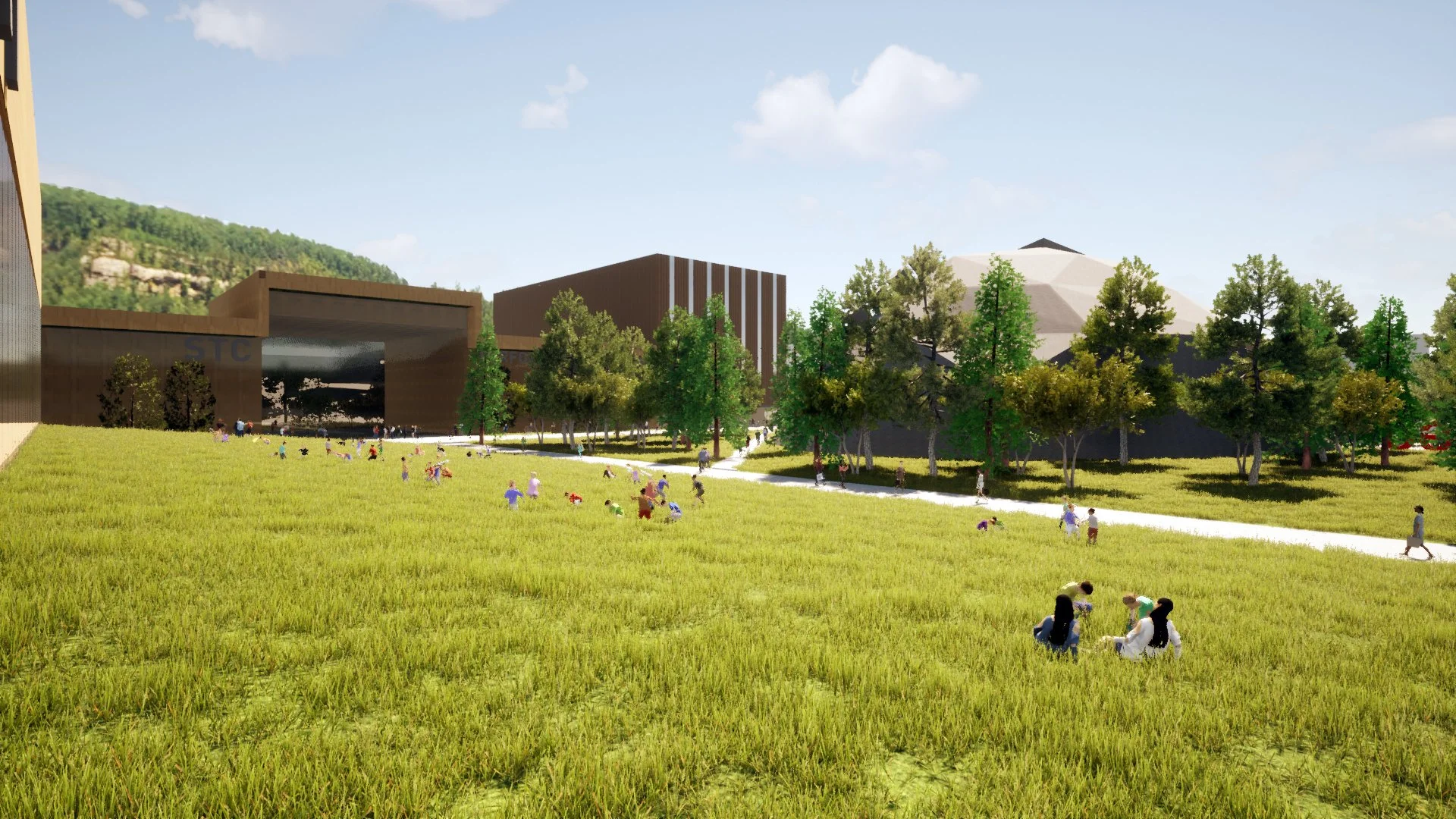
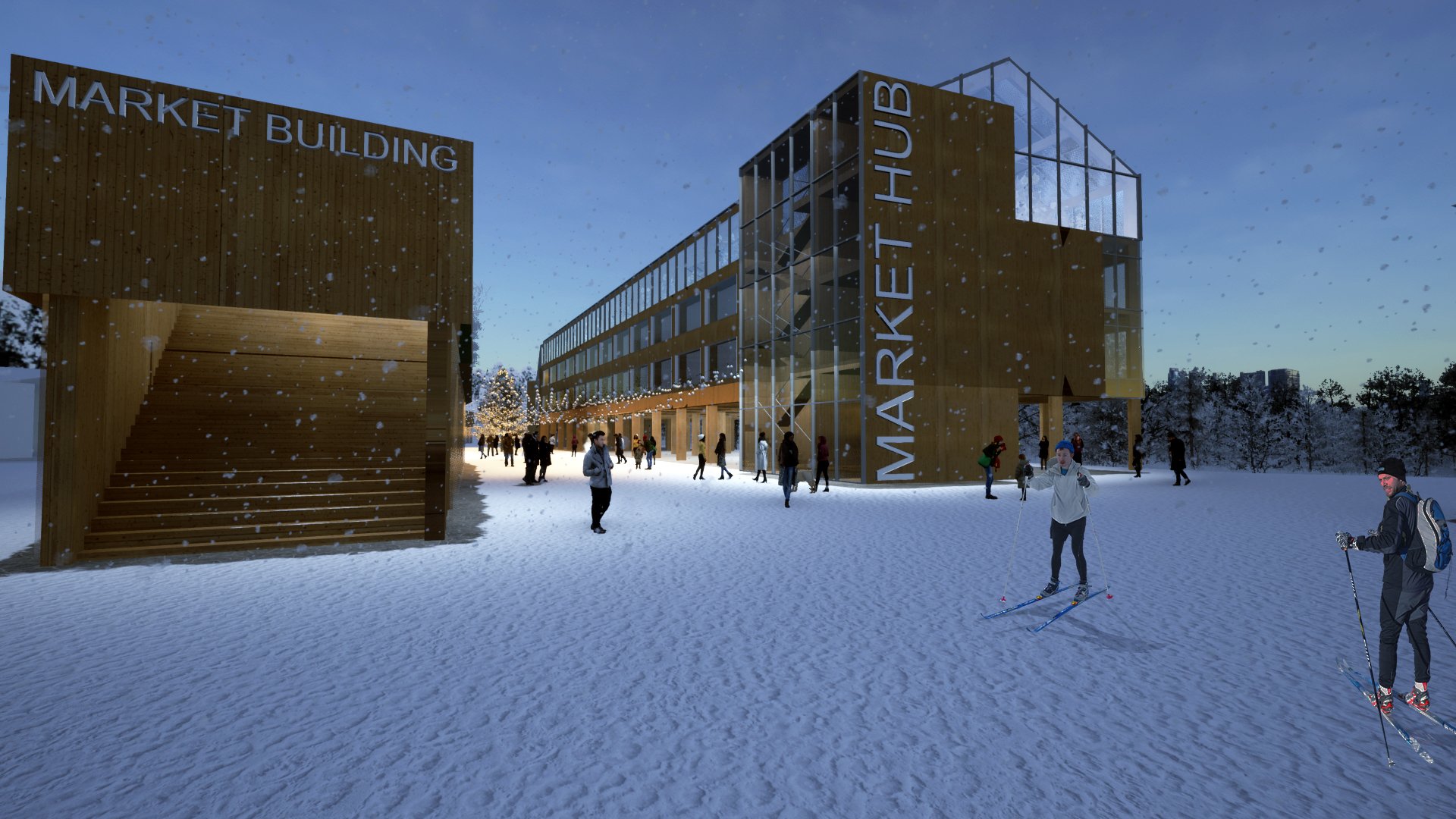
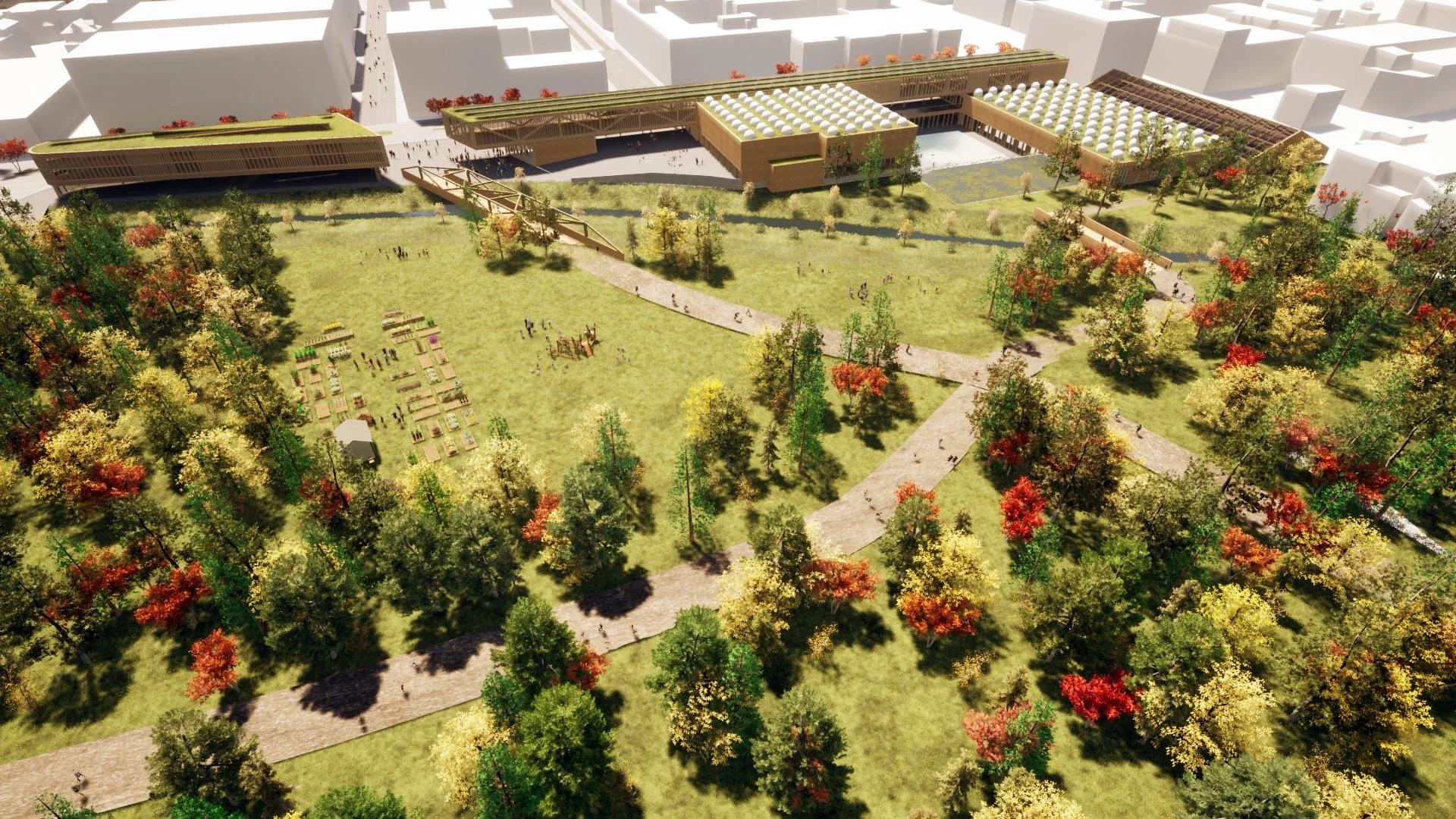
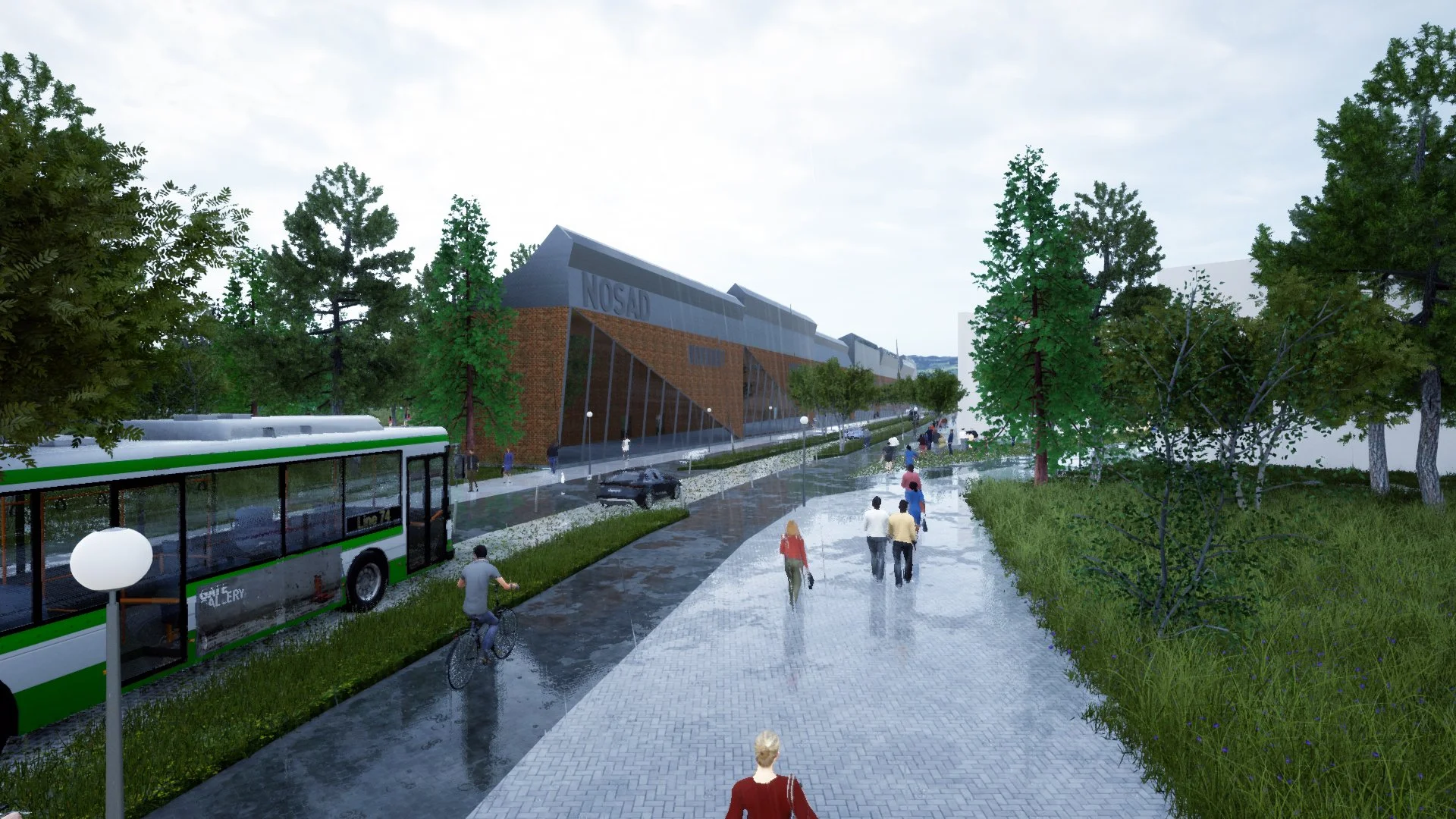
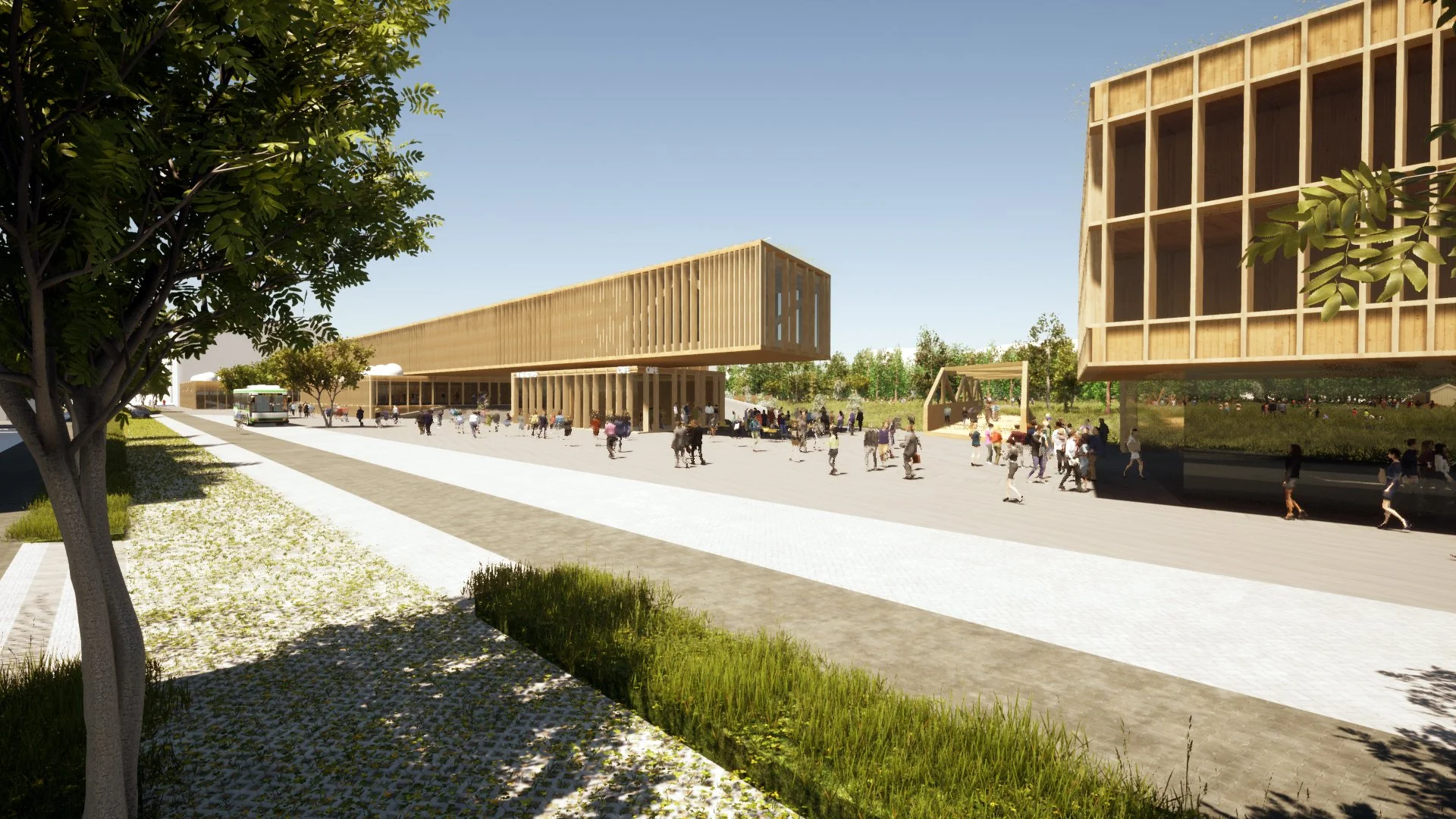
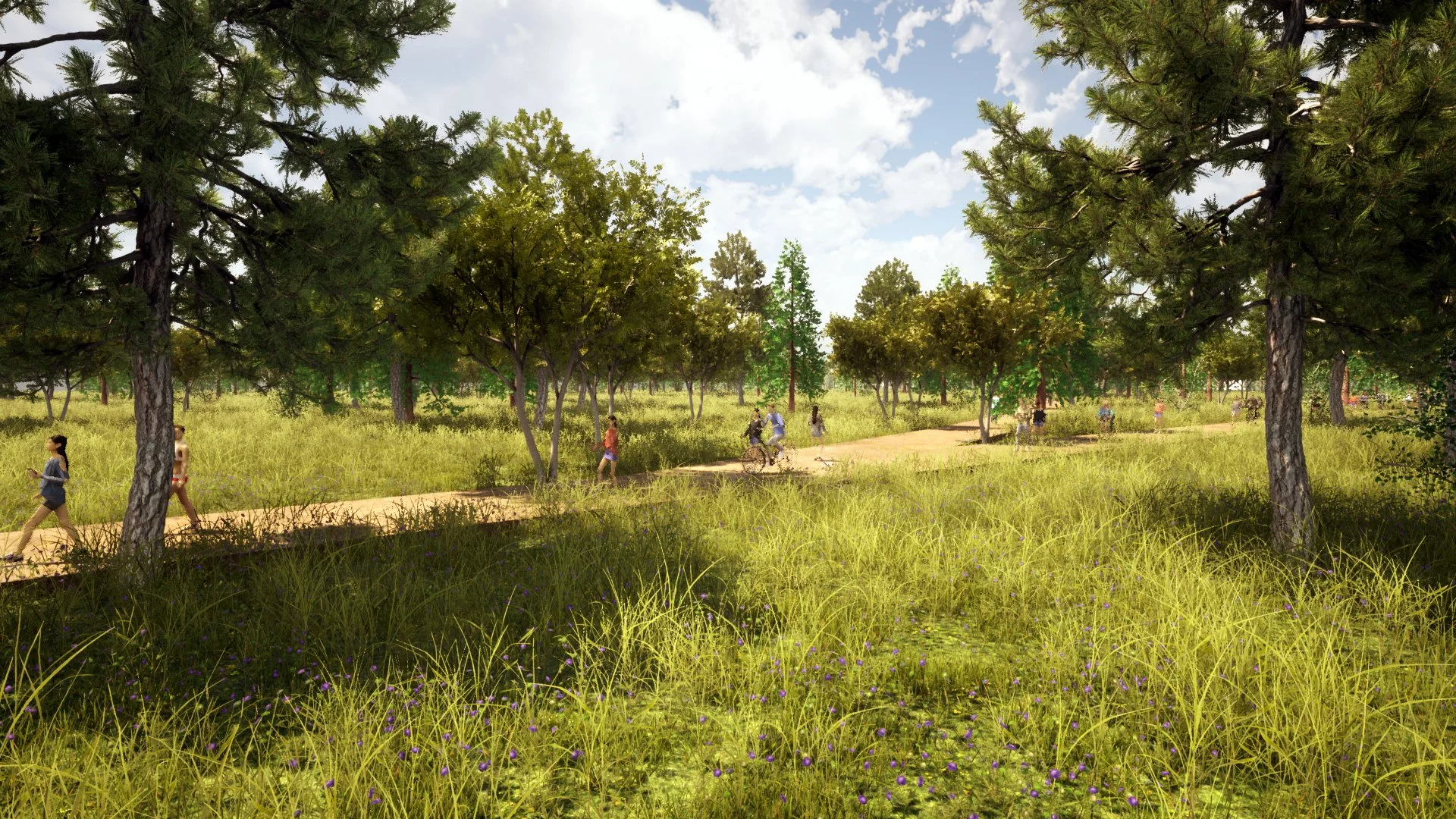
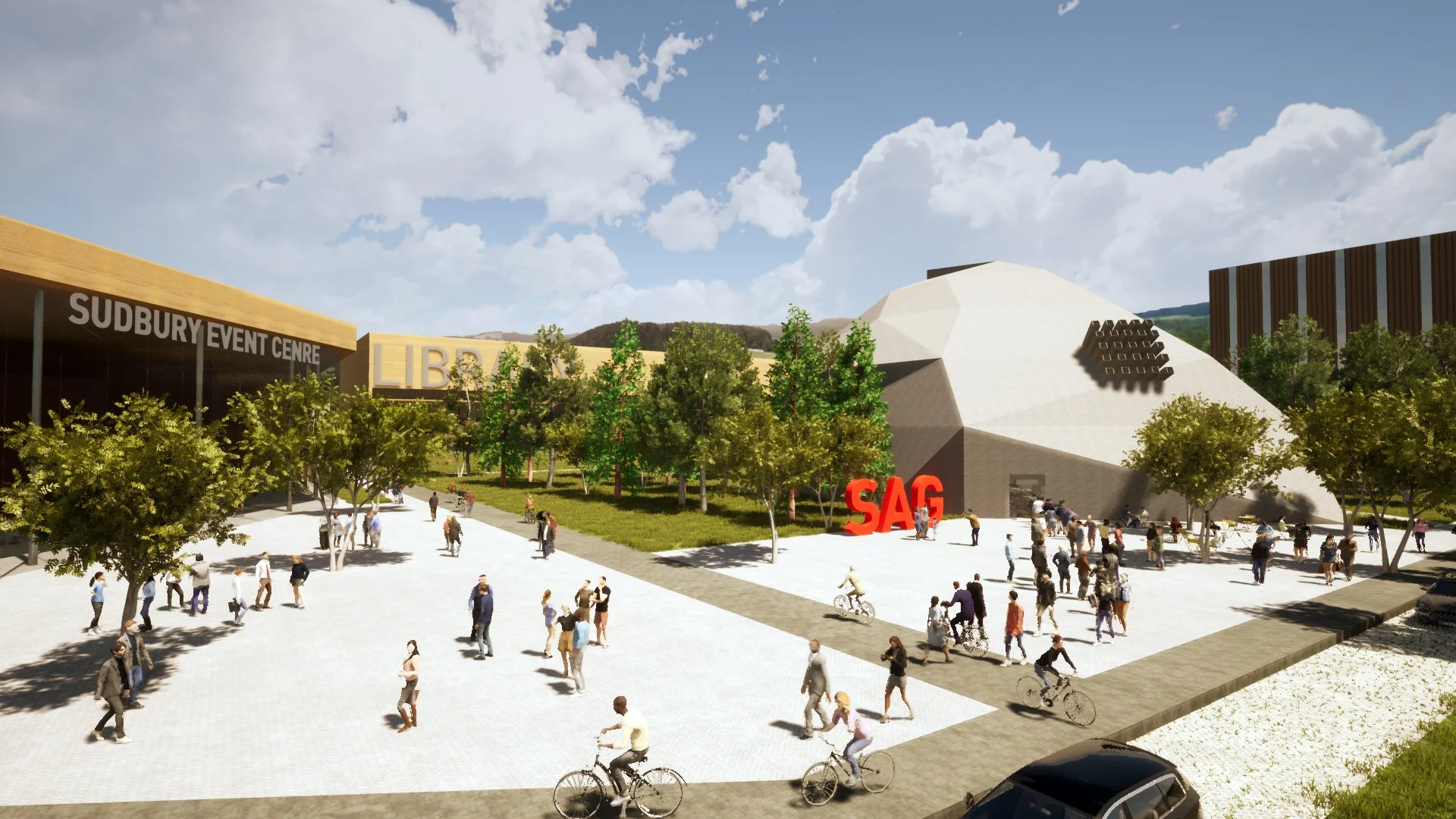
Mashkikike.
Sudbury 2050: Urban Ideas Design Competition, Honourable Mention.
2020.
-
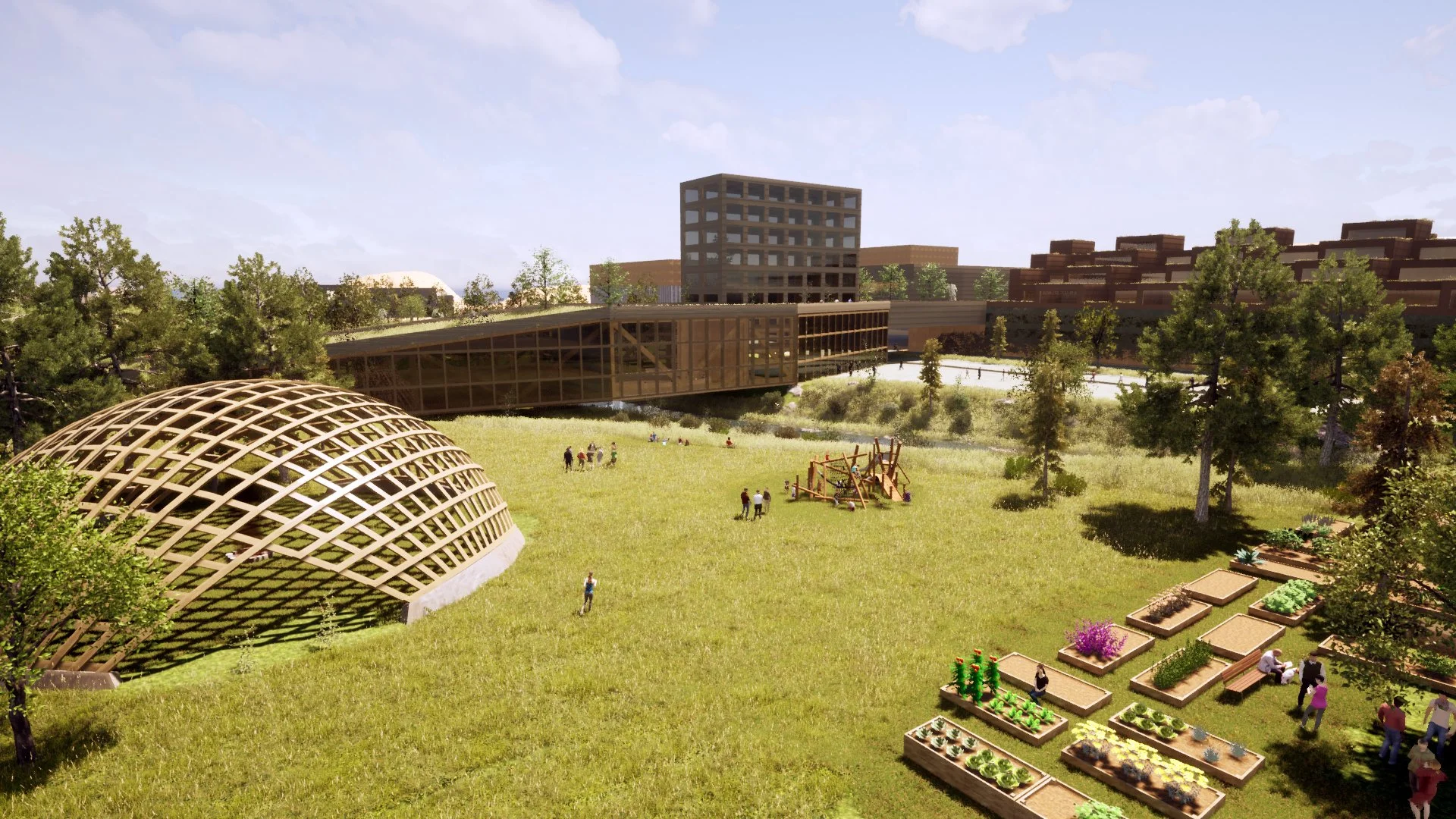
Ma-sh-ki-ki-ke:
A story of healing, pour nous et pour la terre
"Ma-sh-ki-ki-ke" (mu-sh-ki-ki-kay), an Anishnaabemowin word that means: to make medicine.
The wellbeing of the community, of all community members, and of the earth are the guiding principles for a place of life, joy, inclusion, support, and reciprocity.This project is locally-based and grounded in grassroots community priorities, starting with a seed vision from 1000 citizens. Sudbury's urban core is...
Decolonized
Sudbury is located within Anishinaabe Atikameksheng territory. Atikameksheng people and values lead the changes needed in our systems, industries, practices and decision-making structures to heal ourselves and the earth. The urban core reflects and is guided by Anishinaabe identity and values. Signage shares history, facts and teachings.
Anishinaabe language (taught to all school children), art, images and symbols are an integral part of downtown, as are Indigenous events and spaces. The urban core is a place of healing and respect for Mother Earth and for each other.
Part of a healthy ecosystem and watershed
Green spaces, native vegetation, green walls and roofs, and low-impact development enhance biodiversity, improve water quality, and connect people to nature in the urban core. Surfaces are permeable to filter and cool water entering the watershed. Proper waste receptacles and storm drain filters prevent litter from entering Nolin and Junction creeks. The path of Nolin and Junction Creek below downtown is marked with informative art, signage, and trails that raise awareness, promote physical and mental health, and encourage eco-friendly activities.
Net Zero and climate emergency ready
A car-free urban core is connected to surrounding neighbourhoods and to all Greater Sudbury communities with safe and convenient active transportation and transit. Green energy is incorporated into public spaces, and both new and existing buildings are designed to the highest sustainable building standards. An energy positive downtown provides a local, decentralized green energy supply to surrounding institutions and neighbourhoods. A greenway of street trees, gardens, green roofs and walls, and permeable surfaces honours and protects the waters below. Green infrastructure cools the urban core and minimizes flood risks and water use. Downtown functions as a waste-free, circular economy.
Caring
People come first in a more humane urban core. Downtown is safe, friendly and caring for all people and cultures. Community-led initiatives, services, programming and celebrations thrive. Downtown is revitalized but not gentrified. Affordable housing, healthy affordable food, public washrooms, and supporting services are integrated into the urban core.
Vibrant and full of life
The urban core is well cared for, and always full of activity. There are gathering places, resting places and activities for all ages. Play areas for all seasons, informal and formal events, and performance spaces provide recreation and entertainment. Multi-purpose public art invites play and reflects the history, communities, and stories of this territory. The downtown is welcoming to all of Sudbury's diverse populations. -
Simon Blakeley / Green Economy North, Smart Green Communities Program Manager (Northeastern Ontario), Undergraduate Degree in Geography & Planning, Masters in Urban Environmental Design, Level 2 Certificate in Business Administration.
Jayden Daoust / Architecture student, Artist
Naomi Grant / Co-chair, Coalition for a Liveable Sudbury
Matthew Hunter / M.Arch, Architectural Designer
William Morin / Professor of Indigenous Studies (University of Sudbury), Birds of Pray Create: Cultural Consultant / Anishinaabe Cultural Advisor, Professional Mixed Media Artist.
Elyse Portal / MVS, Ecological Artist
Emilio Portal / MFA, Creative Generalist
Cora-Rae Silk / Artistic Director, Myths and Mirrors Community Arts
Camille Tremblay / Science Communication
Miranda Virtanen / Executive Director, Junction Creek Stewardship Committee
mnemonics for the commons
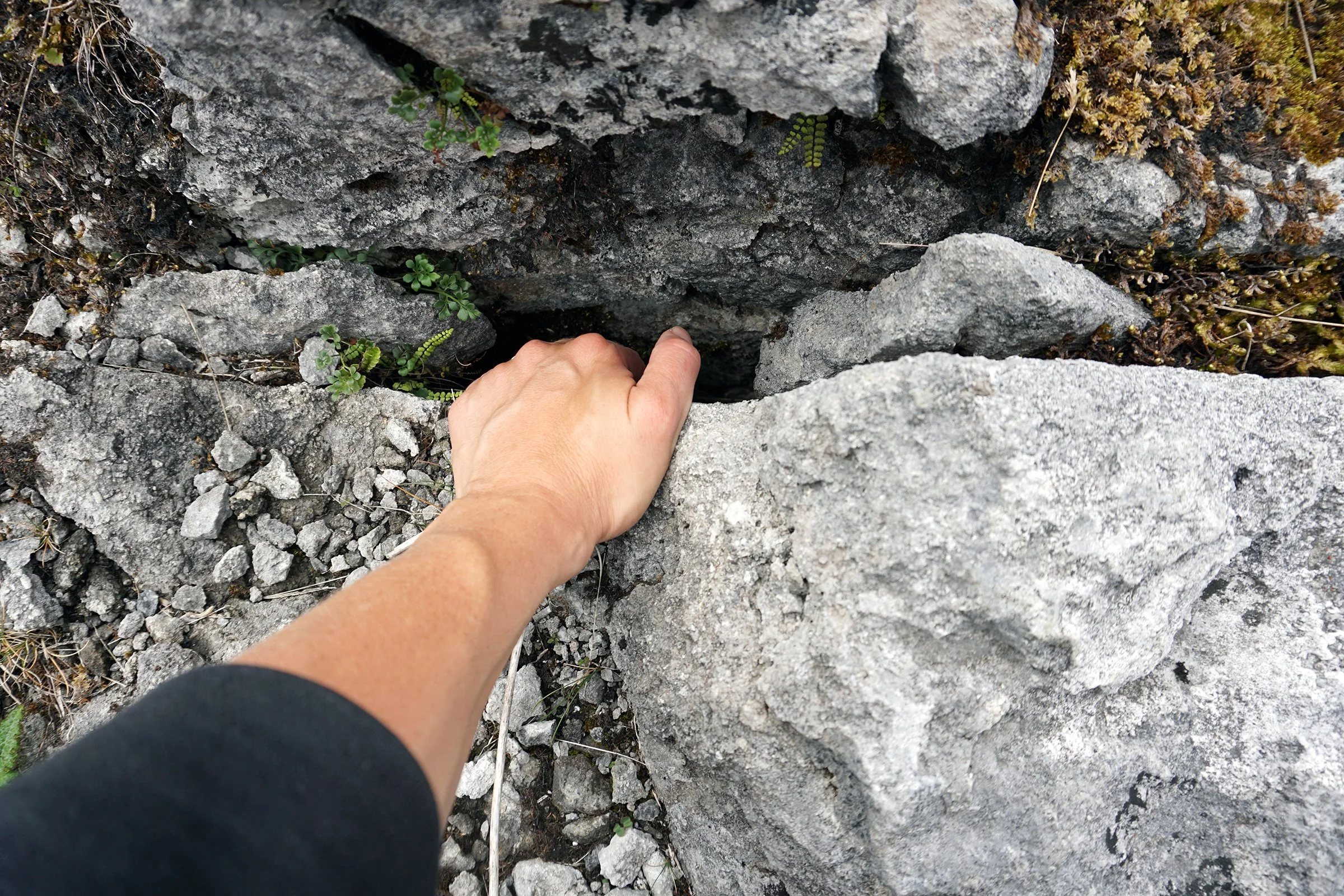
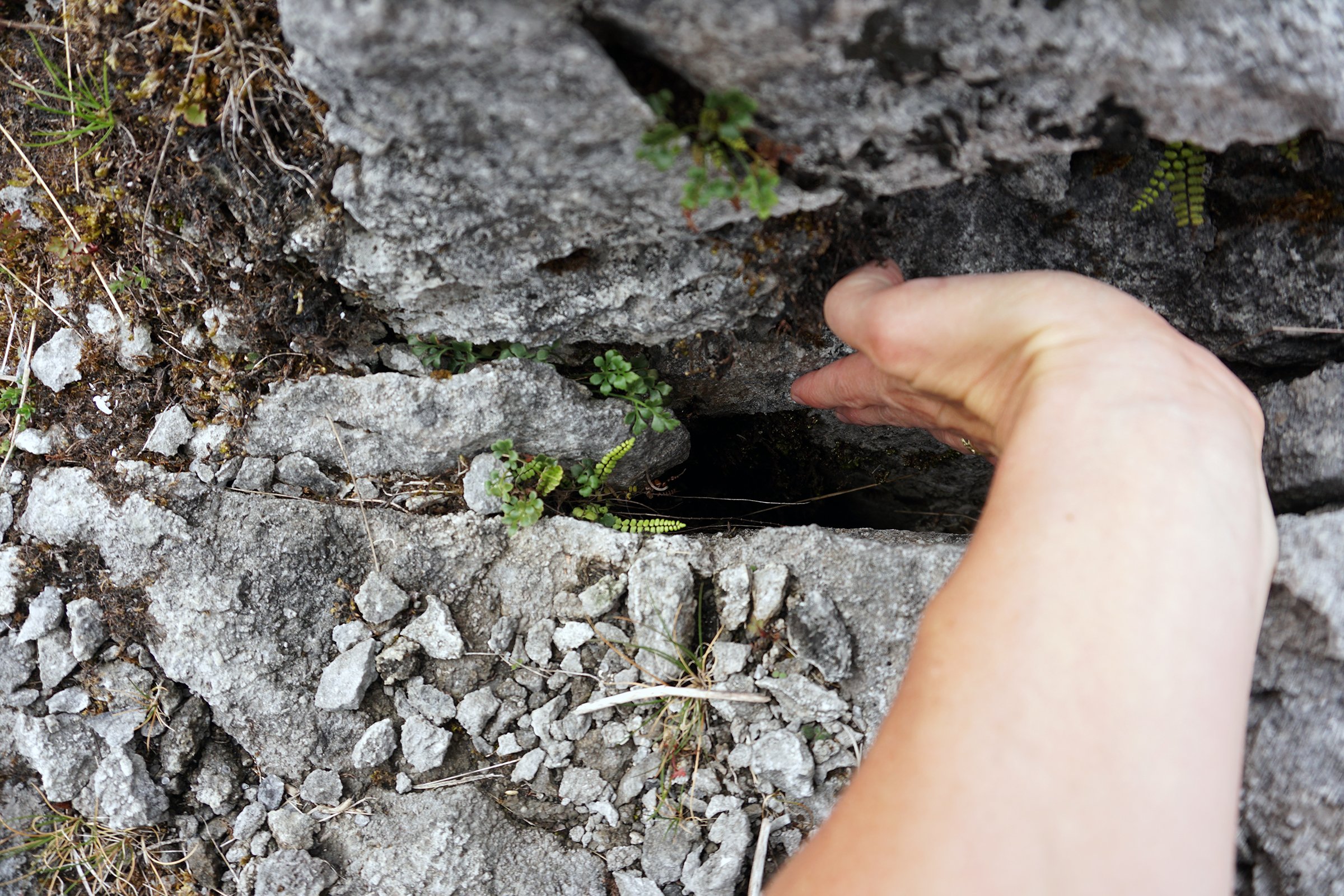
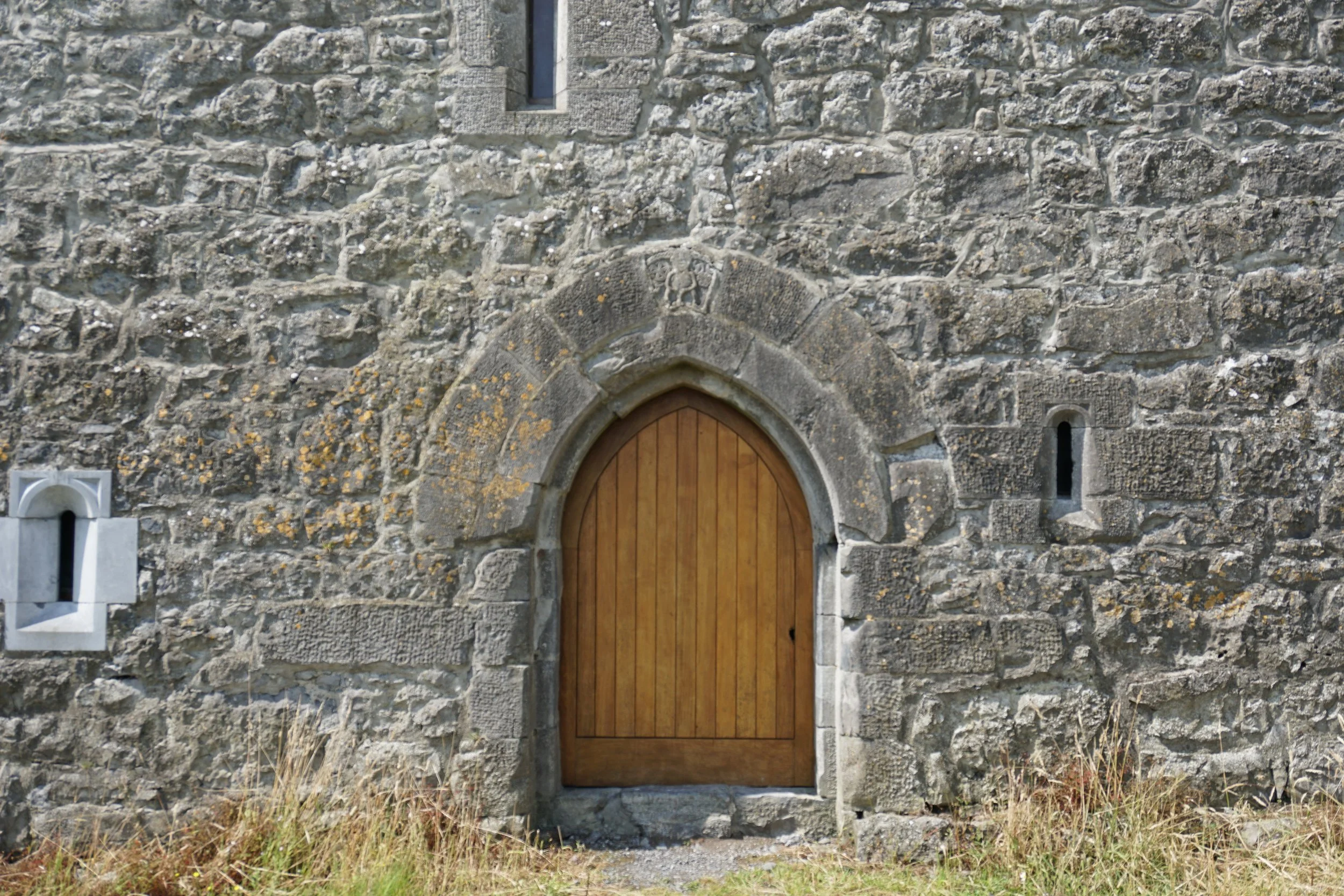
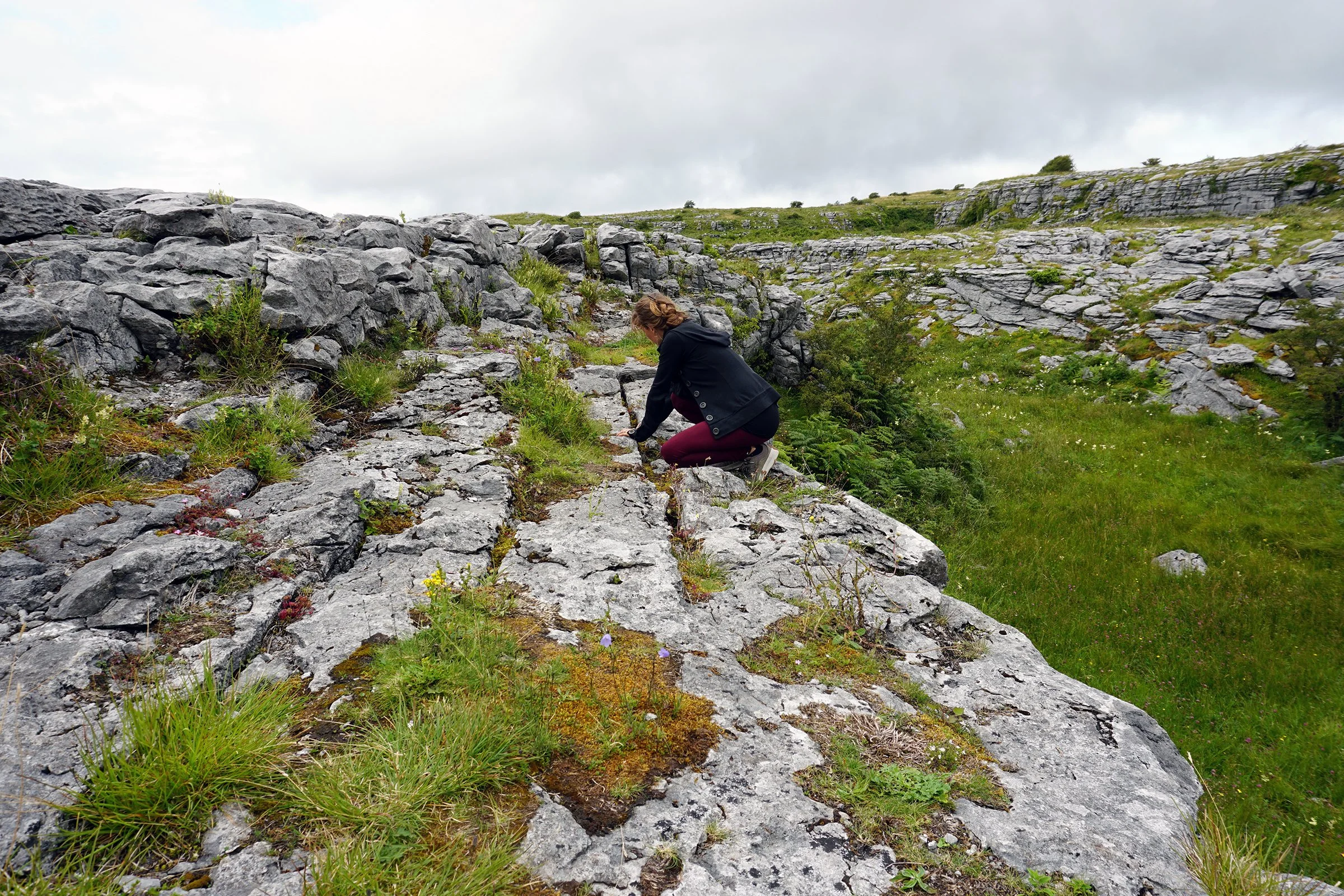
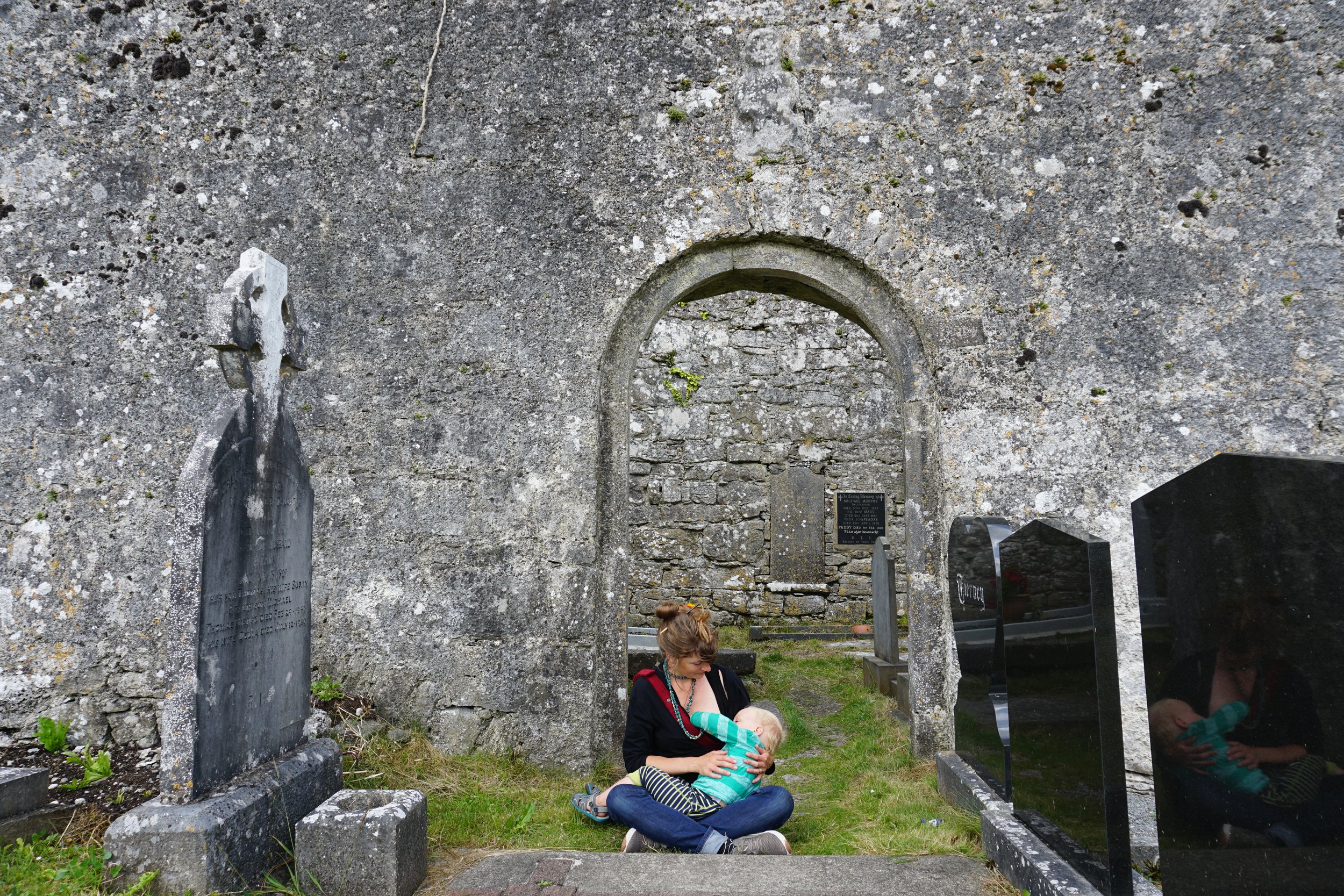
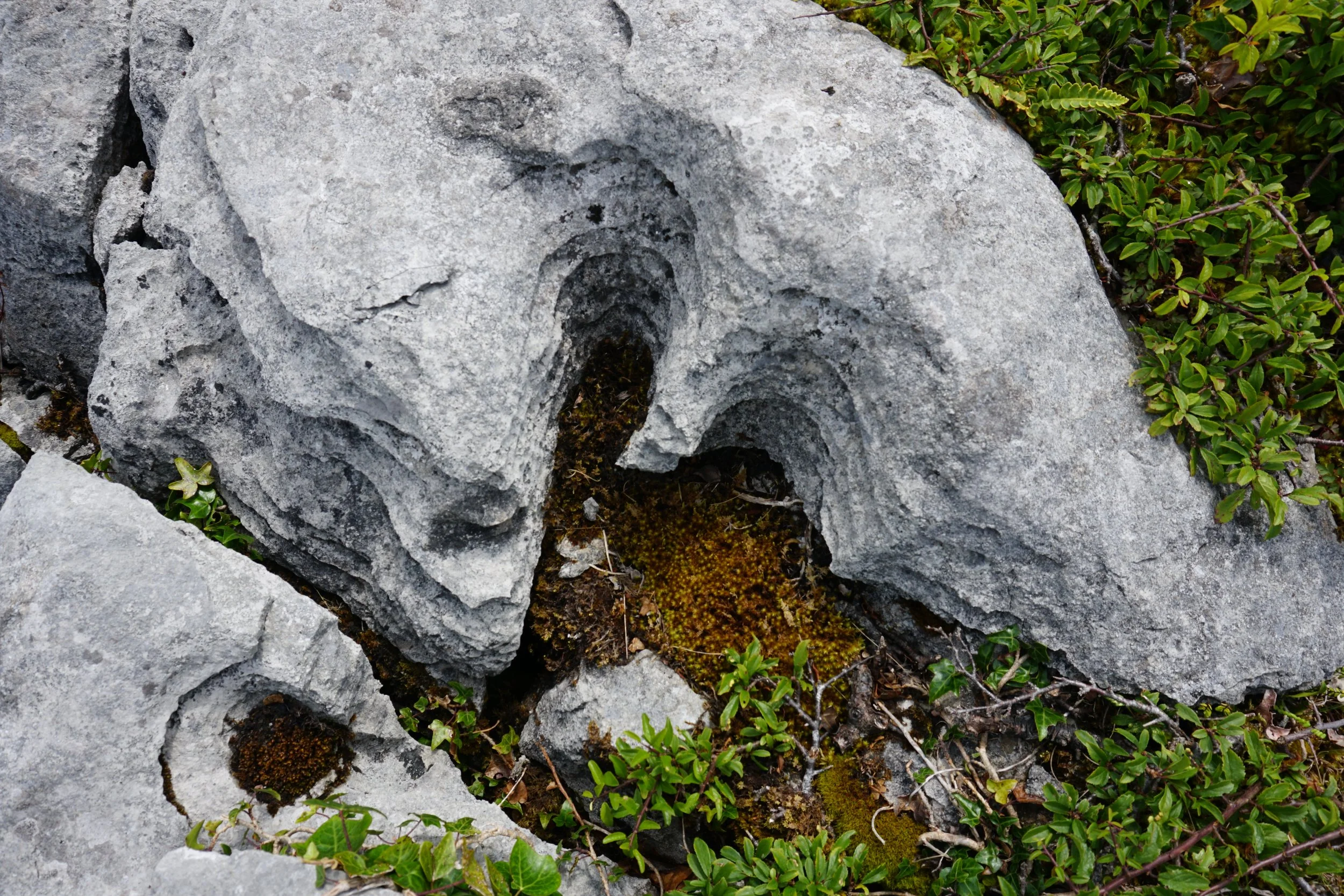
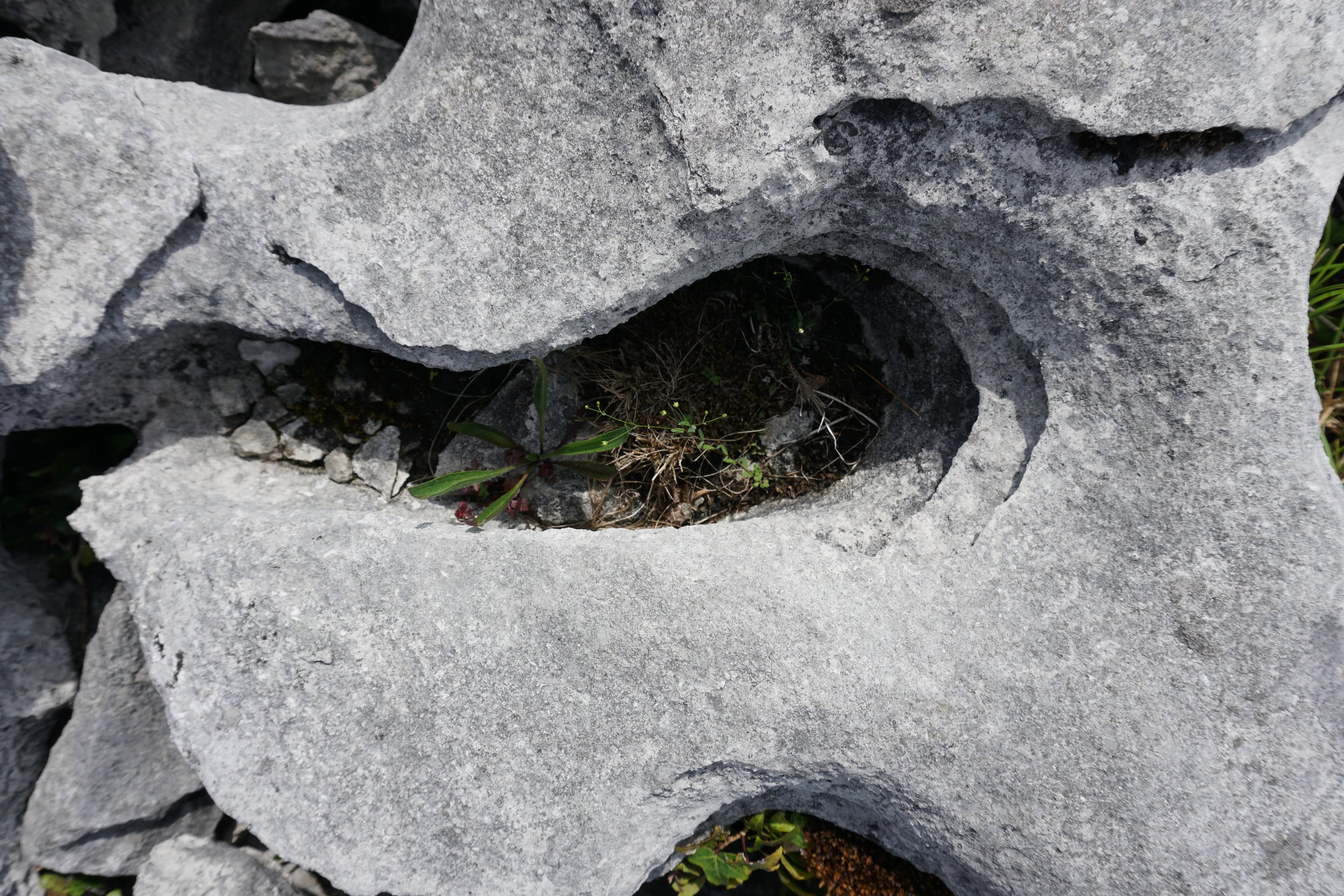
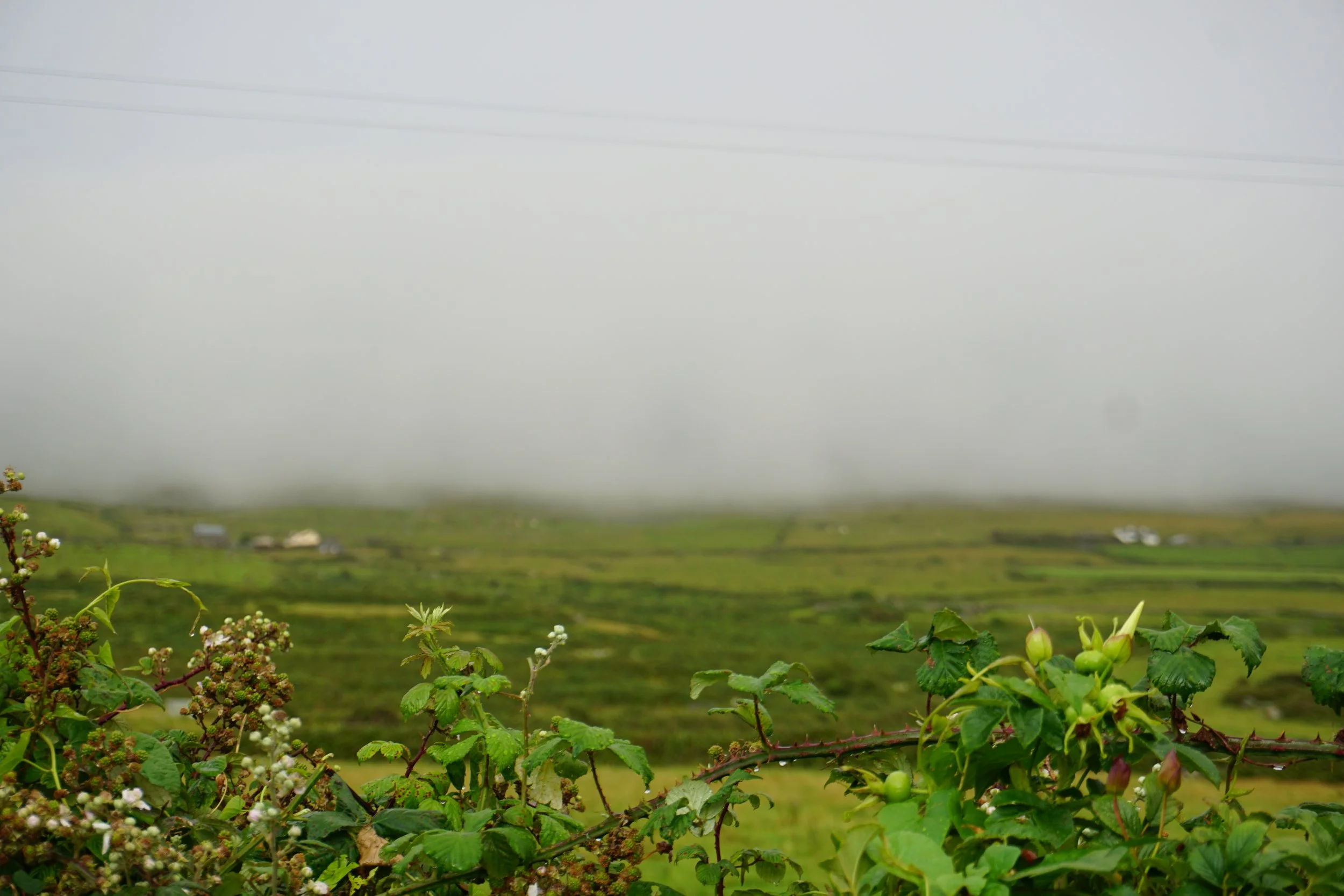
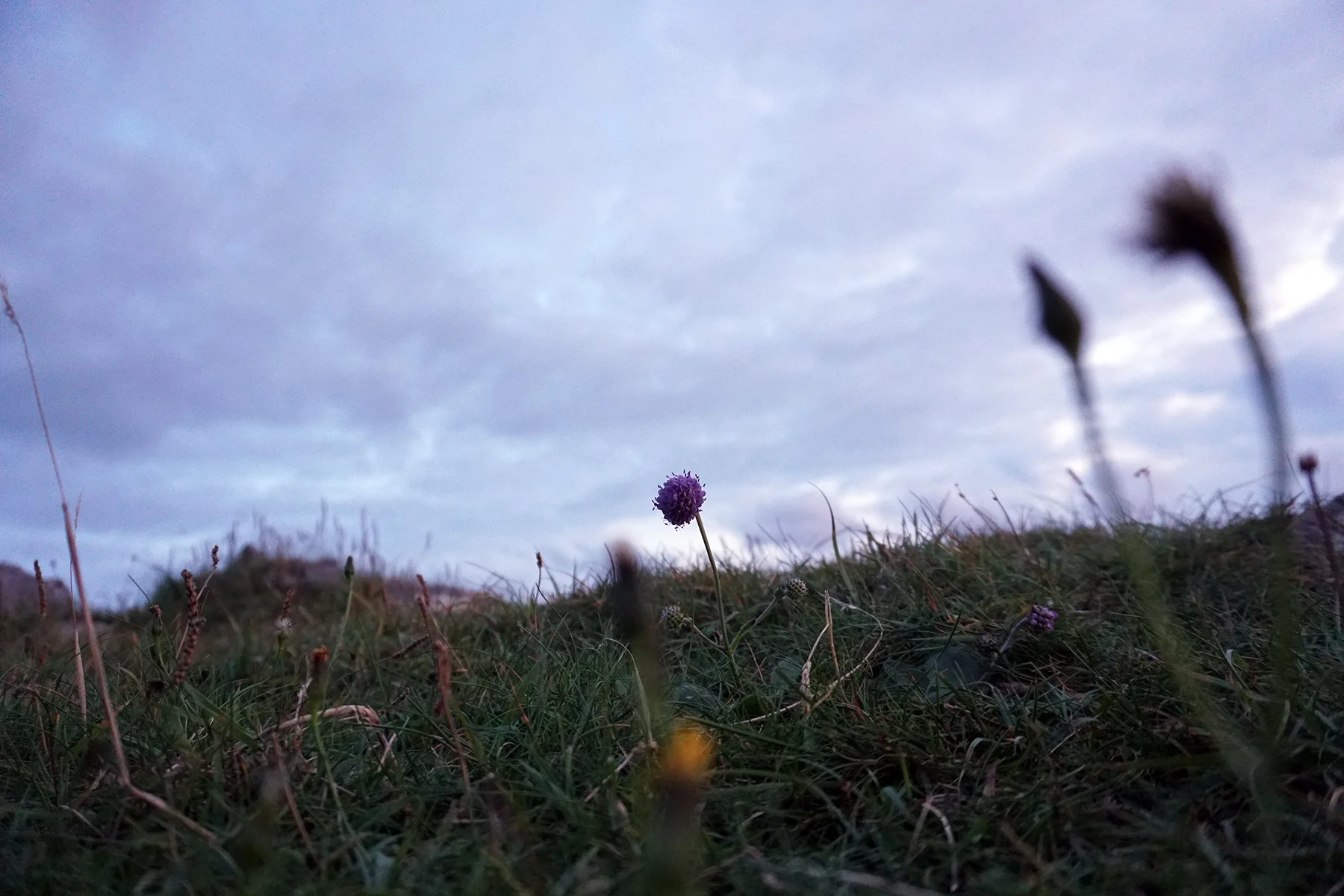

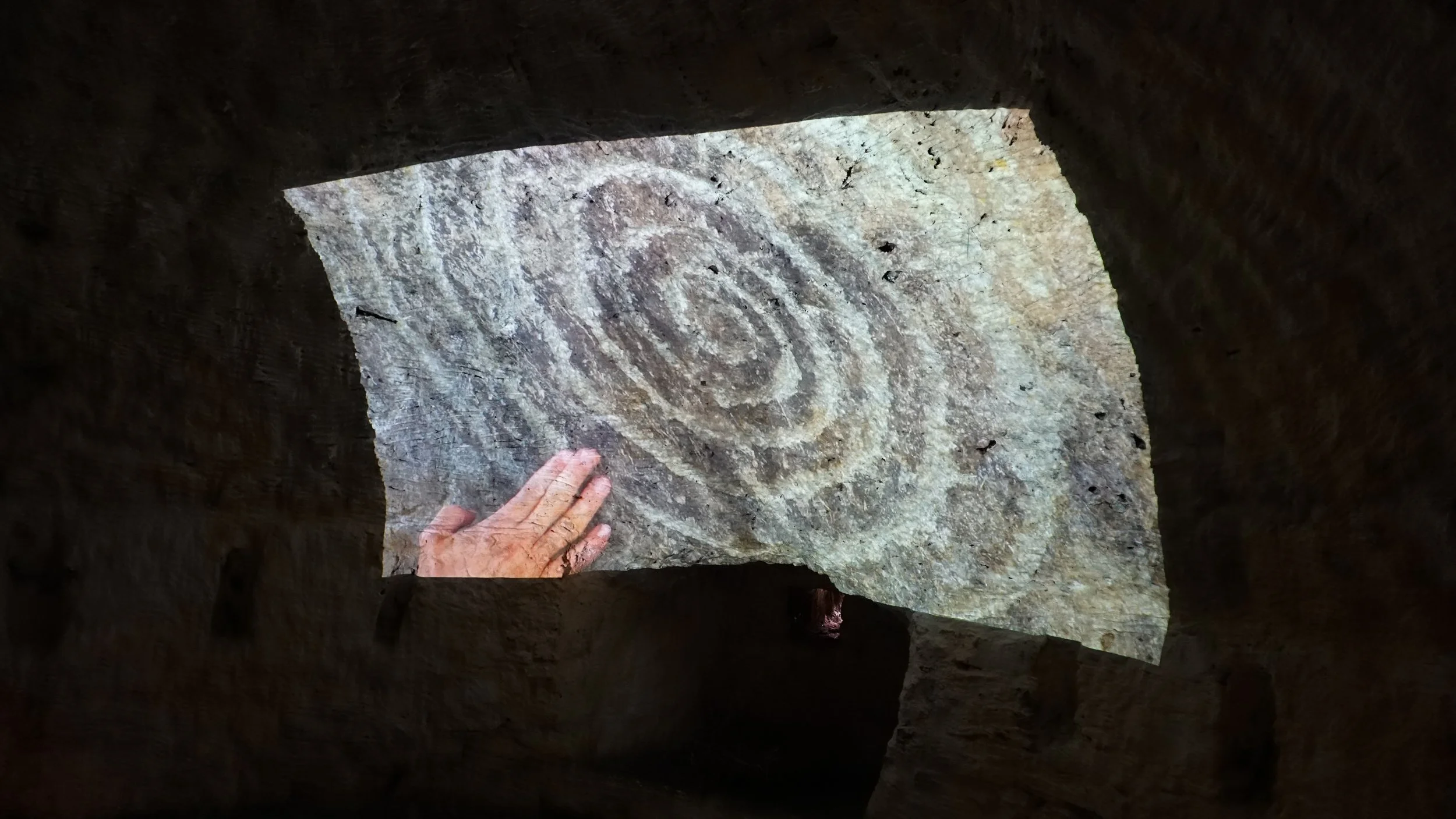
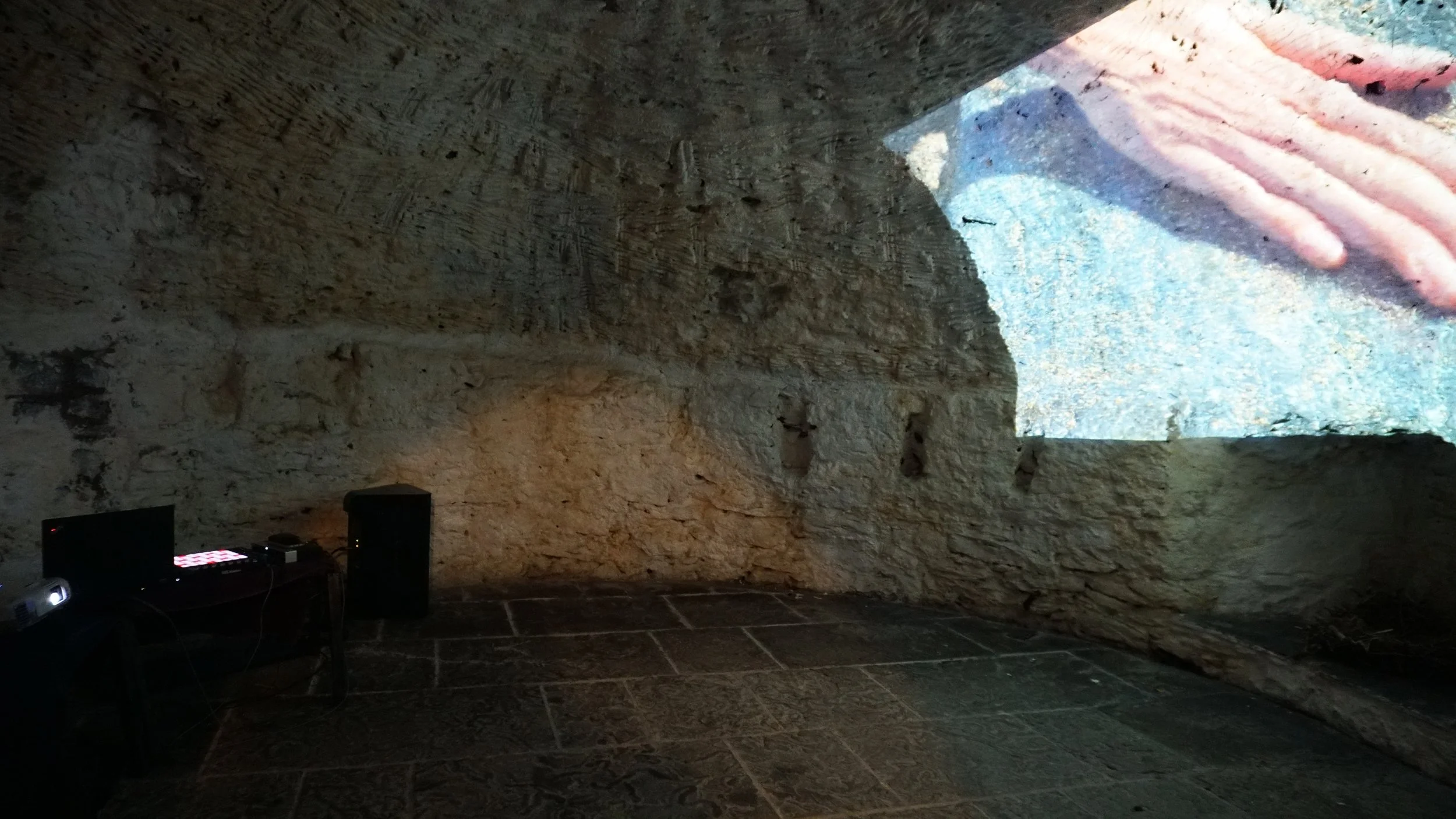

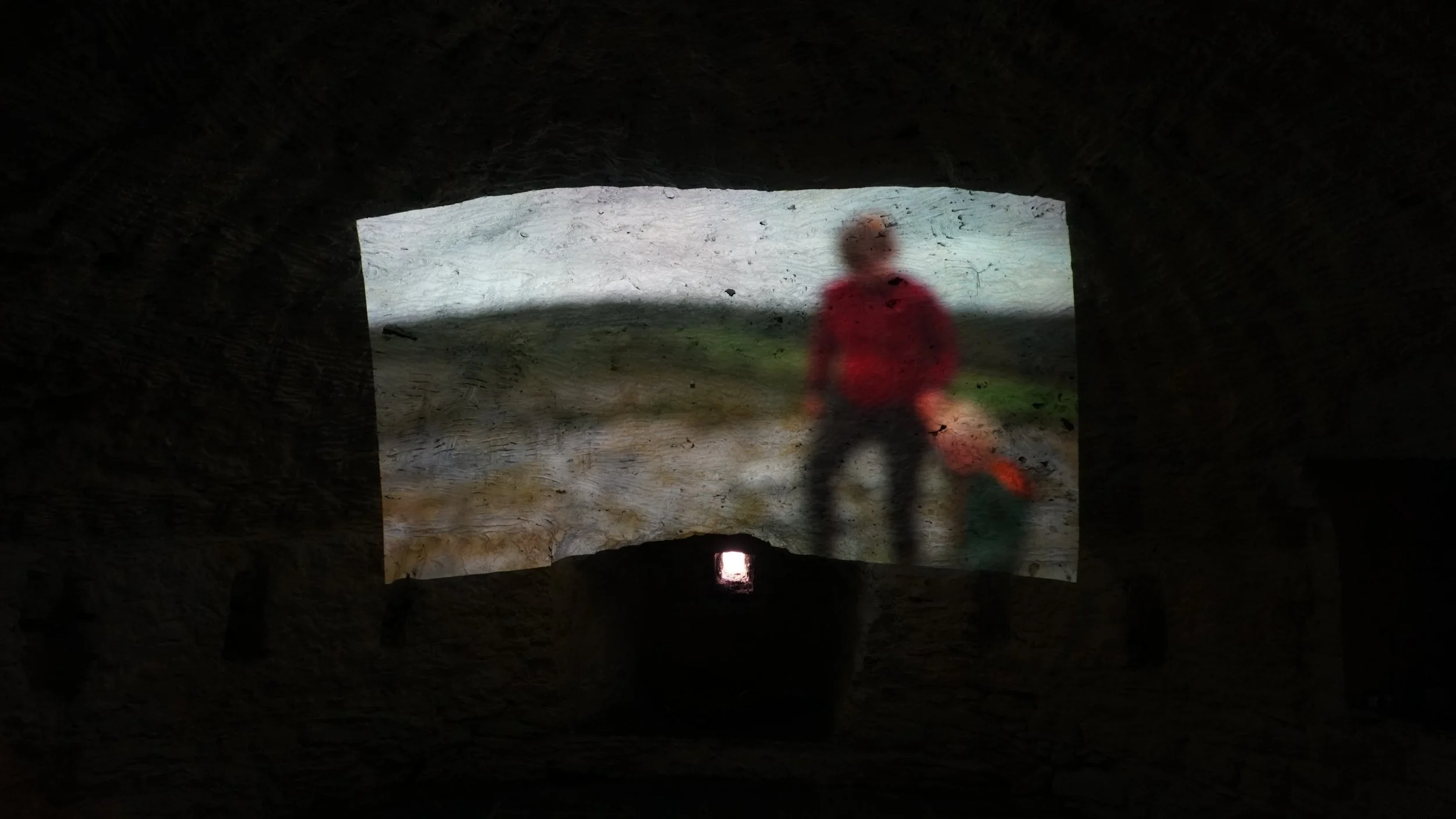

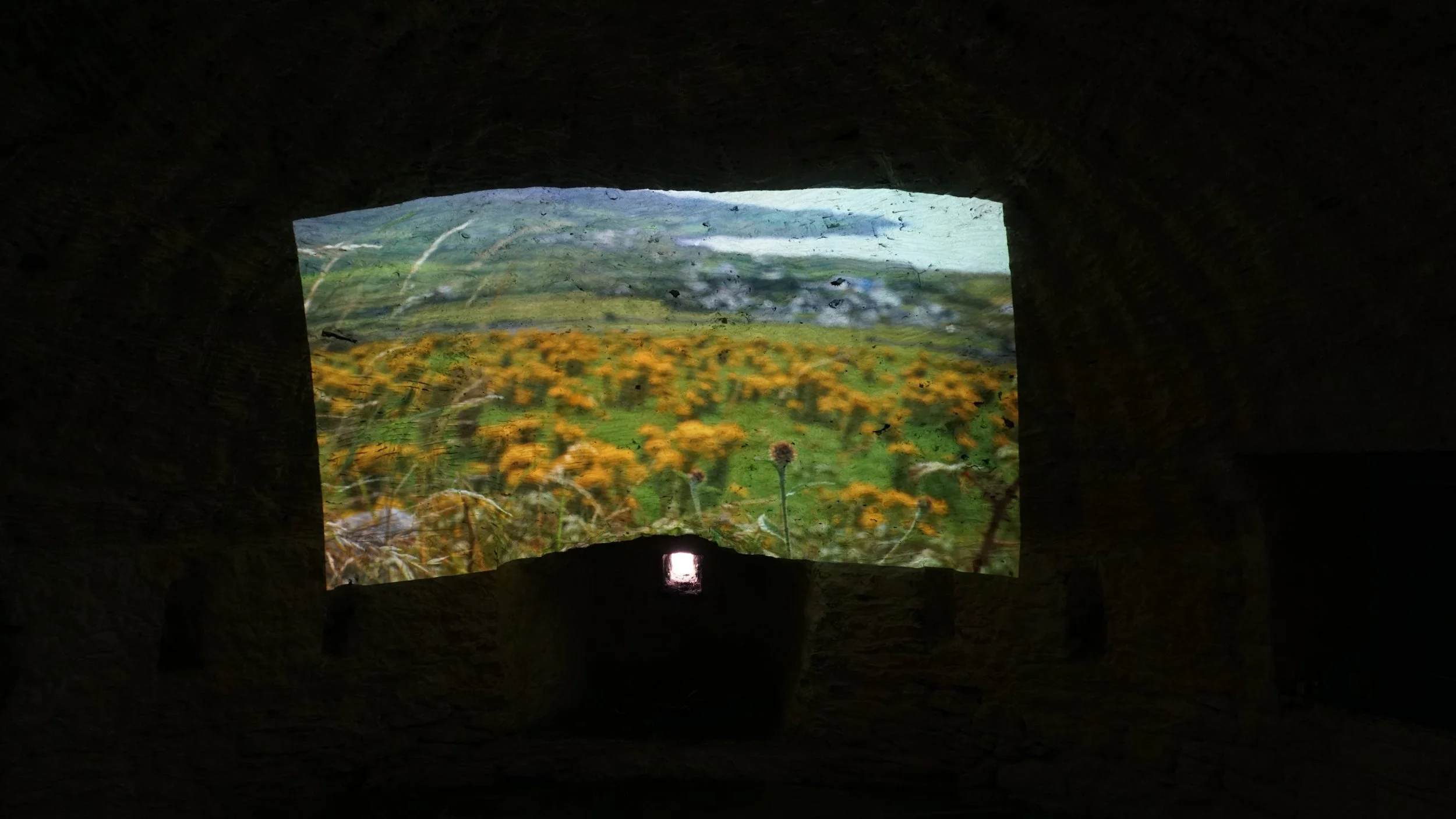
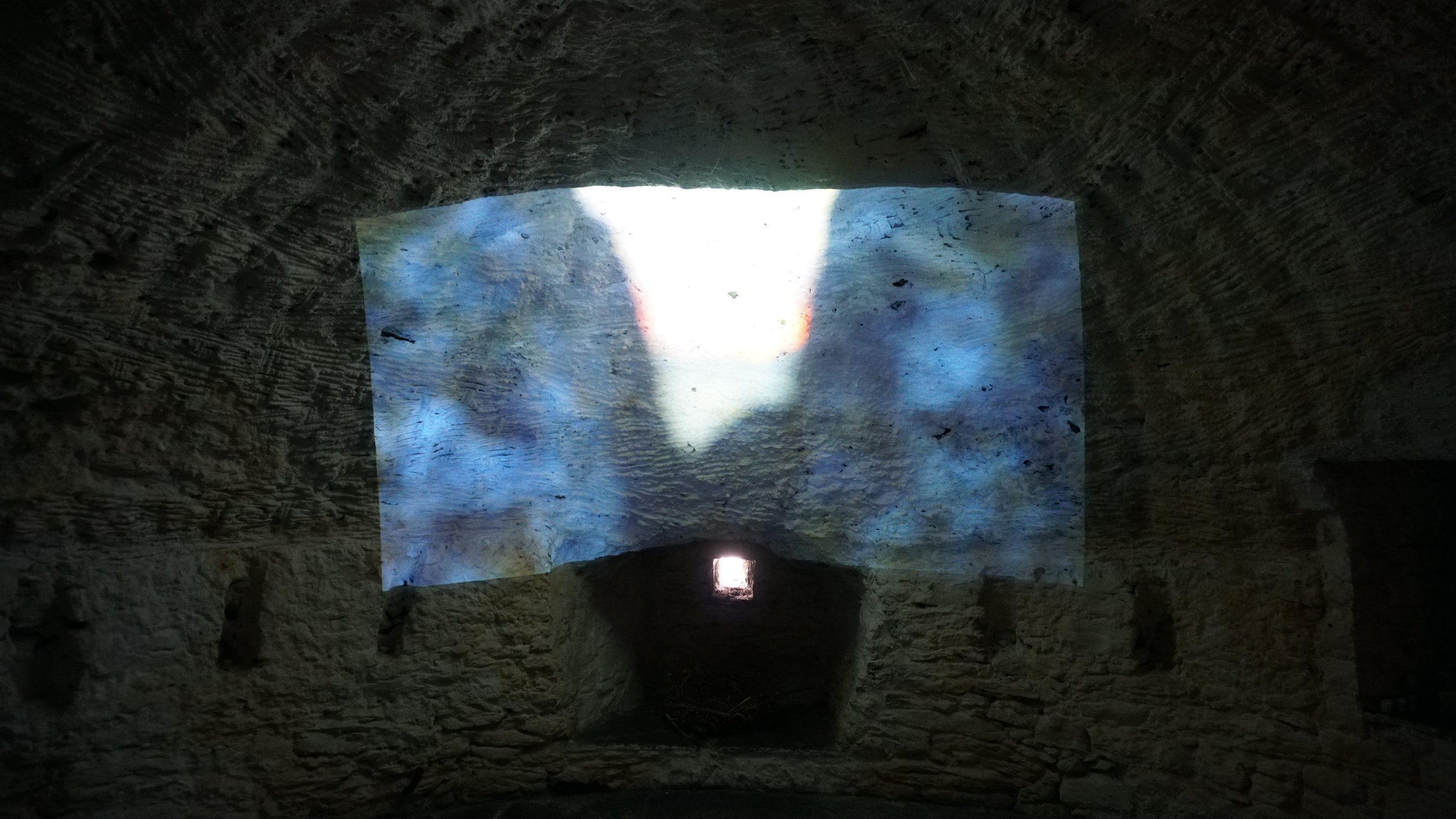





mnemonic for the commons.
Burren College of Art, County Clare, Ireland. 2019.
-
mnemonic for the commons
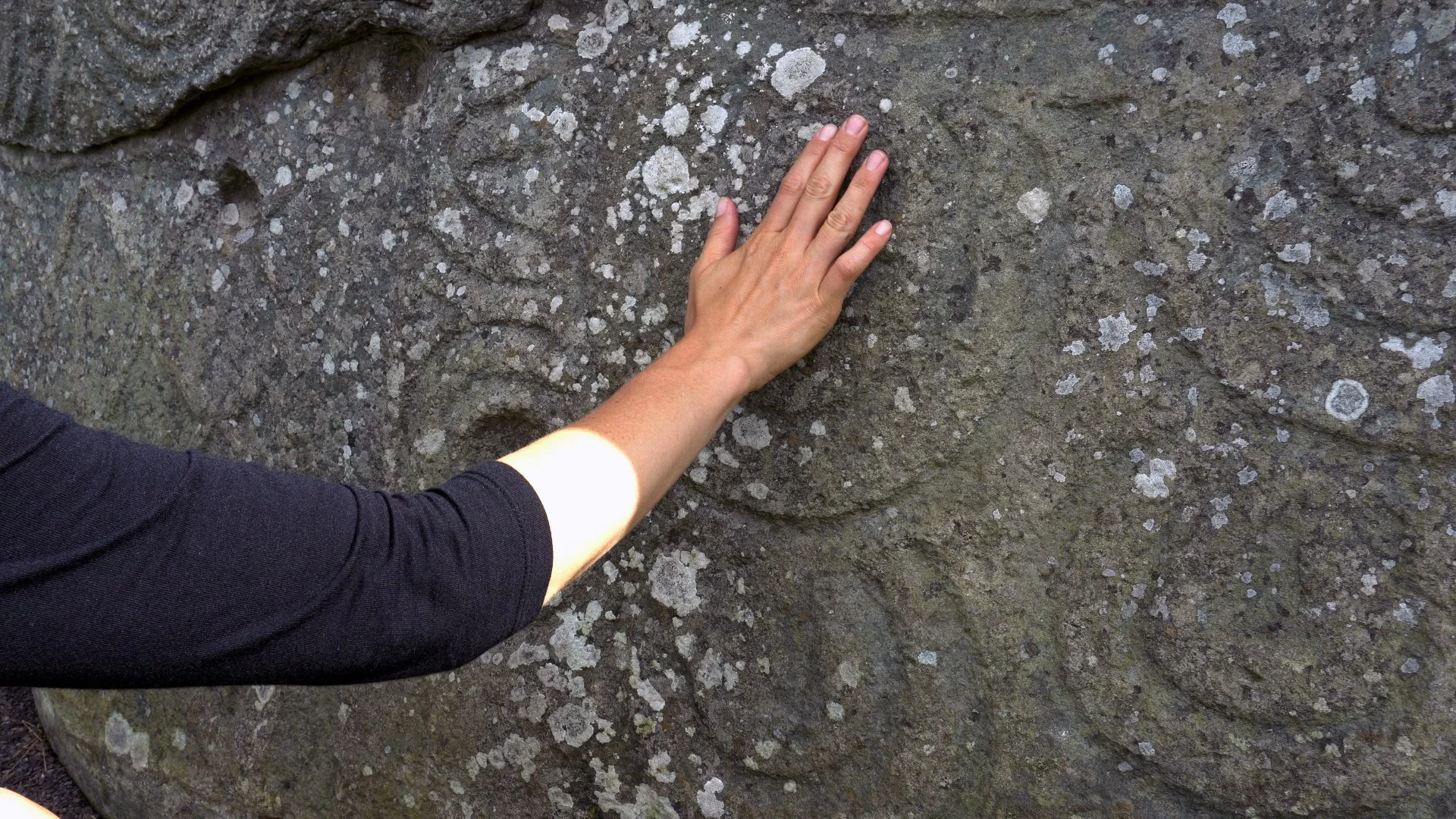
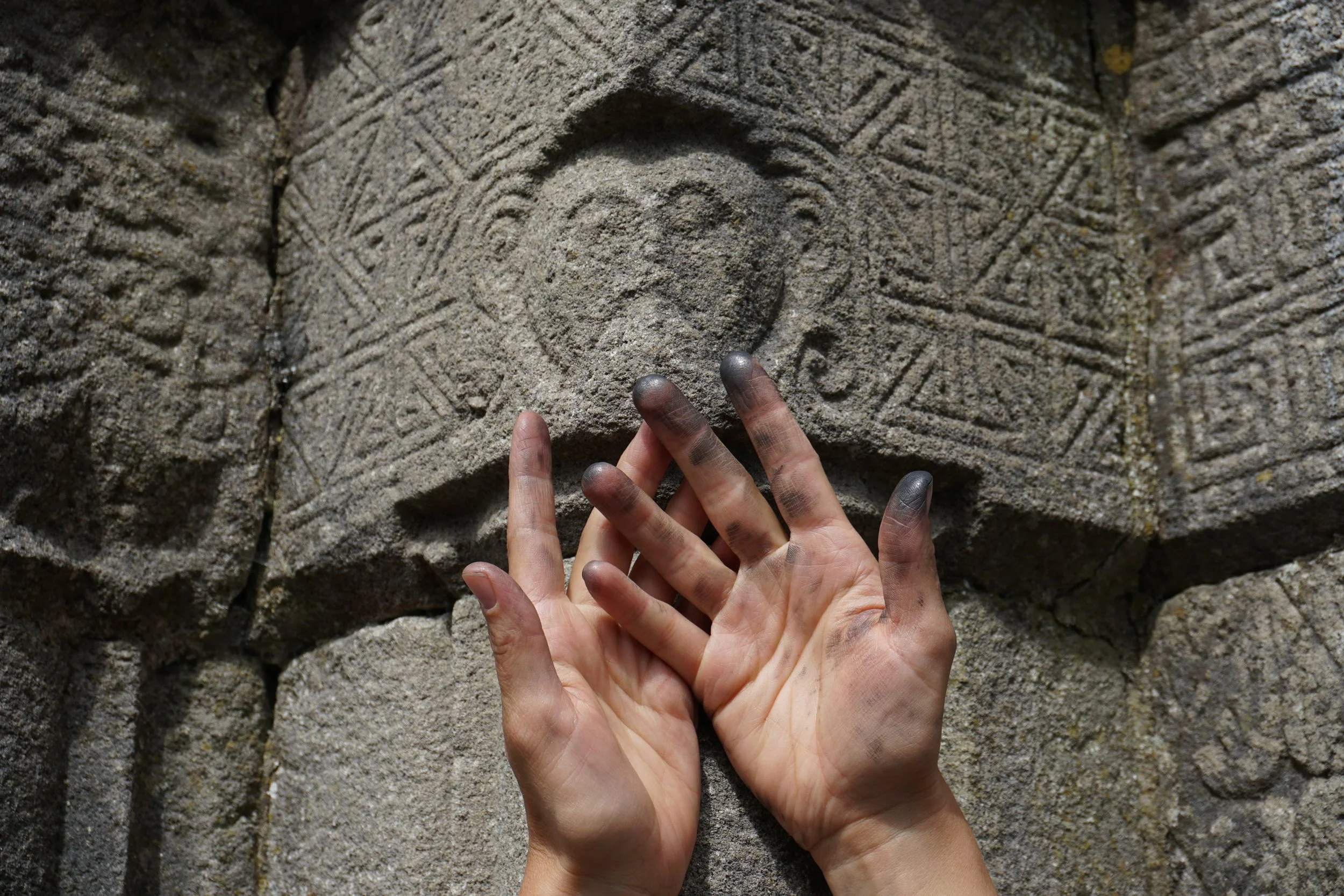
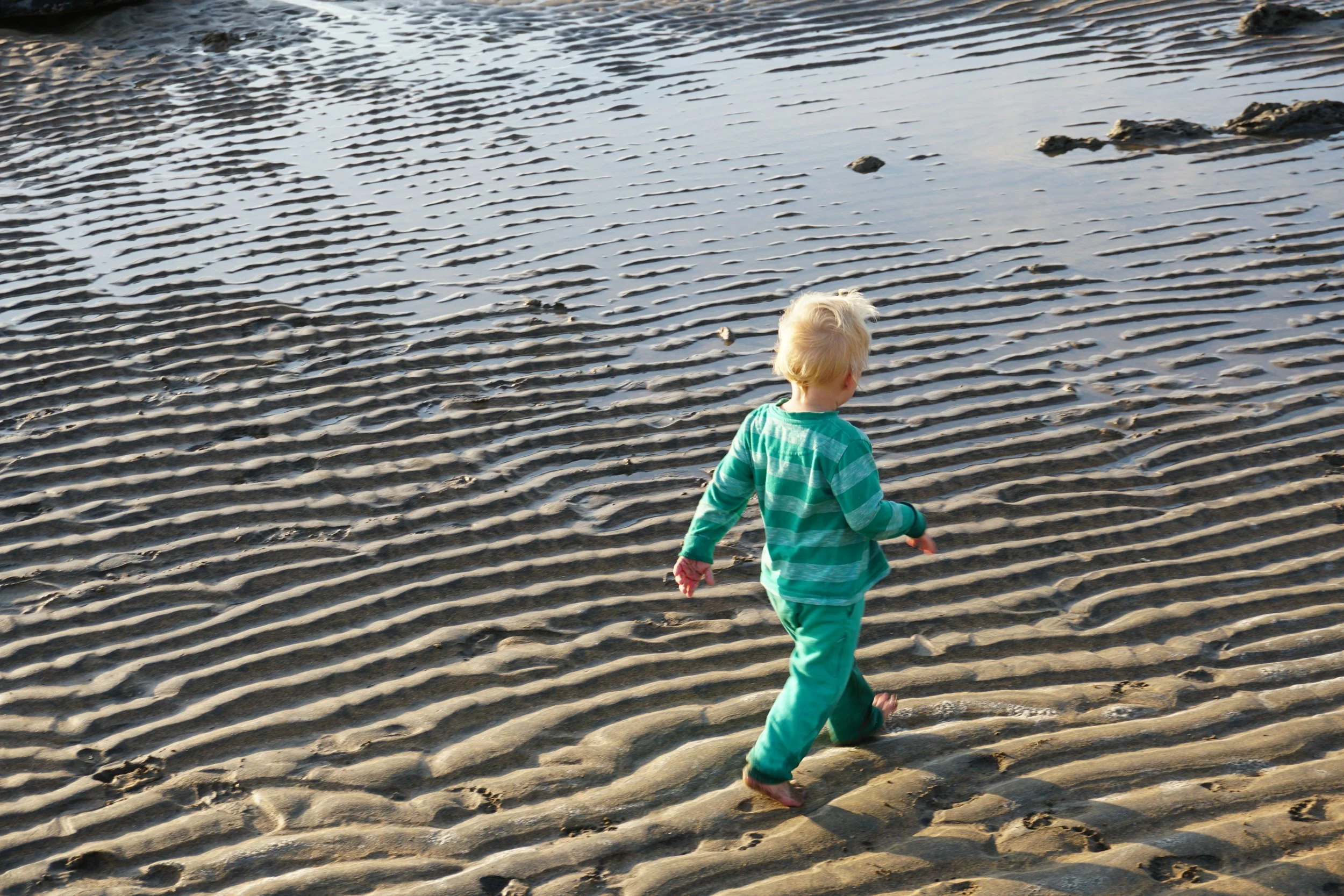
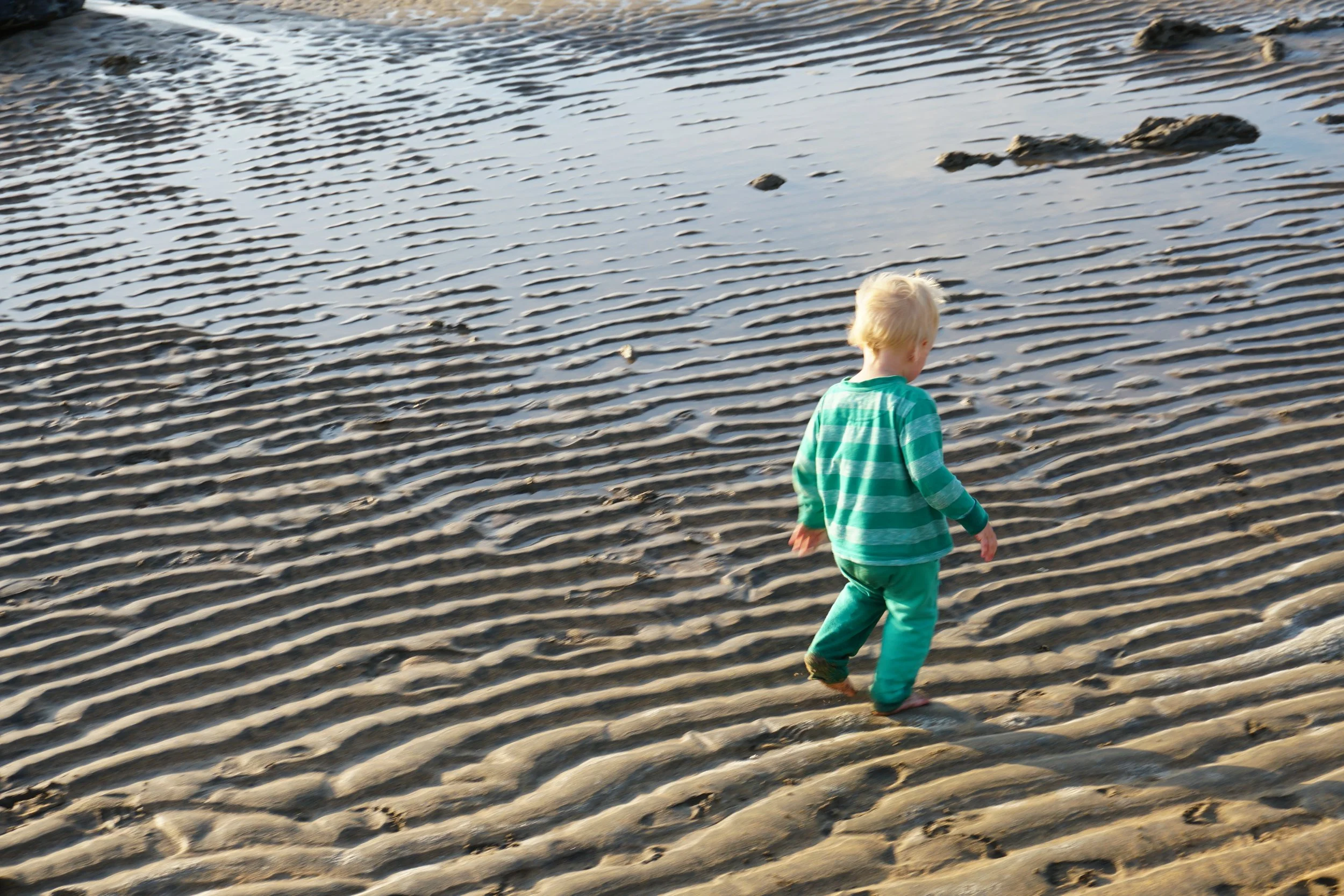
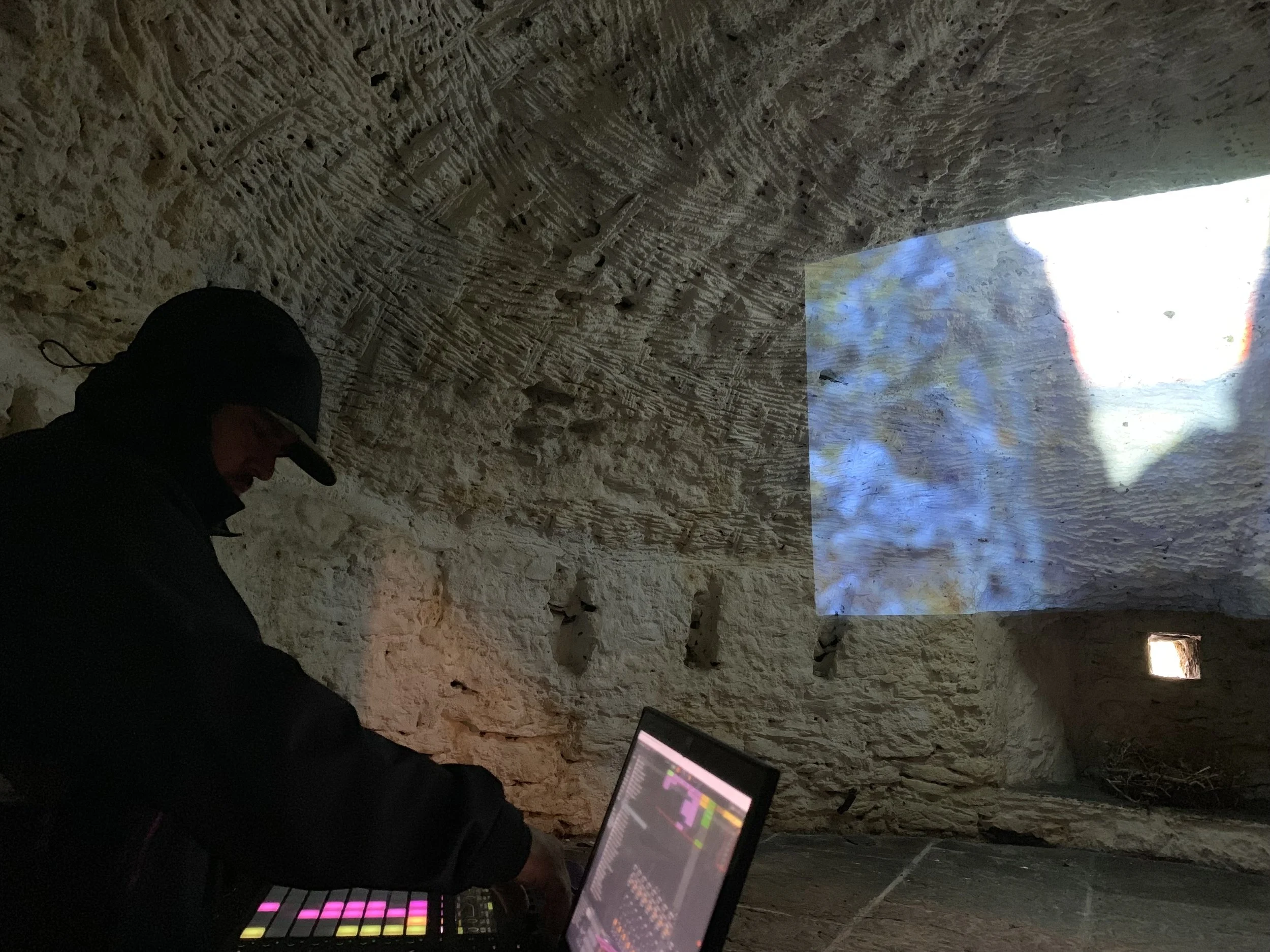
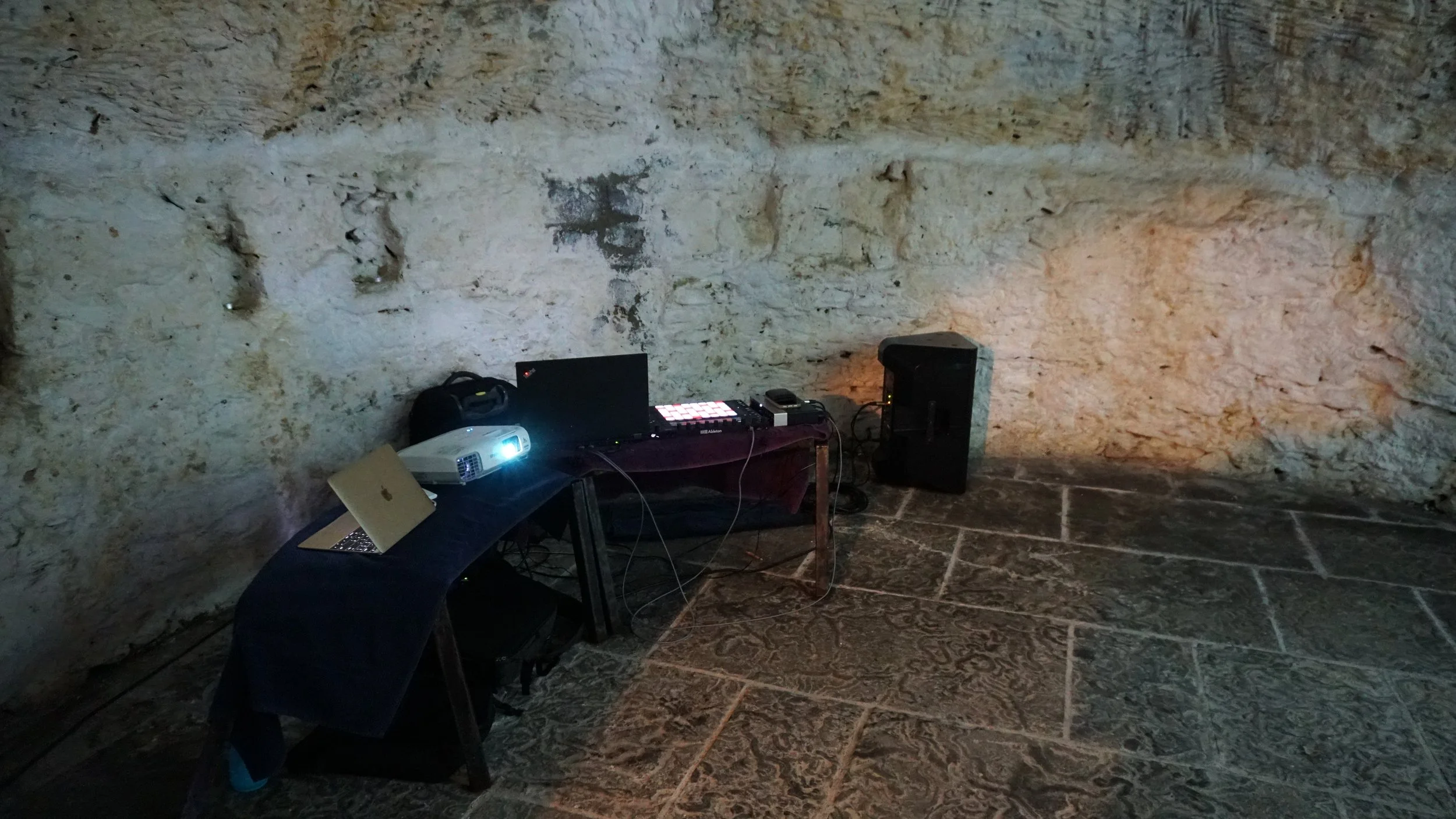
This work investigated our only shared ancestry (Irish) to understand our grief entanglements with personal, institutional and systemic climate crises/pandemic losses. We responded to grief through touching surfaces, water, rocks, plants, edges, and other touched places. We transformed these sensual recordings into a transdisciplinary body of work called: mnemonic for the commons.
Our late mother’s wish was that we follow her historical fiction manuscript through the colliding records of pagan and Christian worldviews in Ireland. Our grief for her led us to a month-long residency at the Burren College of Art, situated in County Clare – the epicenter of her tale. The greatest colliding force within her writings were Sheela-na-gigs: relief sculptures in the form of a nude woman who is both ancient and youthful: a figure paradoxically near death, birth, pregnancy and fertility. A figure often found above portals into churches, castles and monasteries. The stone Sheela-na-gigs we documented had areas worn away from human touch – mostly her vulva – from everyday people eliciting her blessings and fertility throughout centuries – possibly millennia. The sensual act of touching Sheelas to acknowledge the responsive aliveness within art, stone and places informed our methods of making...
In thinking about institutional grief, also referenced in the manuscript, we visited the Irish Workhouse Centre in Portumna, East Galway. We wanted to experience this devastating institution in order to understand not only Irish history, but also Canadian Residential Schools, which were based on the British colonial blueprints of Irish Industrial Workhouses. After a bleak tour, permeated with feelings of grief and stories of institutional corruption, we documented ourselves touching worn stone staircases where people of the workhouse – alive just enough to pursue their inhumane labour conditions - traversed their daily routines. Wild plants, trees and vines were in a constant process of reclaiming the site, and had at one-point almost succeeded. We documented these flowers, clouds, winds and trees – doing their life-giving part to remedy this traumatized place.
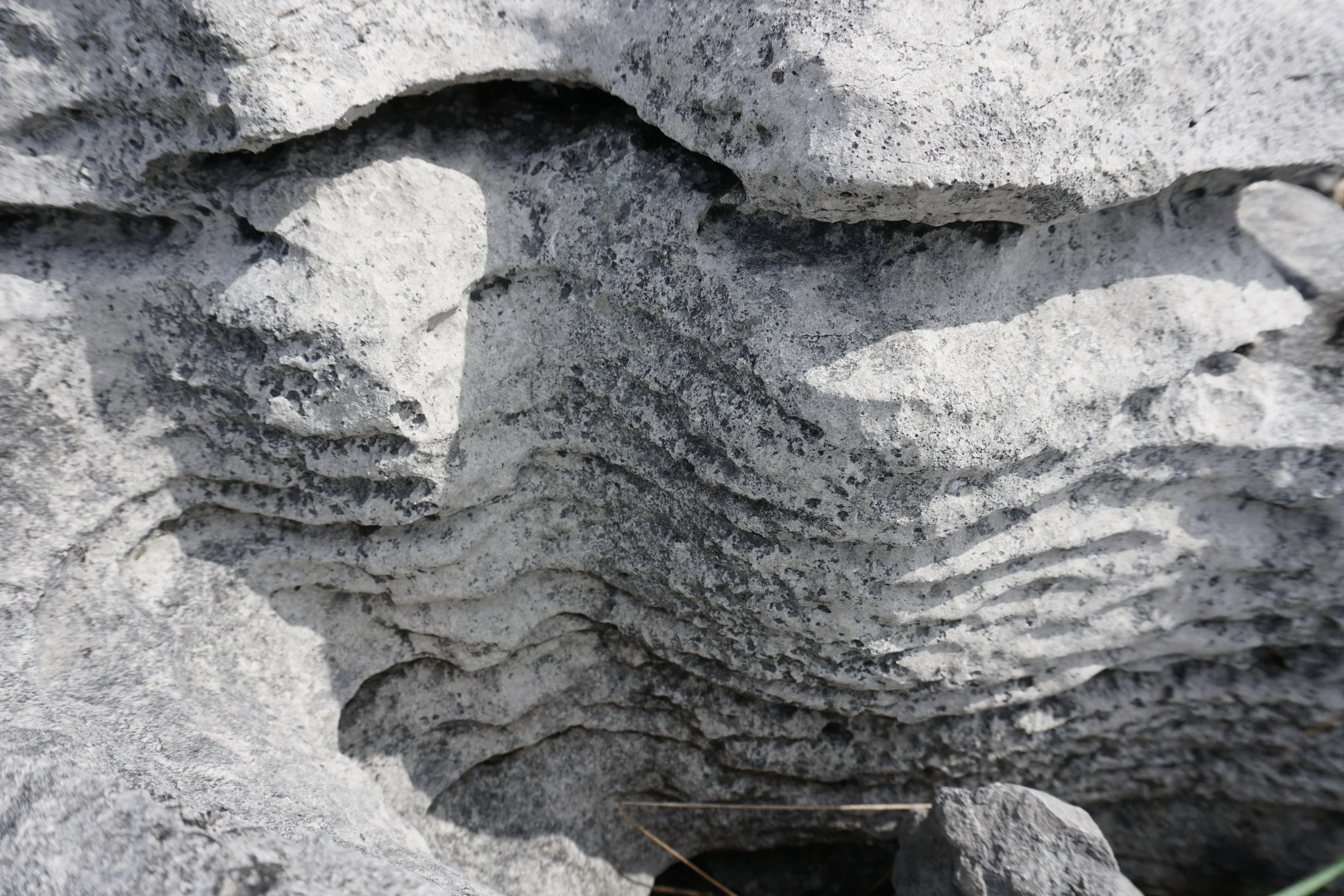
The third aspect of this project was climate crisis grief, and its impacts on Ireland and the globe. Ireland was one of the first countries to declare a climate emergency. Situated within a bioregion that contains over 70% of Ireland's native flora, including unusual combinations of Arctic, Alpine and Mediterranean species, the Burren College of Art was poignantly linked to our practice through its commitment to ecological art.While traversing the Burren, we felt boulder encrusted ocean-side seascapes made barren by Neolithic humans that cut or burned all the forests down for agriculture. We felt the trees that never came back due to a simultaneous Icelandic volcano that produced a relentless change in weather that washed away all the topsoil. We felt the increasing vulnerabilities of ocean levels rising, and relatively ‘stable’ weather patterns changing. We documented these felt experiences through performances next to the ocean, in the mountains near ancient memorials, and under Sheelas watching over life-giving springs and graveyards.
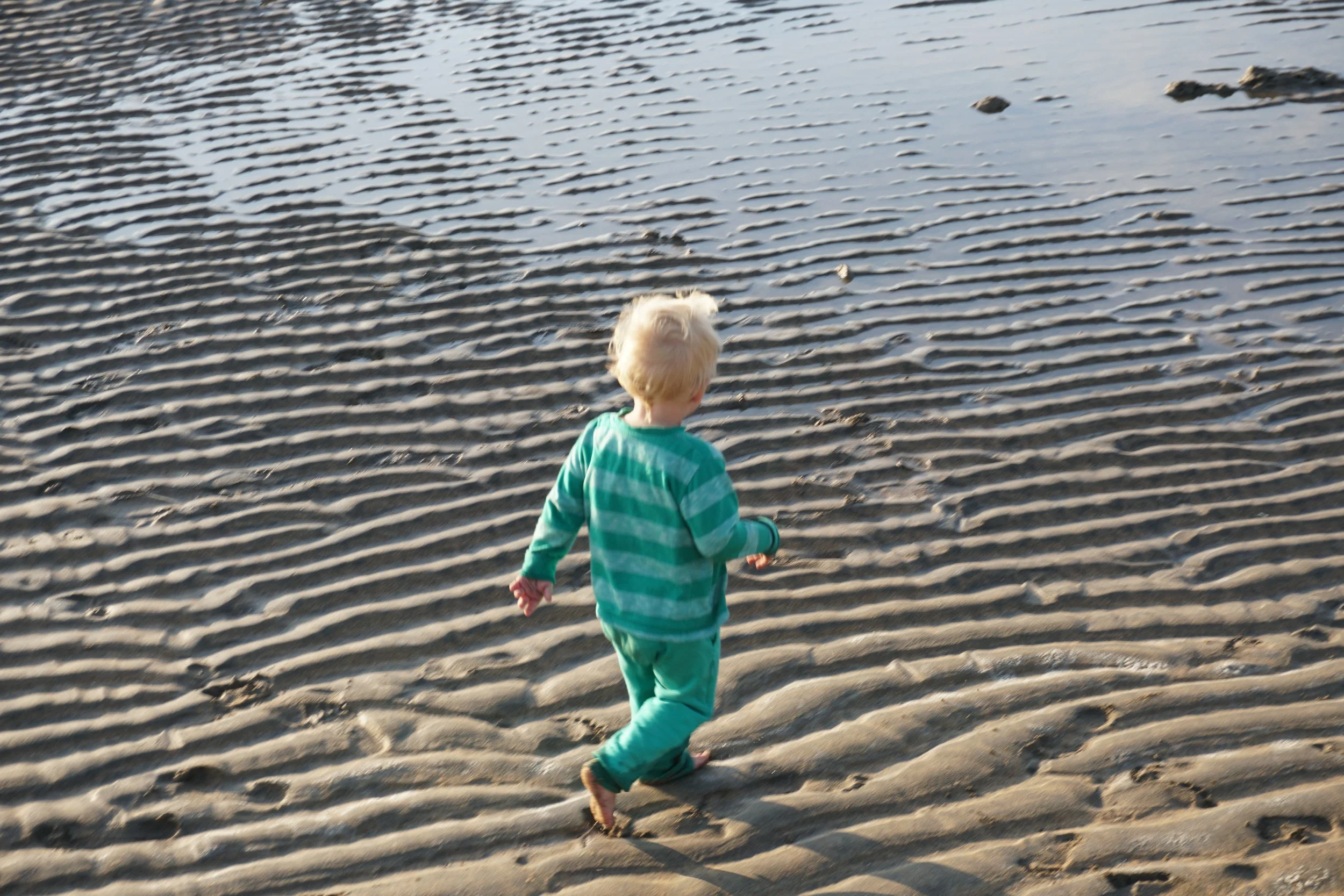
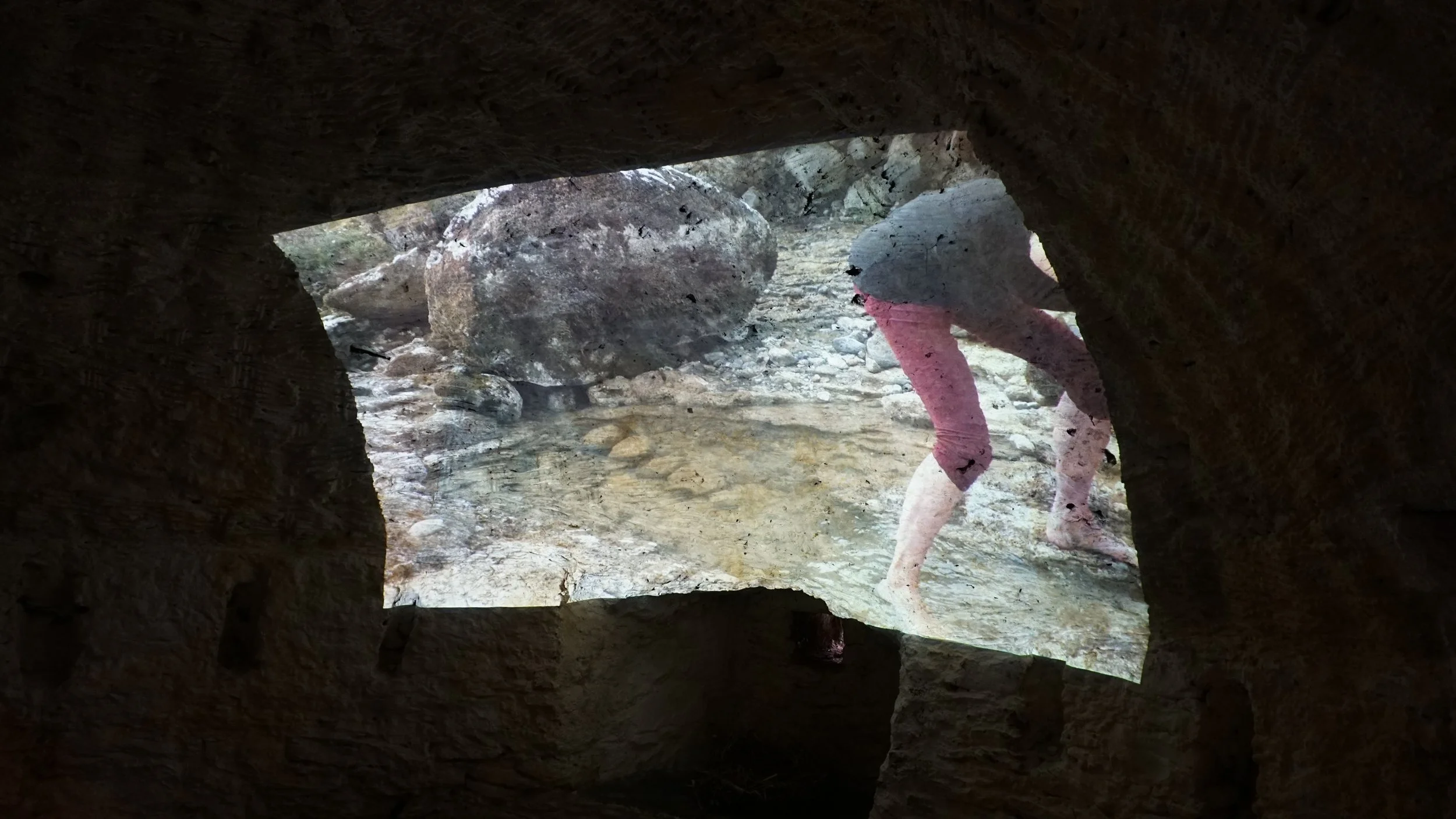
The Burren’s rich living tradition of music attuned our ears to the soundscapes around us. We recorded deep sonics of rubbing boulders, river rock rhythms next to naked feet slipping into water, and hands moving sand over North Atlantic black beach stone.
With our recordings of performances and soundscapes, we created sensually provocative works that have been exhibited in-person and virtually. Touch has been salient– especially given its absence during the global pandemic, and remnant social fallout. Like the life cycle embodied within the Sheelas, we wanted the act of touching to evoke both grief, as we navigate the 6th Mass Extinction, and also aliveness. Sonically and visually, aesthetics of touch sensually recognized entanglements among control, capitalism and colonization as well as life-giving entities.
(re)member of water








(re)member of water
exhibition, la Galerie du Nouvel-Ontario (GNO), Sudbury, Ontario. 2015
-
(re)member of water
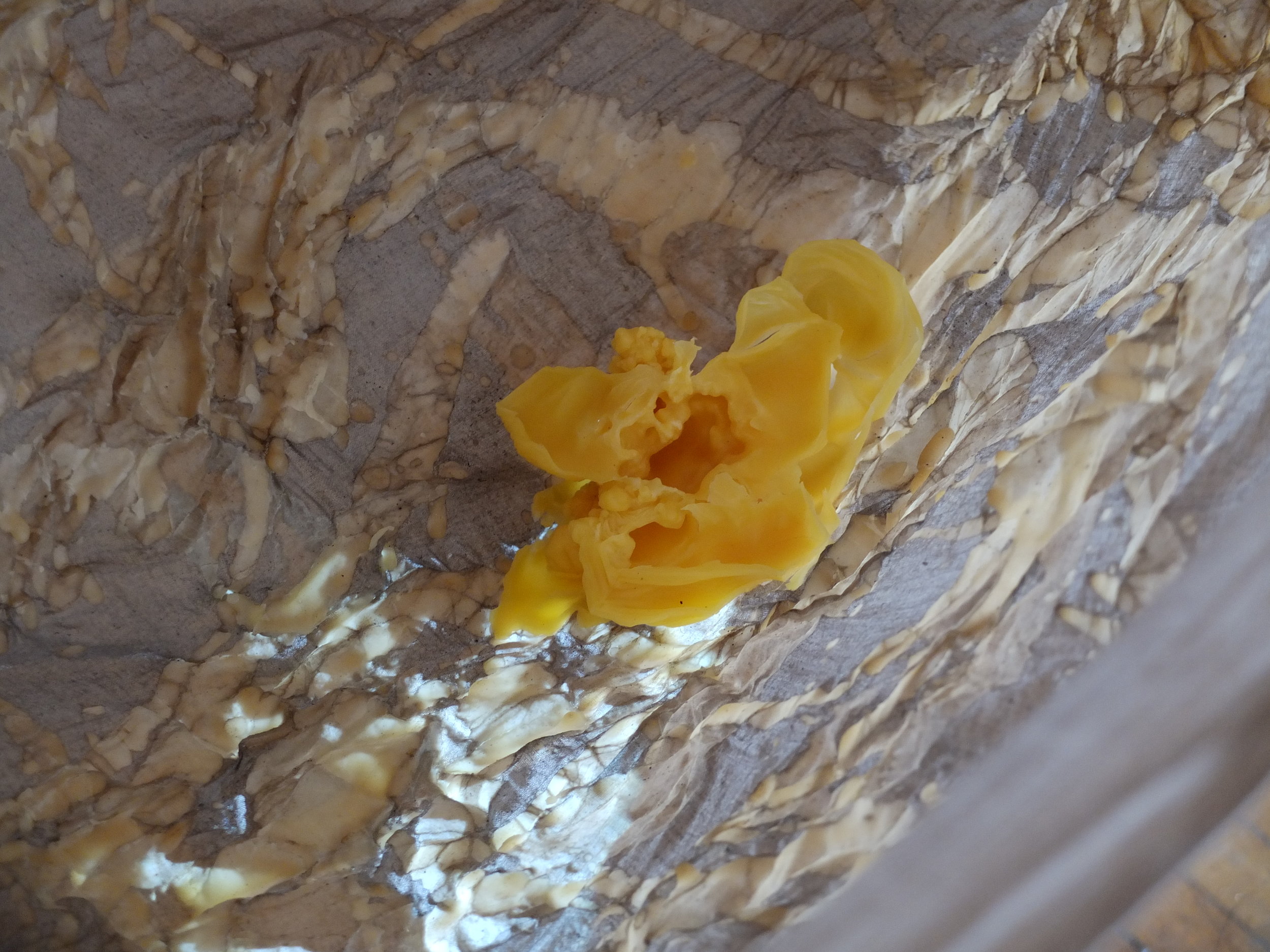
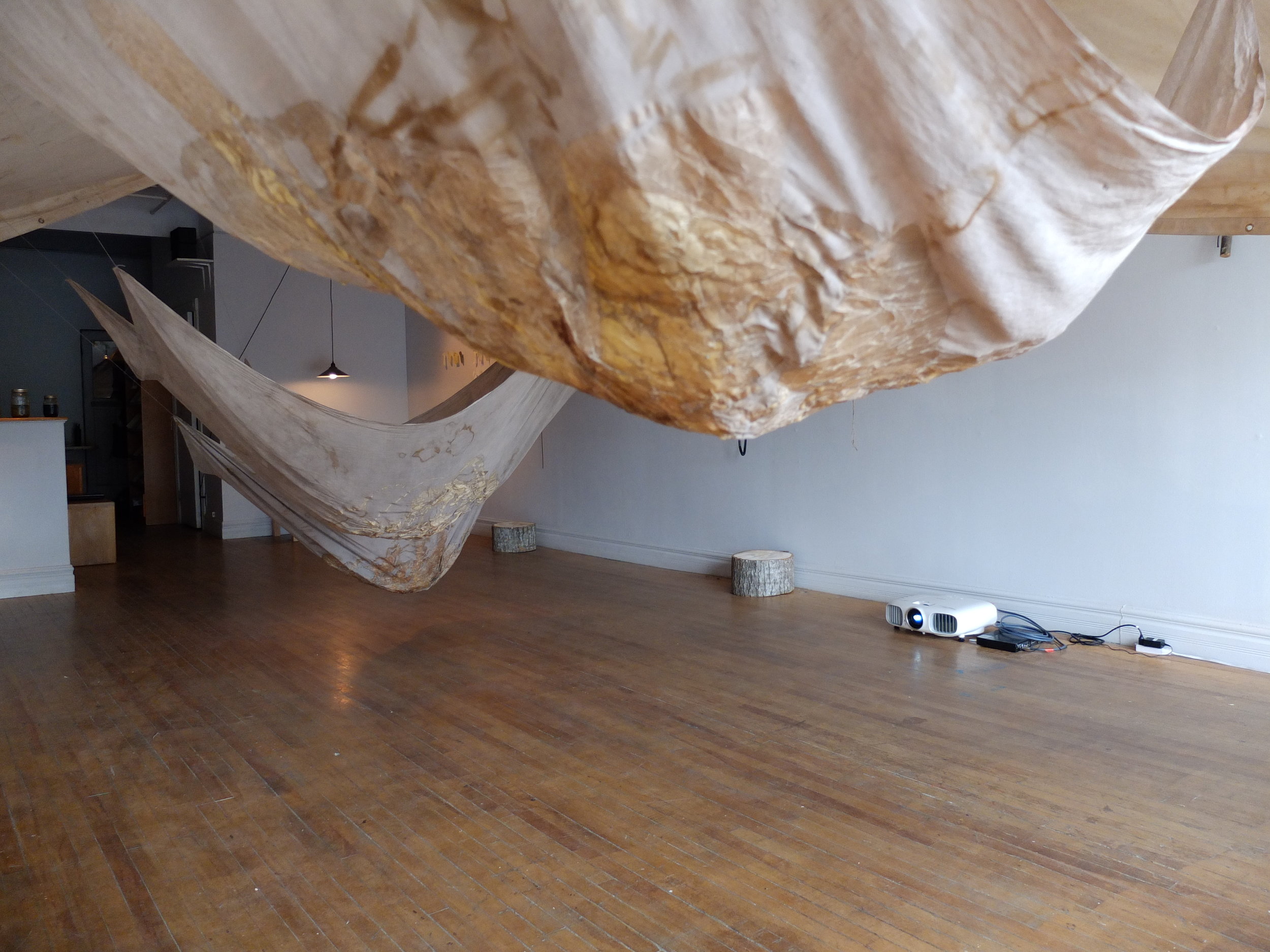
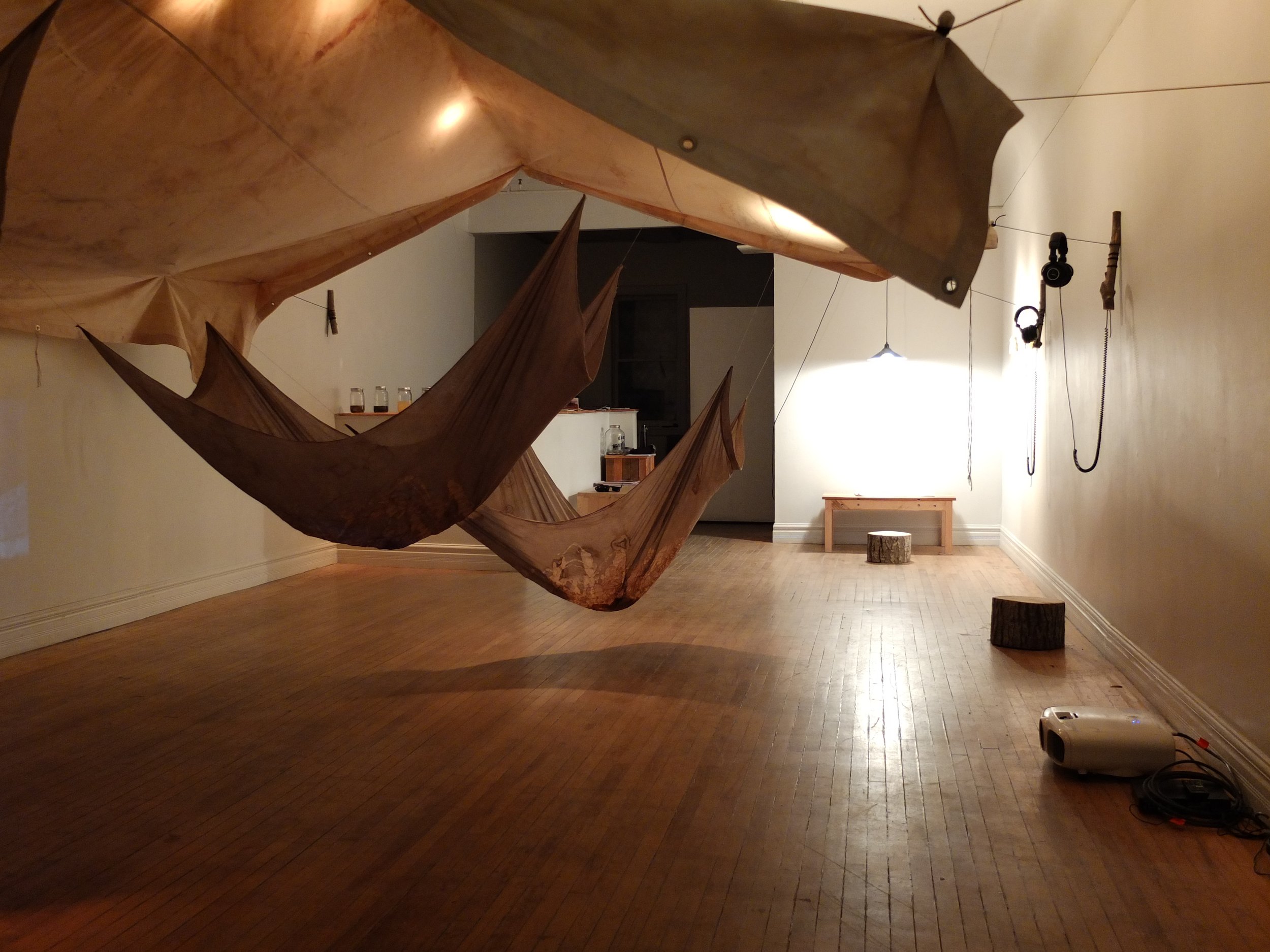
In Sudbury, ee portal experienced the Junction creek, zig-zagging across the city, and flowing beneath the gallery. Here, textiles and video evoked the waterway made invisible by urban planning.
A video of Junction creek, included: walking in the water, witnessing the environment, observing walls constructed to contain and control, and documenting the foreboding depths and darkness of the concrete culvert entrance.
Multiple soundscapes of the creek were played through a series of headphones hung by branches on the gallery wall.
A hand printed and drawn book compiling research of the Junction creek watershed was placed on a bespoke cherry and maple desk.
Based on interests in painting, yet desires to leave acrylic paints behind (not only energy-intensive to produce, water-based acrylics contaminate watersheds with synthetic biocides, emulsifiers and pigments), ee portal collected watershed plants to experience the local colour palette. At night, a textile dyed with black walnut was illuminated by solar energy gathered in house.
La Galerie du Nouvel-Ontario (GNO), Sudbury, Ontario
Atikameksheng Anishnawbek territory
2015
5 degrees walnut cabinets
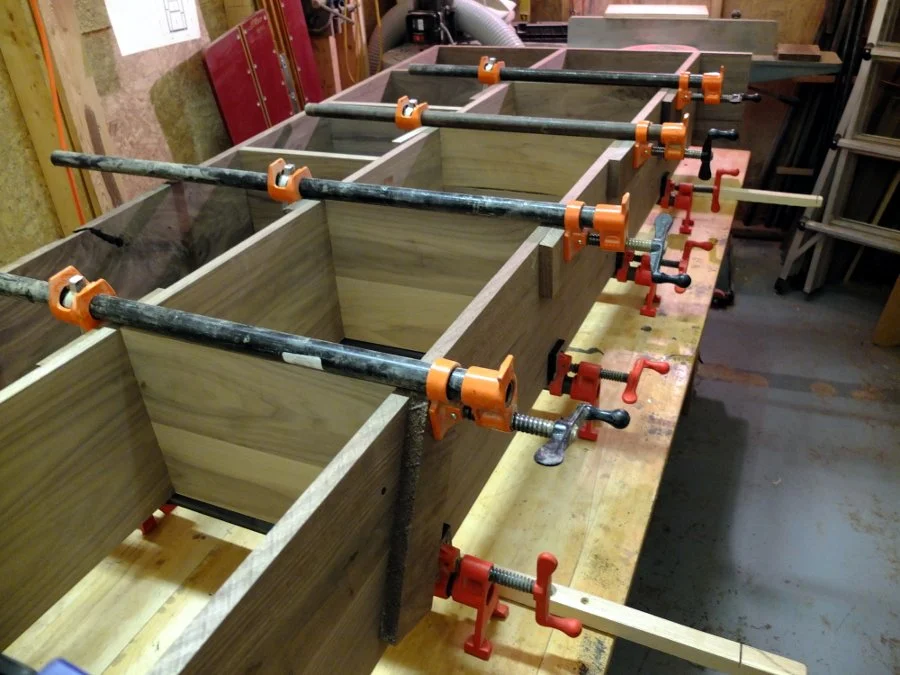
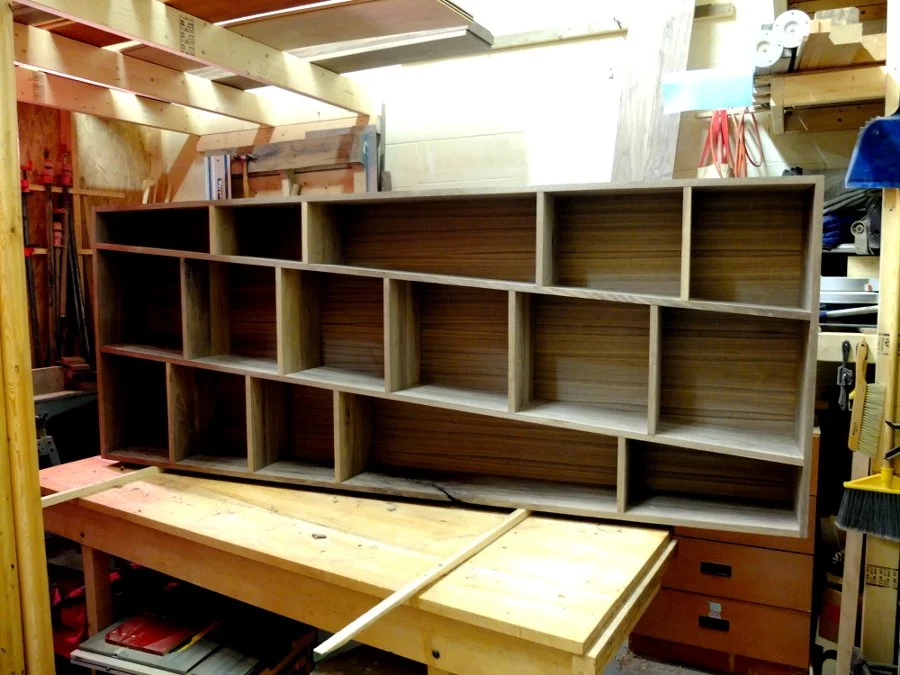
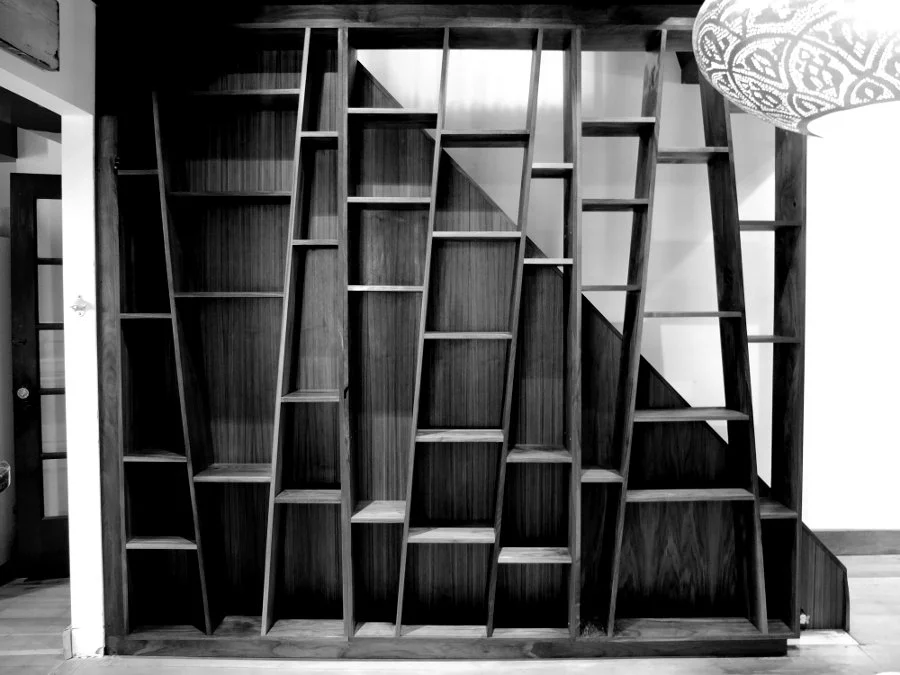
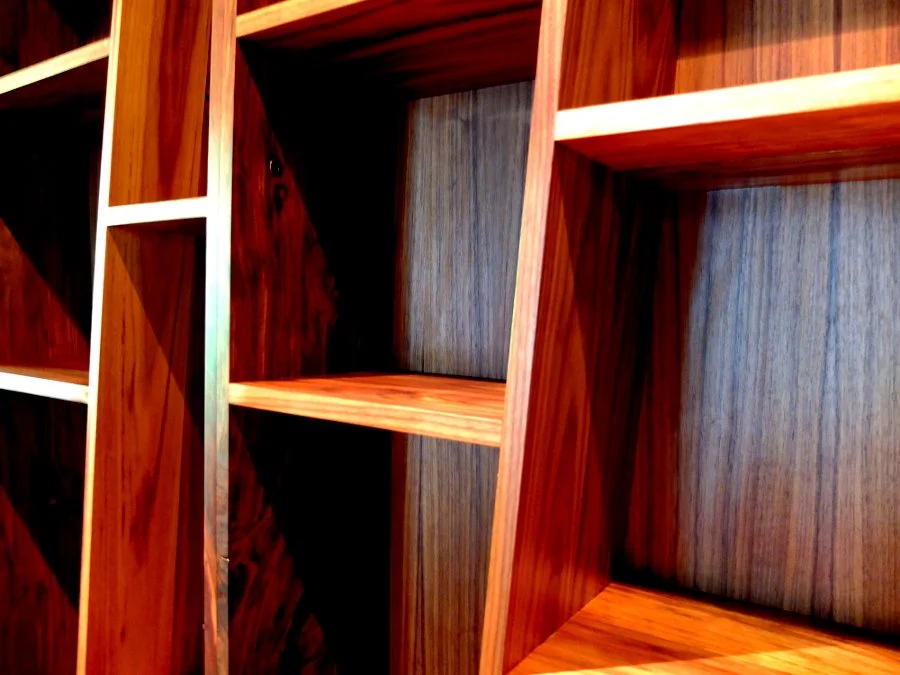
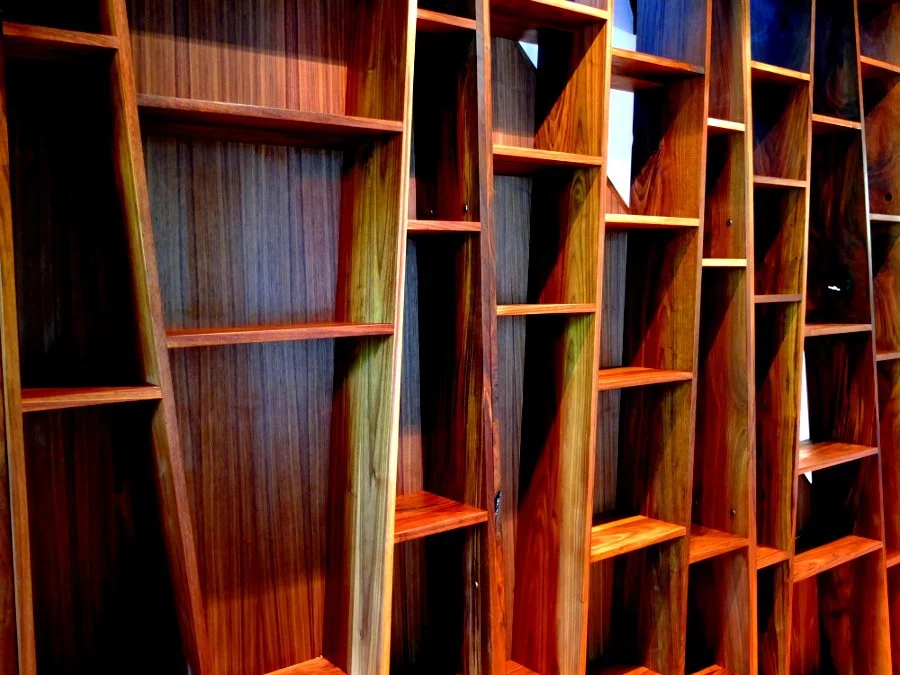
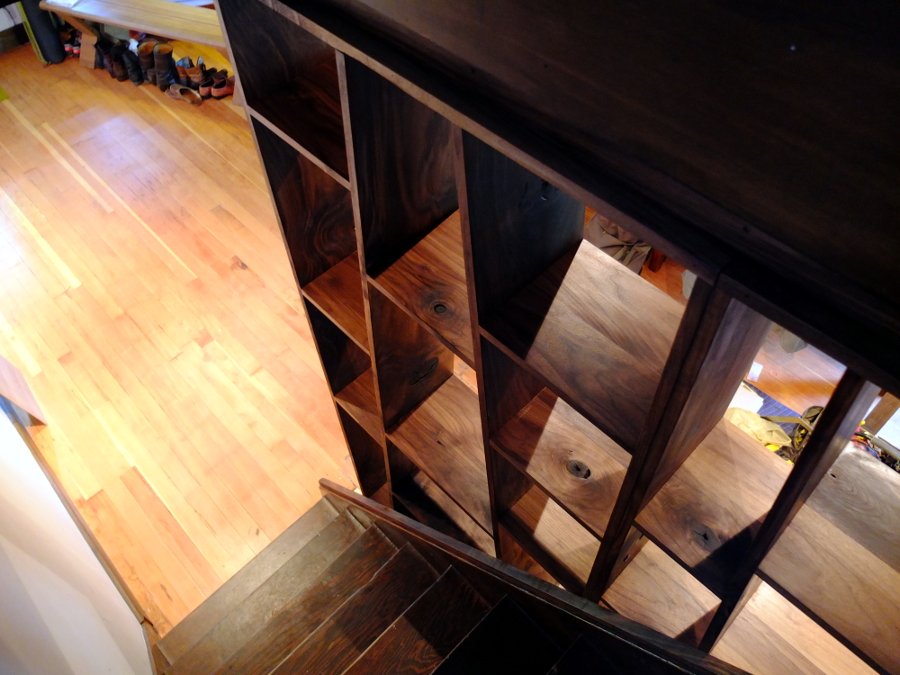
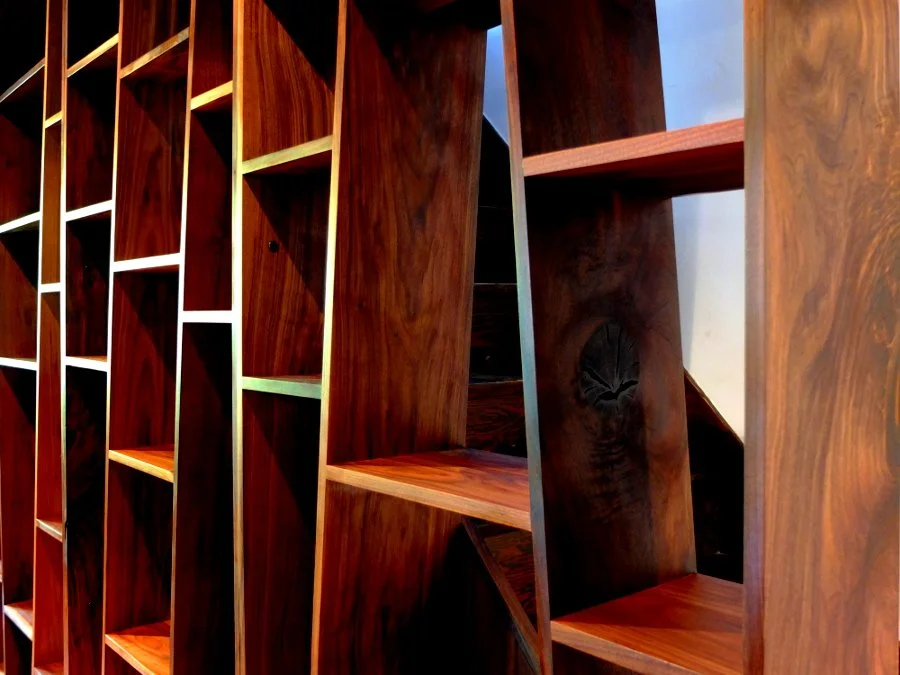
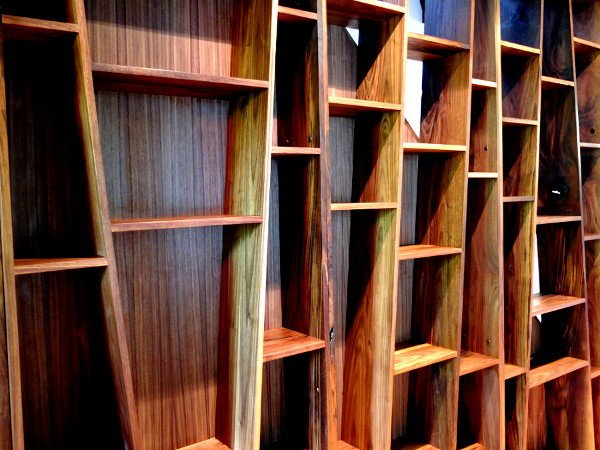
5 degrees walnut cabinets. 2013.
-
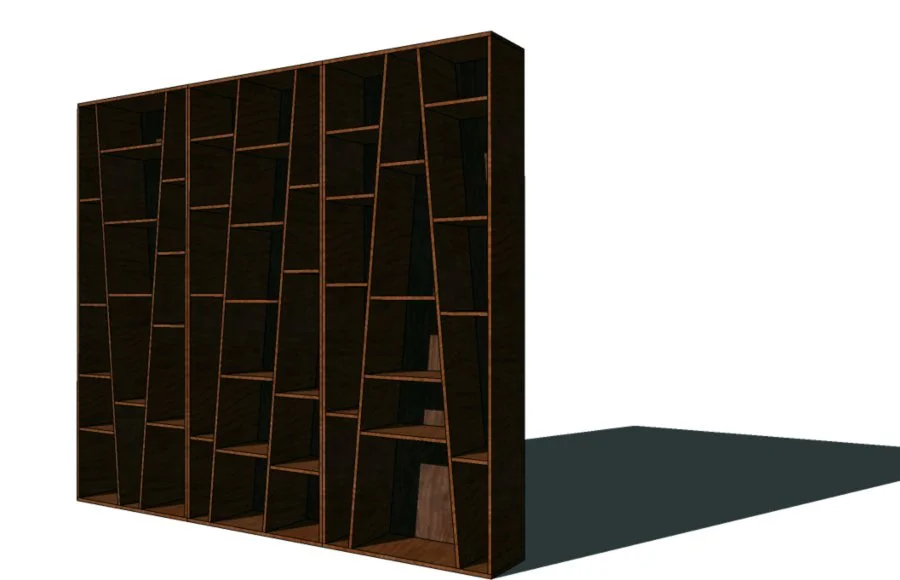
An individual, with a very sharp eye for details, approached me with a sketch for a wall concept that he wanted custom made.
After spending some time refining the design, the angle of 5 degrees emerged as a guiding principle.
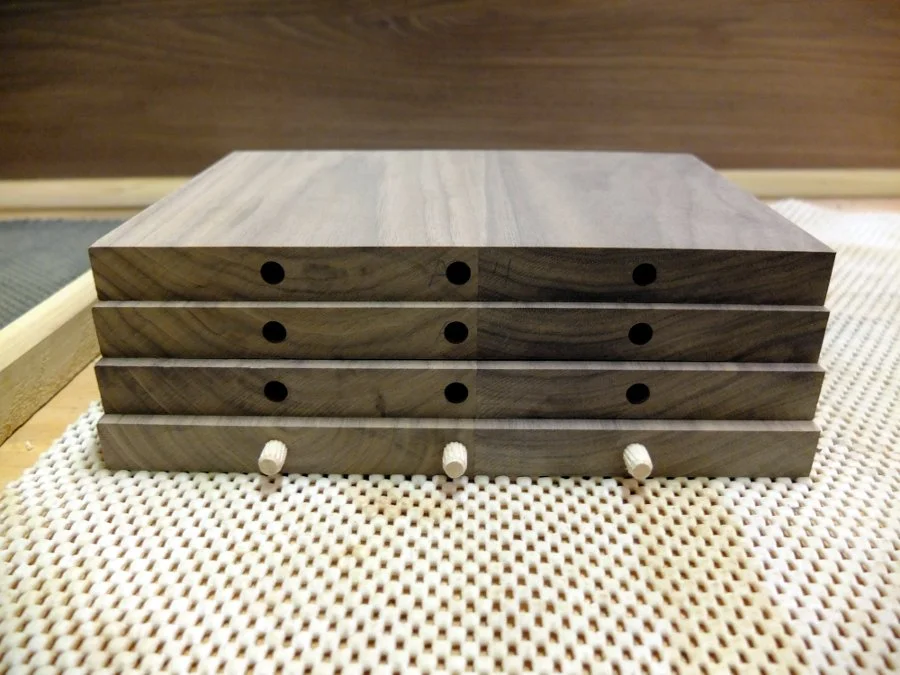
Special custom jigs were constructed for drilling at 5 degrees - all shelves have been doweled.
The assembly of these cabinets was very demanding.
design, fabrication & installion
emilio portal / portal studio
materials
Juglans nigra (Black Walnut)
dimensions
99"w x 10"d x 96"h
2013